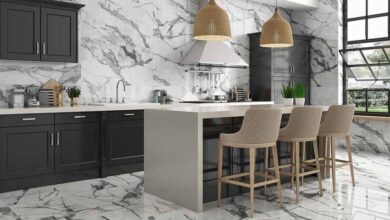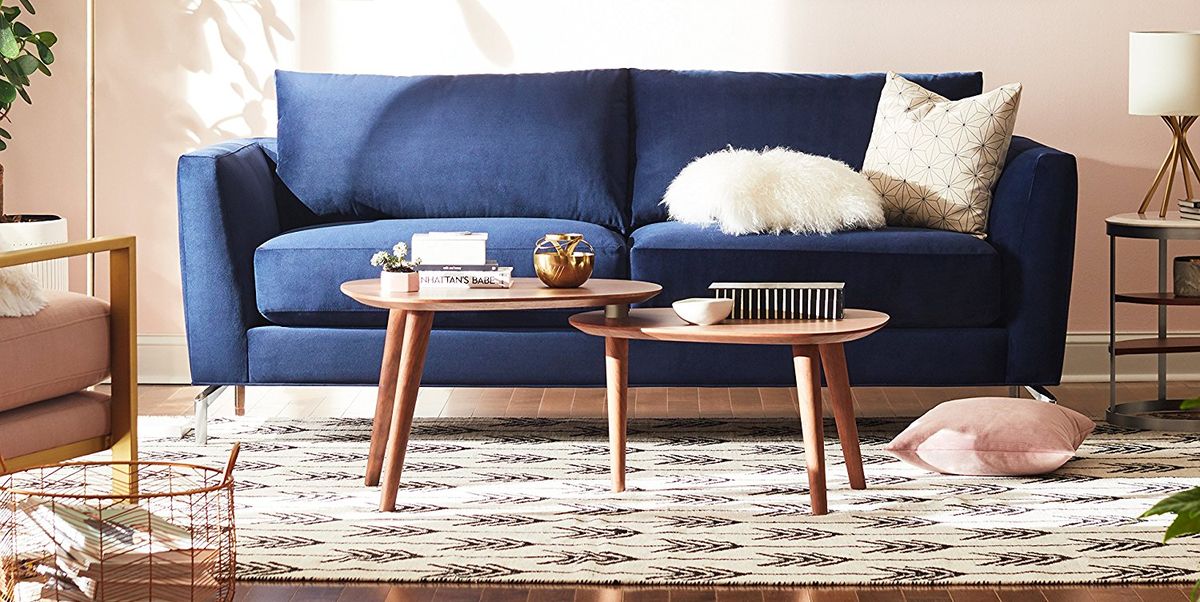
Choosing furniture for a new private house requires discipline, not excitement. The space is empty, the walls are clean, and the temptation to fill every corner arrives quickly. Many homeowners rush the process and later discover that proportions feel wrong, storage is insufficient, or materials do not age well. A house is a long-term asset. Its furniture should support daily life for years, not just look appealing during the first month.
This guide approaches furniture selection as a structured decision process. It begins with the house itself, then moves to lifestyle needs, core pieces, materials, balance, comfort, and budgeting strategy. The goal is to help you choose pieces that work in real life, not just in a showroom.
Table of Contents
1. Start With the House, Not the Store
Begin by studying the structure of the house before browsing catalogs. Architecture dictates proportion, light, circulation, and acoustics. Furniture must respond to these conditions.
Ceiling height determines vertical scale. In a house with three-meter ceilings, low-profile sofas can look compressed and out of place. Taller bookcases or cabinets may create better balance. In homes with standard ceilings, overly tall wardrobes or shelving units can dominate and make rooms feel tight. Measure wall height carefully and consider how much vertical presence each piece will carry.
Window placement and natural light influence fabric and finish selection. Direct sunlight fades certain textiles and darkens wood unevenly. South-facing rooms receive intense daylight and require UV-resistant fabrics or lighter woods that show less contrast when aging. North-facing rooms benefit from warmer finishes and materials that add visual warmth.


Flooring also affects furniture decisions. Hardwood floors require felt pads and stable legs to prevent scratching. Polished concrete or stone floors reflect sound, so upholstered pieces and rugs become important for acoustic balance. Tile floors may feel colder underfoot, which makes large rugs and textured materials more relevant.
Traffic flow deserves close attention. Walk through each room and identify natural movement paths from door to door. Leave at least 80 to 100 centimeters of clearance in main pathways. Avoid placing large pieces where they interrupt circulation. Good layout decisions reduce frustration over time.
Built-in elements such as fireplaces, kitchen islands, staircases, and window seats already define focal points. Furniture should complement these anchors, not compete with them. For example, a dominant sectional sofa placed parallel to a fireplace may block sightlines and feel heavy. Instead, arrange seating to respect the architecture.
Starting with the house prevents mismatched proportions and layout problems later.
2. Define How You Actually Live
Furniture should reflect daily habits, not idealized versions of them. Clarify how the household functions before selecting pieces.
Consider household size and routine. A couple who works long hours may prioritize a comfortable sofa and a quality bed over a large dining table. A family with children may require durable surfaces, ample storage, and stain-resistant fabrics. A homeowner who frequently hosts gatherings will need expandable dining solutions and additional seating.
Work-from-home requirements influence design significantly. If remote work is permanent, invest in a dedicated desk, ergonomic chair, and proper lighting. Avoid using dining tables as long-term workstations. A separate office, even a small one, improves focus and prevents work materials from spreading into living areas.
Hosting habits also matter. Some homeowners host formal dinners, while others prefer casual evenings. If you host often, choose a dining table with extension capability and stackable or easily movable chairs. If gatherings are rare, a smaller fixed table may suit the space better.
Storage habits differ widely. Minimalists require fewer closed cabinets, while collectors need thoughtful storage planning. Evaluate how much you own before purchasing sideboards, wardrobes, or shelving. Avoid buying decorative storage that does not meet actual capacity needs.
Future plans influence long-term value. If children are expected, consider durable materials now. If aging parents may move in later, think about accessible seating heights and stable furniture frames.
Define your lifestyle honestly. Furniture that matches real habits reduces regret.
3. Choose Anchor Pieces First
Anchor pieces determine the tone, scale, and layout of each room. Select these first before adding smaller decorative items.
The sofa is usually the primary anchor in the living area. Pay attention to seat depth, back height, frame construction, and cushion density. Solid hardwood frames last longer than particle board structures. High-density foam maintains shape better than low-density alternatives. Test the sofa by sitting upright and leaning back. Your feet should rest comfortably on the floor without pressure behind the knees.
Dining tables anchor eating and gathering spaces. Solid wood tables provide durability and can be refinished. Veneered tables cost less but may show wear at edges over time. Consider extension mechanisms if space allows. Ensure that when fully extended, there remains adequate clearance around the table.
Beds anchor bedrooms both visually and physically. Focus on mattress quality first, then choose a frame that supports it properly. Slatted bases must be sturdy and evenly spaced. Upholstered headboards add softness but require maintenance. Wooden frames provide longevity with less upkeep.
Wardrobes and storage units require accurate measurements. Leave room for door swing or sliding tracks. Consider internal layout, including shelves, hanging rails, and drawers. Storage should support daily routines without forcing clutter into visible areas.
Desks and work tables need stable surfaces and correct height. Standard desk height is around 72 to 75 centimeters, but adjust based on body size. Cable management features prevent visual clutter.
Once anchor pieces are selected, smaller items can align around them in proportion and style.
4. Evaluate Materials With a Long-Term View
Material choice affects durability, maintenance, and aging. Avoid focusing only on appearance.
Solid wood furniture offers longevity and can be repaired. Hardwoods such as oak, walnut, and ash resist wear better than softer woods like pine. Engineered wood products vary in quality. Plywood with solid veneer performs better than particle board. Examine edges and underside finishes to assess construction quality.
Upholstery fabrics differ in abrasion resistance. Look for Martindale or double rub ratings if available. High-traffic areas require higher durability scores. Cotton blends provide comfort but may stain easily. Synthetic blends often resist wear and fading better. If pets or children are present, choose fabrics labeled as stain-resistant or washable.
Leather quality varies widely. Full-grain leather develops character over time and can last decades with maintenance. Corrected or bonded leather costs less but may peel or crack. Ask about tanning processes and care requirements before purchasing.
Metal frames add strength but check for welded joints and smooth finishes. Powder-coated surfaces resist chipping better than painted metal. For outdoor-adjacent spaces, choose corrosion-resistant materials.
Stone and glass surfaces create visual weight and require careful handling. Marble stains easily without sealing. Tempered glass offers safety advantages, especially for surfaces such as an Architectural Glass table top, which combines structural strength with a clean visual profile.
Consider climate as well. In humid regions, solid wood may expand or contract. In dry climates, certain materials can crack. Choose finishes appropriate to your environment.
Think beyond the first year. Long-term maintenance costs and repair potential matter.
5. Control Quantity and Scale
New homeowners often overfill spaces. Empty rooms can feel intimidating, but restraint creates balance.
Start by placing anchor pieces and evaluate negative space around them. Negative space allows light and movement to flow naturally. Avoid lining every wall with furniture. Leave sections open to create visual breathing room.
Match furniture scale to room dimensions. Large sectional sofas dominate small rooms and reduce flexibility. Tiny chairs in expansive living areas feel disconnected. Measure room width and length, then compare with furniture dimensions before purchasing.
Layering adds depth without overcrowding. Use rugs to define seating areas. Introduce side tables that complement, not compete. Lighting can change atmosphere without adding bulk.
Mixing old and new pieces adds character. A vintage wooden cabinet paired with a contemporary sofa can create balance. Avoid strict matching sets, which often appear heavy and repetitive.
Decorative elements should follow function. Place shelves where they serve storage or display needs. Add artwork after furniture placement to ensure proportion alignment.
Resist the urge to complete every room immediately. Live in the space for several weeks and identify real needs before adding more.
6. Prioritize Measured Comfort
Comfort must be tested and evaluated carefully. Do not rely solely on showroom impressions.
Seat height matters. Most sofas range from 40 to 45 centimeters in seat height. Taller individuals may prefer higher seating to ease standing up. Dining chairs should allow 25 to 30 centimeters between seat and tabletop underside.
Seat depth influences posture. Deep sofas encourage lounging but may strain shorter individuals. Measure your lower leg length and compare with seat depth.
Cushion density affects longevity. High-density foam maintains support longer but may feel firmer initially. Feather-filled cushions provide softness but require frequent reshaping.
Mattress firmness depends on body weight and sleeping position. Side sleepers often prefer medium firmness, while back sleepers may require firmer support. Test mattresses for at least ten minutes in a natural position.
Armrest height and width affect usability. Narrow armrests save space but limit comfort. Wide armrests provide support but require larger floor area.
Dining chairs should support the lower back. If chairs resemble restaurant chairs used in high-turnover venues, they may prioritize stackability over comfort. For a private house, choose chairs that balance support and durability for longer meals.
Evaluate comfort logically and physically, not emotionally.
7. Budget With Strategy
Allocate budget intentionally rather than evenly. Invest most in pieces used daily. Sofas, mattresses, and dining tables justify higher spending due to frequent use. Quality construction prevents replacement costs.
Mid-range spending often works for storage units and secondary seating. These pieces matter but may not require premium materials. bDecor items, side tables, and small accessories can remain budget-friendly. These are easier to replace or update.
Consider phased purchasing. Furnish essential areas first, such as bedroom and living room. Delay secondary rooms until needs become clear. Track delivery times and warranty terms. Extended warranties can add value for high-investment pieces. Check return policies before committing.
Avoid financing furniture impulsively. Interest payments increase total cost significantly. Plan purchases within available resources. A structured budget reduces regret and encourages thoughtful decisions.
Bringing It Together
Choosing furniture for a new private house requires analysis, measurement, and patience. Study the architecture first. Define how you live. Select anchor pieces with care. Evaluate materials realistically. Control scale and quantity. Test comfort thoroughly. Allocate budget strategically.
Furniture shapes daily routines. It supports rest, work, conversation, and gathering. When chosen with intention, it becomes part of the house’s long-term function rather than temporary decoration. Approach each purchase with clarity, and the house will develop balance over time.