Choosing a rug colour for your living room sounds simple at first, until you actually start looking.
There are hundreds of options. Neutrals, organic shades, muted patterns, deep colours, faded vintage looks, warm textures, cool greys, and everything in between. What seems like a quick styling decision can suddenly feel much harder when you are trying to picture how the rug will work with your sofa, flooring, walls, and the overall feel of the room.
The good news is that choosing the right rug colour does not have to be complicated.
In most living rooms, the best rug colour is not the one that stands out the most in a showroom. It is the one that helps the whole space feel balanced, comfortable, and easy to live in every day.
Table of Contents
Start with the mood you want in the room.
Before thinking about specific shades, it helps to ask one simple question: how do you want the living room to feel?


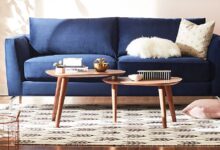
Some rooms are meant to feel calm and relaxed. Others are meant to feel warm and cosy. Some need a cleaner, more modern look, while others suit a softer, layered style.
The rug colour should support that mood.
If you want the room to feel light and open, softer tones usually work well. Think beige, cream, ivory, light grey, sand, or muted natural shades. These colours tend to make a room feel airy and settled.
If you want the room to feel warmer and more grounded, richer tones often do a better job. Taupe, brown, charcoal, olive, rust, or deeper beige can help a space feel more anchored and comfortable.
The key is to think of the rug as part of the room’s atmosphere, not just an item on the floor.
Look at your flooring first.
Floor colour has a major effect on rug choice than many people expect.
If your flooring is dark, a rug in a lighter or mid-tone shade can help create contrast and stop the room from feeling too heavy. If your flooring is very light, you have more flexibility. You can keep things soft with a rug in a similar colour family, or introduce a darker rug.
Hard floors usually work beautifully with warm neutrals, earthy colours, and natural textures. Grey-toned floors usually suit cooler neutrals, faded patterns, or soft layered tones. If you have tile or polished concrete, a rug can be especially helpful in bringing a contrast into the room.
You do not always need a dramatic contrast. Sometimes the best result comes from colours that sit comfortably together rather than compete with each other.
Think about your sofa and your biggest furniture pieces.
Your sofa usually takes up the most visual space in the living room, so your rug colour needs to work with it.
If your sofa is bold in colour, a quieter rug often helps create balance. If your sofa is plain, you can either keep the rug understated for a calm look or use it to bring in a little more personality.
The rug does not have to match the sofa exactly. In fact, exact matching can make the room feel flat. What you want is a sense that the colours belong together.
If you are comparing styles for your main seating area, browsing a wider range of living room rugs can make it easier to see which colour direction feels right for your space.
Decide if you want the rug to blend in or stand out.
This is one of the most useful decisions to make early.
Some rugs are meant to quietly support the room. Others are meant to become part of the visual focus.
If your living room already has patterned cushions, artwork, coloured furniture, or strong décor features, a rug that blends in usually works better. A soft, neutral, or subtle pattern can stop the room from feeling too busy.
If the space feels plain or unfinished, the rug can do more of the styling work. A deeper colour, faded traditional pattern, or more noticeable tonal contrast can help give the room character.
Neither option is better. It just depends on what the room already has.
A lot of people make the mistake of choosing a rug in isolation. It is better to think about what the room still needs. Sometimes it needs softness. Sometimes it needs interest. Sometimes it just needs balance.
Be realistic about everyday living.
Living room rugs are not only about looks. They are part of everyday life.
If the space gets a lot of use, very pale colours may need more care, especially in family homes with children or pets. That does not mean you should avoid lighter rugs completely, but it is worth thinking about how the room is actually used.
Mid-tones work better because they are practical without feeling dark. Soft taupes, warm greys, natural flecked tones, and layered earthy shades are often easier to live with than bright whites or very dark solid colours.
Texture also matters here. A rug with tonal variation or a mild pattern can be more forgiving than a completely flat single-colour rug.
This is one reason wool rugs are often such a good fit for living rooms. They bring softness and warmth, and they tend to suit both calm neutral palettes and richer, more layered interiors.
Use colour to change how the room feels.
Rug colour can influence how spacious or cosy a room feels.
Lighter colours tend to open a room up. They make the floor area feel softer and more expansive, which can be helpful in smaller living rooms or spaces that do not get much natural light.
Darker or warmer tones can cause a room to feel more intimate and grounded. They are often useful in larger living rooms that feel a little empty or disconnected.
If the room already feels busy, a calm rug colour can settle it down. If the room feels a bit lifeless, a rug with more depth or warmth might bring it back to life.
That is why there is no single best rug colour for every living room. The best choice depends on what your room needs more of.
Do not ignore the smaller colours in the room.
A good rug colour often connects to the quieter details in a room rather than the obvious ones.
Instead of trying to match the walls exactly, look at your cushions, curtains, timber tones, artwork, throws, and accent chairs. Sometimes pulling one of those smaller tones into the rug creates a more thoughtful result.
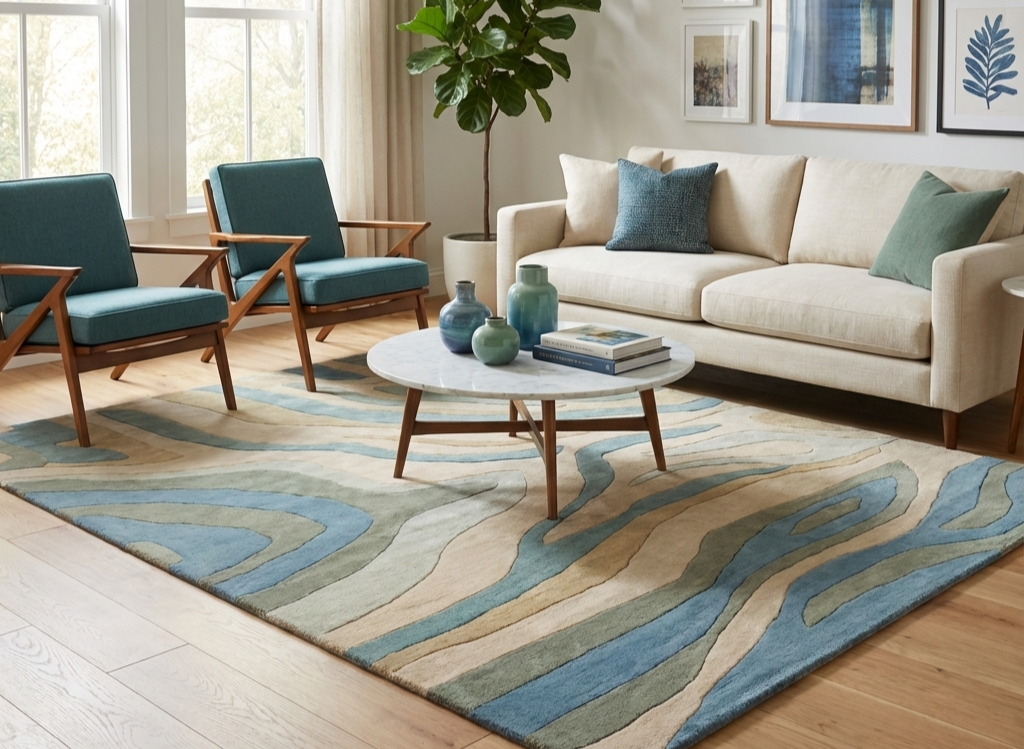
For example, a room with mostly neutral furniture might still have touches of olive, terracotta, black, or soft blue in the styling. Choosing a rug that gently picks up one of those tones can make the room feel more put-together without looking forced.
This usually feels more natural than trying to make everything identical.
When in doubt, go softer and forever
If you are really unsure, it is usually safer to choose a rug colour that feels forever rather than trendy.
Soft neutrals, earthy shades, faded patterns, and natural textures tend to be easier to live with for longer. They also give you more flexibility when you change cushions, wall colours, or furniture later on.
That does not mean the rug has to be boring. It just means it should feel like something you will still enjoy once the excitement of buying it has passed.
A good living room rug should still make sense in the space six months from now, not just on the day it arrives.
Final thoughts
Choosing a living room rug colour is really about reading the room well.
Look at the flooring, the sofa, the light, the mood of the space, and how the room is used every day. Then choose a colour that helps the room feel more complete.
Sometimes that means a pale neutral. Sometimes it means a richer earth tone. Sometimes it means a pale pattern that quietly ties everything together.
The best rug colour is usually not the loudest choice. It is the one that makes the whole living room feel easier, warmer, and more balanced.