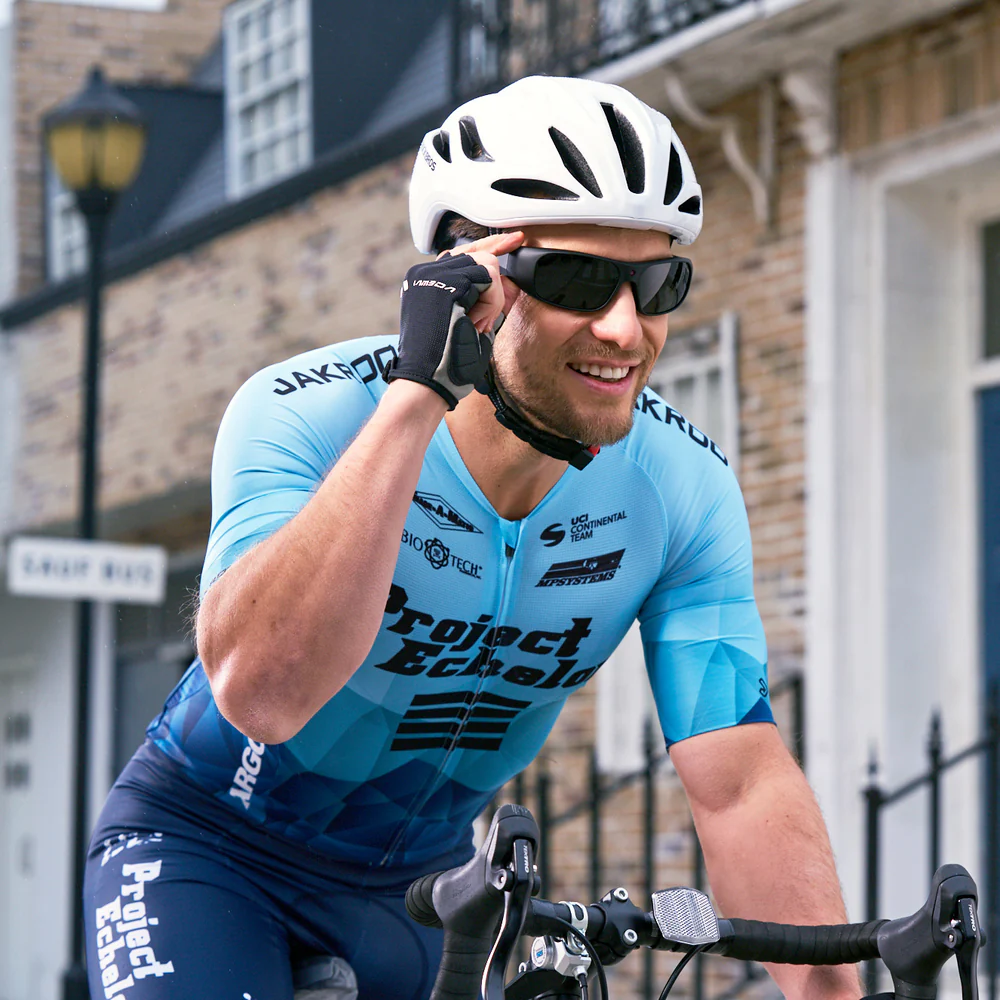
There’s nothing quite like the rush of wind against your face as you carve through mountain switchbacks or sprint along a coastal road at dawn. Every ride brings moments worth preserving—a golden sunrise cresting over a ridge, a peloton surging in unison, or that personal triumph at the top of a brutal climb. Yet reaching for a phone or fumbling with a separate action camera disrupts the very flow that makes cycling magical. This is where photochromic cycling glasses with integrated cameras enter the picture, merging adaptive eye protection with hands-free recording in a single wearable device.
Choosing the right pair, however, isn’t straightforward. You need lenses that transition seamlessly between blinding sunlight and shaded forest trails, a camera capable of capturing sharp, stable footage at speed, and a frame that looks good enough to wear off the bike. This guide is designed for tech enthusiasts who refuse to compromise—walking you through the critical features, comparisons, and selection steps to find the best photochromic cycling glasses with a built-in camera that deliver high-quality media and stylish functionality on every ride.
Table of Contents
Understanding Photochromic Cycling Glasses with Integrated Cameras
Photochromic technology relies on specialized molecules embedded within lens material that react to ultraviolet radiation. When you ride from a dim, tree-canopied path into direct midday sun, these molecules darken within seconds, reducing visible light transmission to protect your eyes. Move back into shade, and the lenses gradually clear again. For cyclists who encounter rapidly shifting conditions—tunnels, cloud cover, dappled forest light—this automatic adaptation eliminates the need to swap lenses mid-ride or squint through inappropriate tints.

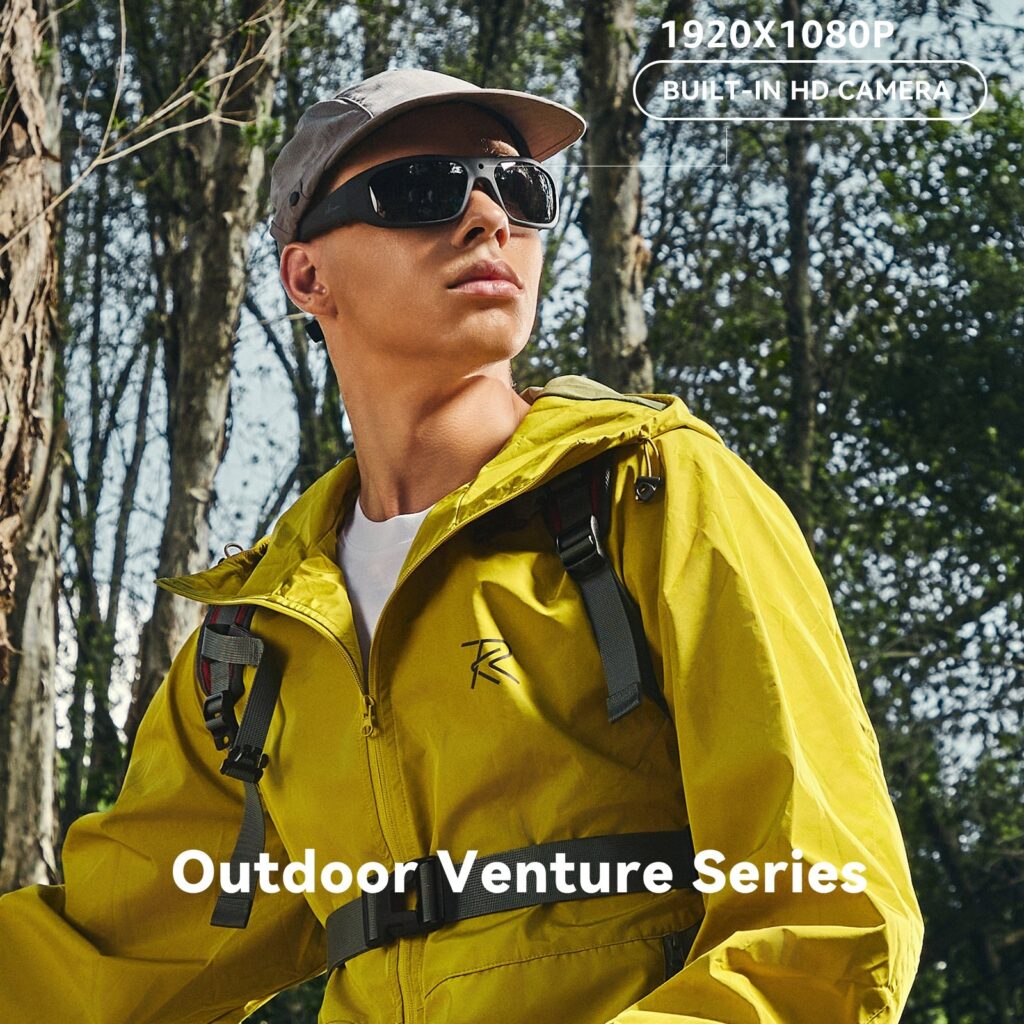
Adding a camera to this equation transforms a passive piece of protective gear into an active smart device. A tiny wide-angle lens mounted near the bridge or temple captures first-person footage continuously or on command, recording exactly what you see without requiring you to lift a hand from the bars. The result is immersive point-of-view content that chest or helmet mounts simply cannot replicate, because the perspective aligns naturally with your gaze and head movements.
For tech-savvy cyclists, the convergence is compelling. Rather than carrying separate gadgets—action camera, mount, photochromic sunglasses—you consolidate into one streamlined accessory. It means less weight, fewer distractions, and a cleaner aesthetic on the bike, all while generating shareable media that documents every ride from the most authentic vantage point possible.
Essential Features for High-Quality Capture and Stylish Design
Camera Technology: From HD to Smart Capabilities
The camera module embedded in your cycling glasses determines whether you end up with cinematic ride footage or blurry, unwatchable clips. At minimum, look for full HD 1080p resolution at 30 frames per second—this baseline ensures crisp detail when reviewing footage on a laptop or sharing to social platforms. More advanced HD camera eyewear pushes into 2K or even 4K territory with 60fps capture, delivering buttery-smooth slow-motion replays of descents and sprint finishes. Electronic image stabilization is non-negotiable for cycling; road vibrations and head movements create jittery footage without it. Some smart camera glasses go further, incorporating AI-driven features like automatic highlight detection, voice-activated recording, or live streaming directly to social media through a paired smartphone. These intelligent capabilities transform the glasses from a simple recording device into a connected content creation tool that works while you focus entirely on the road ahead.
Design and Ergonomics for Cyclists
A camera-equipped frame means nothing if it bounces on your nose bridge during a gravel descent or causes pressure headaches after an hour. Prioritize lightweight construction—ideally under 50 grams—using materials like TR-90 nylon or titanium-reinforced polymers that flex without snapping. Adjustable nose pads and temple tips made from hydrophilic rubber grip tighter as you sweat, preventing slippage at speed. The frame profile should sit flush against a helmet without interference, and ventilation channels above the lenses help prevent fogging during climbs. Bluetooth glasses add another ergonomic layer, enabling wireless audio cues for navigation or ride data, touch-sensitive temple controls for starting recordings, and seamless phone pairing—all without cluttering your cockpit with extra devices. Aesthetically, the best options disguise their tech convincingly; sleek temple arms conceal batteries and circuitry, making the glasses look like premium sport eyewear rather than a gadget prototype.
Comparing Keywords: Smart Camera Glasses vs. Polarized and Other Options
When shopping for cycling eyewear with recording capabilities, you’ll encounter distinct product categories that serve different purposes. Traditional polarized cycling glasses excel at cutting horizontal glare from wet roads, car hoods, and water surfaces. They provide consistent, fixed-tint protection that many road cyclists swear by for bright, unchanging conditions. However, they lack adaptability—ride into a tunnel or under heavy cloud cover, and you’re suddenly peering through an overly dark lens with no way to adjust short of swapping to a clear pair.
Smart camera glasses occupy a fundamentally different space. These devices prioritize connectivity and content creation, bundling video recording, Bluetooth audio, voice commands, and sometimes even heads-up display elements into a wearable frame. The trade-off historically has been optical quality; early models treated lenses as an afterthought, offering basic UV protection without the nuanced light management serious cyclists demand. Photochromic smart camera glasses bridge this gap by pairing adaptive lens chemistry with integrated recording hardware, giving riders both intelligent light response and hands-free capture in one package.
So when does each option make the most sense? If you ride exclusively in stable, bright environments and never feel the urge to document your efforts, polarized glasses remain a solid, lightweight choice. But if your routes cross varied terrain and lighting, and you want ride footage without extra gear, photochromic models with embedded cameras deliver far more versatility. HD camera eyewear specifically targets riders who prioritize footage sharpness—look for this designation when video quality matters more than supplementary smart features like live streaming or AI scene tagging. Ultimately, the best choice depends on whether you value optical simplicity or connected, adaptive functionality.
Step-by-Step Guide to Selecting the Best Pair
Finding the ideal photochromic cycling glasses with an integrated camera becomes manageable when you break the decision into deliberate steps rather than comparing dozens of specs simultaneously.
Start by identifying your primary use case. Are you a content creator who needs continuous ride footage for YouTube edits, or do you simply want to snap occasional photos of scenic routes? Riders focused on long-form video need generous storage capacity and extended battery life, while casual documentarians can prioritize compact form factor over recording endurance. Your answer here narrows the field immediately, eliminating models that over-deliver or under-serve your actual habits.
Next, evaluate photochromic lens performance specifically across the conditions you ride in most. If your routes involve frequent transitions—think mixed urban and forest terrain—look for lenses with a broad Variable Light Transmission range, ideally shifting from category 0 in low light to category 3 in bright sun within 15 to 20 seconds. Test reports and rider reviews reveal real-world transition speed far better than manufacturer claims alone.
Third, assess camera features with a critical eye. Resolution matters, but so does the sensor’s performance in mixed lighting. A 1080p camera with strong dynamic range often produces more usable cycling footage than a 4K sensor that blows out highlights on sunny roads. Check whether the glasses offer loop recording, timestamped clips, or easy file export to editing apps—workflow convenience saves hours after the ride.
Fourth, check for supplementary technology that genuinely enhances your experience. Bluetooth glasses with bone-conduction audio or open-ear speakers let you hear navigation prompts and incoming calls without blocking traffic sounds—a meaningful safety benefit. Touch or voice controls for starting and stopping recordings keep your hands planted on the bars where they belong. Dismiss features that sound impressive in marketing but add complexity you won’t use.
Finally, weigh design, fit, and budget together as a single decision. Try frames with your helmet to confirm compatibility, verify that the weight distribution doesn’t create pressure points over multi-hour rides, and set a realistic spending ceiling. The most feature-rich glasses mean nothing if they sit in a drawer because they pinch your temples or look awkward. Choose the pair that balances technical capability with all-day wearability at a price point you can commit to without regret.
Addressing Tech Enthusiasts’ Needs: Solutions for Quality and Style
For riders who demand broadcast-worthy footage, the path forward is clear: seek out glasses equipped with sensors offering high megapixel counts paired with electronic image stabilization that compensates for road chatter and sudden head turns. A wide dynamic range sensor handles the harsh contrast between sunlit asphalt and shadowed underpasses far better than basic modules, preserving detail in both highlights and shadows without post-processing gymnastics. Look for models that shoot in formats compatible with popular editing suites, so your workflow from ride to published content stays frictionless.
On the style front, several manufacturers now collaborate with eyewear designers to ensure their smart camera glasses look intentional rather than experimental. Brands like ohosunshine treat aesthetics as a core engineering constraint, offering frames with hidden hinge mechanisms, flush-mounted lenses, and subtle temple profiles that pass as high-end sport sunglasses in any café or group ride. The key is finding options where design and technology feel equally prioritized rather than one bolted onto the other as an afterthought. To balance advanced features with everyday usability, disable functions you rarely use—streaming, continuous loop recording—to extend battery life and simplify controls. Configure quick-access gestures for your two or three most common actions, and keep firmware updated to benefit from performance optimizations. This disciplined approach ensures your glasses remain a seamless extension of your ride rather than a distraction demanding constant attention.
Finding Your Perfect Photochromic Camera Glasses for Every Ride
The right pair of photochromic cycling glasses with an integrated camera collapses multiple pieces of gear into one elegant solution—adaptive lenses that respond intelligently to shifting light, a capable recording system that captures your rides from the most natural perspective, and a frame designed to disappear on your face for hours at a time. These aren’t competing priorities; the best products on the market today prove they can coexist without meaningful compromise.
As you narrow your options, return to the criteria that matter most for your specific riding life. Prioritize lens transition speed and range if your routes demand constant optical adaptation. Weight camera quality against your actual content goals rather than chasing specs you’ll never fully exploit. Insist on comfort and helmet compatibility as non-negotiable baselines, and let Bluetooth connectivity or smart features earn their place only when they genuinely serve your workflow. By approaching the decision methodically—matching real needs to proven capabilities—you’ll invest in a pair that enhances every ride rather than complicating it. The road ahead is worth seeing clearly and worth remembering vividly; the right glasses ensure you do both.
-

-
-
-

-
-