Table of Contents
Section 1: The first hour feels like chaos, because it kind of is
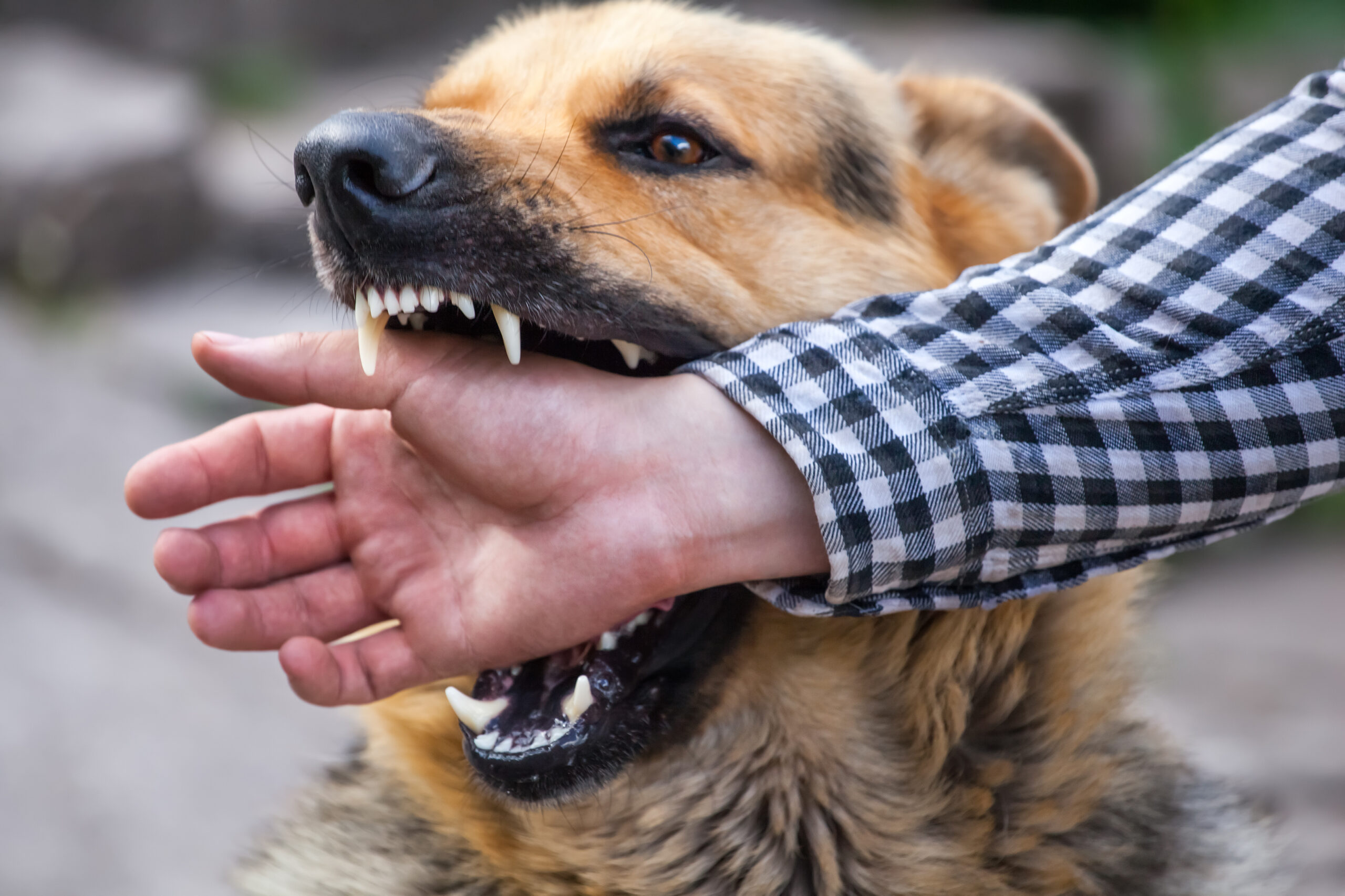
Dog bites hit different than most injuries. There’s the pain, sure. But also the weird disbelief. One second it’s a normal sidewalk in Fort Lee or a quick stop at a neighbor’s place, and the next there’s blood and someone shouting for paper towels. Kids crying. Adults trying to act calm while clearly not calm.
The early choices matter more than people realize. Not because anyone’s trying to be dramatic, but because dog bite claims are built on details that fade fast.
Start with the basics. Get medical care. Even small punctures can turn into infections that get ugly quickly. And if it’s a kid, especially, bites to the face or hands aren’t “wait and see” situations. Those areas scar easier, and function matters. Hands are complicated. Faces are, well… faces.
Then, identify the dog and the owner if possible. A surprising number of bites involve dogs that “never did that before.” That phrase shows up constantly. It can even be true. But it doesn’t erase what happened.
Photos help. Not museum-quality. Just clear shots of the injuries, the location, torn clothes, blood on a sleeve, a snapped leash, a gate that doesn’t latch. Stuff that tells the story when everyone’s memory gets fuzzy.



And yes, report it. Many towns in Bergen County have animal control procedures for a reason. It creates a record. Records create clarity. Clarity reduces arguing later.
Section 2: New Jersey’s rules are blunt, and that can be a good thing
New Jersey is known for being relatively straightforward on dog bite responsibility compared to a lot of states. People expect a long debate about whether the dog was “vicious” or whether the owner had warning signs. Sometimes that still comes up, but the core idea is simpler: if a dog bites, the owner can be on the hook, especially when the person bitten was in a lawful place.
Of course, real life is never perfectly tidy. A bite might happen at a friend’s barbecue where someone says, “You shouldn’t have reached over the fence.” Or on an apartment property where the dog bolted through a door. Or during a delivery. Or in a hallway in a building off Main Street where everyone knows the dog and nobody wants drama.
That’s where the conversation usually turns to behavior and circumstances. Was the person bitten trespassing? Were they provoking the dog? Did they ignore warnings? Did the owner control the dog properly? Was there a leash? Was a gate broken? Did the dog escape? You can feel the case taking shape around those questions.
And because Fort Lee is dense, with condos, walk-ups, parks, and constant foot traffic, bite scenarios can involve shared spaces. Lobbies. Elevators. Parking decks. Sidewalk pinch points. A dog that’s “fine” on a quiet street can become reactive when an elevator door opens and a stroller rolls out. Anyone who’s lived there long enough has seen something like that. Tension. Noise. Tight space. Then snap.
If the bite happened in or around Fort Lee, it’s common to see people look for guidance that’s location-specific, not generic internet advice. That’s why something like a New Jersey dog bite attorney is often brought into the mix early, before the details evaporate and before an insurance adjuster starts shaping the narrative.
Section 3: The hidden damage people forget to count
Dog bites aren’t just stitches and a bandage.
There’s infection risk, and it’s not theoretical. Puncture wounds can drive bacteria deep. Sometimes people end up back in urgent care days later because redness spreads or fever spikes. Then come antibiotics, follow-ups, and sometimes specialist visits.
Scarring is another huge piece. Even “small” bites can scar if they’re jagged, deep, or on high-movement skin. Kids grow, scars stretch. Adults have jobs that involve face-to-face work. A visible scar isn’t just cosmetic. It changes how people interact, how they feel, what they avoid.
Nerve damage shows up too. Fingers can go numb. A forearm can lose sensation. That can be permanent. And hand injuries can affect grip strength and fine motor skills. You don’t notice how much you rely on your thumb until it hurts to button a shirt.
Then there’s the mental side. Some people bounce back. Others don’t. Sleep issues. Anxiety around dogs. Parents who suddenly scan every sidewalk for unleashed animals. A kid who loved animals becomes fearful. It’s real, and it can be part of the harm.
Section 4: Insurance isn’t a friend, it’s a system
A lot of dog bite claims run through homeowners insurance or renters insurance. That sounds simple. It isn’t always.
Insurers may ask for recorded statements. They may request medical authorizations that are way broader than needed. They may push quick settlements before the injury trajectory is clear. That’s especially risky when scars and nerve issues are still developing.
Also, some policies have breed exclusions or dispute coverage in certain situations. Some owners don’t have coverage at all. Some incidents happen on someone else’s property, creating questions about which policy applies.
And if the dog belongs to a family friend, things get emotionally messy. People don’t want to “sue.” But the medical bills still show up. It helps to remember that the process often targets an insurance policy, not someone’s savings account. Still, relationships can strain. No one loves this part.
Section 5: Common Fort Lee scenarios that turn into disputes
A few patterns show up again and again in this area:
- Elevator bites in condo buildings: tight quarters, sudden movement, dog feels cornered.
- Leash tangles on sidewalks: crowded blocks, outdoor dining, scooters, strollers.
- Lobby escapes: doors swing open, dog bolts, someone gets grabbed trying to help.
- Kids at gatherings: a dog tolerates adults, then reacts to a child’s unpredictable movement.
- Multi-dog households: pack energy, one dog bites, owner insists “it was the other one.”
In almost every disputed case, the argument becomes a story battle. What was happening right before the bite? Who saw it? What did the dog do? What did the person do? What did the owner do? The earlier those questions get answered with real documentation, the better.
Section 6: How to think about “fault” without spiraling
People love to argue “fault” like it’s a courtroom drama. It’s usually simpler. The key is whether the injured person had the right to be where they were, and whether the dog owner had responsibilities they didn’t meet. New Jersey tends to keep that focus.
It’s also okay to admit nuance. A person can make a small mistake and still not deserve to be bitten. A dog can be “nice” and still be dangerous in the wrong moment. An owner can be well-meaning and still negligent. It’s not a morality contest.
And when someone asks, “But what if the dog was scared?” the answer is usually: lots of dogs get scared. That’s why control, training, and restraint matter. Fear doesn’t erase injury.
Section 7: A safety lens that oddly helps the legal side too
Here’s a strange but useful way to think about dog bites: treat them like preventable injury events. Because they are. The same way workplace safety tries to reduce predictable hazards, dog ownership in dense communities needs practical guardrails.
If you want a surprisingly clear primer on how safety thinking works, something like this discussion of health and safety fundamentals actually maps well onto dog bite prevention: identify hazards, control risks, document incidents, fix the system before it repeats. Different context, same logic.
And when that mindset is applied to a claim, it naturally points to questions like: What controls were in place? Leash, gate, muzzle, training, supervision. What failed? What could have prevented it? That’s often the heart of responsibility.
Section 8: The practical checklist people wish they had earlier
A quick rundown that tends to save headaches later:
- Keep a bite timeline. Even rough notes.
- Save all medical paperwork and receipts.
- Photograph injuries weekly while healing.
- Avoid casual social media posts about the incident. They get misunderstood.
- Don’t sign broad medical releases without understanding them.
- If you’re unsure who insures the dog owner, write down where it happened and who was present.
Dog bites feel personal, and they are. But the claim process is administrative. Cold. Procedural. That mismatch is why people get frustrated. Knowing that upfront helps.
And if the bite happened in Fort Lee or nearby, it’s worth treating the situation like it deserves attention, not like something to shrug off. Because once the scar sets, once the nerve damage is confirmed, once the anxiety becomes a pattern… it’s too late to pretend it wasn’t serious.