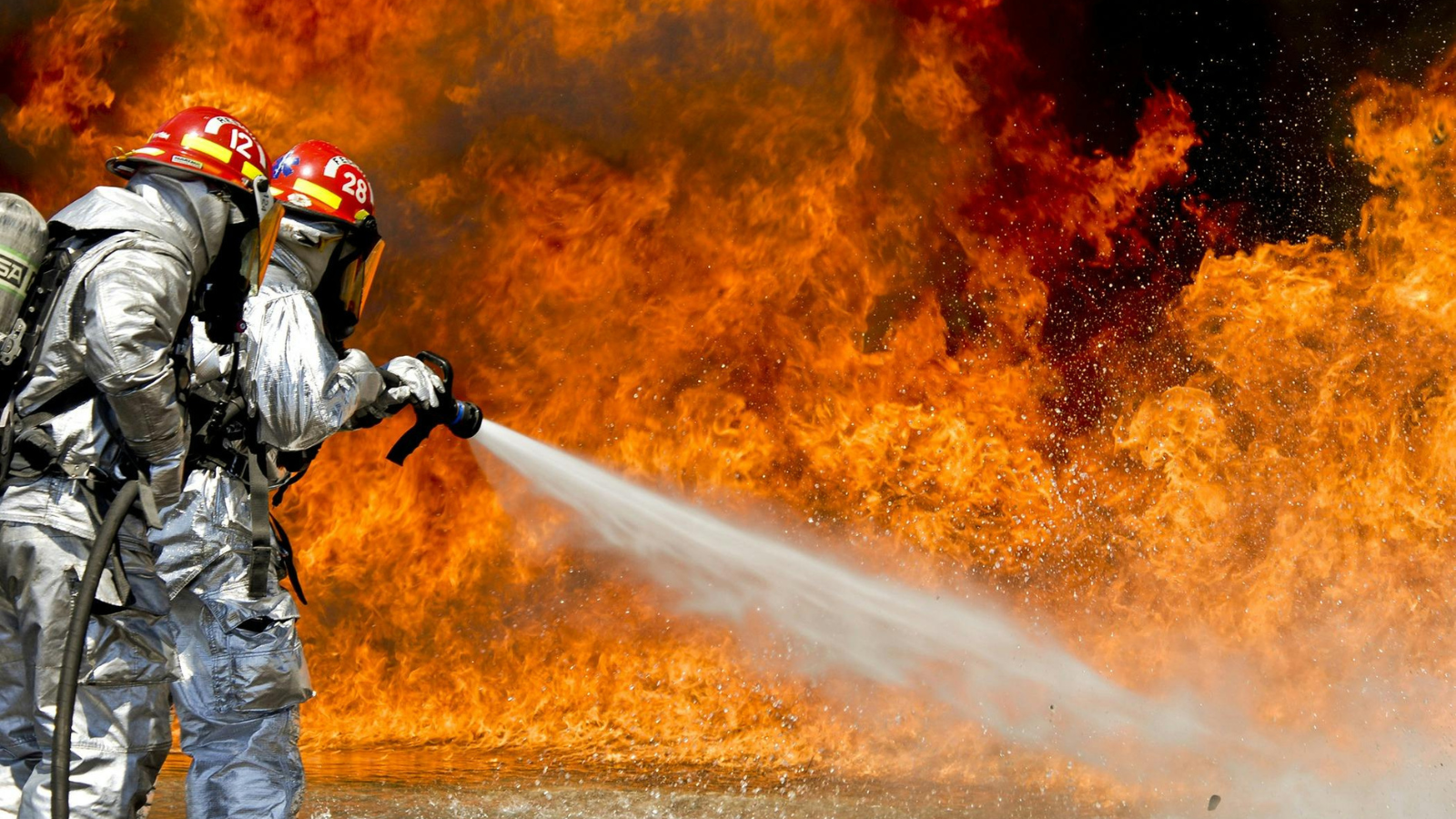
In today’s fast-paced industrial and commercial environments, fire safety has evolved beyond traditional alarms and sprinkler systems. Companies are increasingly relying on Fire Watch Guards to provide real-time monitoring of fire hazards. But why is this service becoming indispensable, and how does it complement existing fire prevention measures?
Table of Contents
What Is Real-Time Fire Hazard Monitoring?
Real-time fire hazard monitoring involves the continuous observation of areas susceptible to fire risks. Unlike standard fire detection systems that react only when a fire starts, fire watch guards actively monitor potential hazards, detect anomalies, and respond immediately to prevent escalation. According to safety analytics, facilities that incorporate human monitoring in addition to automated systems reduce the probability of catastrophic fires by up to 45%.
Why Are Fire Watch Guards Essential for Industrial Sites?
Industrial environments, such as manufacturing plants, warehouses, and chemical storage facilities, contain complex fire hazards. Electrical equipment, flammable materials, and high-heat processes can create potential fire ignition points. Studies show that industrial fires account for nearly 30% of property loss incidents in commercial operations annually.
Fire watch guards serve as a preventive layer that enhances safety beyond standard fire detection systems. They conduct regular patrols, identify hazards, and ensure compliance with fire codes. With real-time monitoring, even minor sparks or equipment malfunctions can be detected before escalating into severe incidents.
How Do Fire Watch Guards Monitor Fire Hazards in Real Time?
Modern fire watch services combine traditional vigilance with technology-assisted monitoring. Guards use handheld thermal scanners, smoke detectors, and video surveillance to track fire risks continuously. Some advanced services also integrate IoT-enabled devices, allowing guards to receive instant alerts on mobile devices when a hazard is detected.




A recent survey revealed that companies using combined human and technological monitoring experience a 50% faster response rate to fire threats compared to those relying solely on automated systems. This rapid response is critical in high-risk environments, where every second can prevent property damage and save lives.
What Are the Key Responsibilities of Fire Watch Guards?
The responsibilities of fire watch guards go beyond merely observing the premises. Core duties include:
- Continuous Patrols: Guards regularly inspect high-risk areas to detect early signs of fire.
- Hazard Identification: They identify potential fire sources such as overloaded electrical circuits, improperly stored flammable materials, or malfunctioning equipment.
- Emergency Response: In case of fire, guards initiate evacuation procedures, contact emergency services, and use firefighting equipment if safe.
- Documentation and Reporting: Detailed logs of hazards and interventions help organizations maintain compliance with fire safety regulations.
- Collaboration with Fire Safety Teams: Guards often work alongside fire marshals and safety officers to implement comprehensive fire prevention strategies.
How Do Fire Watch Guards Improve Workplace Safety Statistics?
Data from industrial safety reports indicate that facilities employing professional fire watch guards reduce workplace fire incidents significantly. For instance, manufacturing plants that incorporated continuous fire watch saw a 40% decrease in minor fire incidents and a 25% reduction in major fire emergencies over a three-year period.
Moreover, companies with fire watch services report higher employee confidence in safety protocols. Employees are more likely to follow fire safety guidelines when they see active monitoring, indirectly reducing human error-related fire hazards.
Why Should Businesses Invest in Fire Watch Services During Hot Work Operations?
Hot work operations, including welding, cutting, and grinding, pose a high risk of fire due to sparks and high temperatures. According to OSHA, hot work fires account for approximately 15% of industrial fire accidents annually.
Having fire watch guards on-site during these operations is not just a precaution—it’s a compliance requirement in many regions. Guards monitor hot work zones continuously, ensure that fire extinguishing equipment is accessible, and intervene immediately if sparks ignite flammable materials. Real-time monitoring during these activities can prevent costly downtime and protect both workers and property.
What Role Does Technology Play in Modern Fire Watch Services?
Technology has revolutionized fire hazard monitoring, enabling guards to be more efficient and proactive. Tools such as:
- Thermal Imaging Cameras: Detect heat anomalies that could indicate a fire risk.
- IoT Sensors: Monitor temperature, smoke, and gas levels in real time.
- Mobile Alert Systems: Allow instant reporting and dispatch of emergency services.
- Data Analytics: Track hazard trends, providing actionable insights for risk reduction.
Organizations that integrate technology with human monitoring often achieve double the efficiency in early fire detection compared to traditional methods.
How Do Fire Watch Guards Ensure Regulatory Compliance?
Fire codes and safety regulations vary across states and industries, but the importance of compliance is universal. Non-compliance can result in fines, legal liability, and increased insurance premiums.
Fire watch guards play a crucial role in ensuring that facilities meet safety standards. By documenting inspections, maintaining logs, and coordinating with local fire authorities, these professionals provide a verifiable safety record, which is essential for audits and insurance claims.
What Are the Cost Benefits of Hiring Fire Watch Guards?
While hiring fire watch guards is an additional expense, the return on investment is substantial. According to insurance risk assessments, the average cost of an industrial fire can exceed $1 million in property loss and operational downtime.
By preventing even a single major fire, fire watch services can pay for themselves multiple times over. Additionally, companies may benefit from reduced insurance premiums by demonstrating proactive fire monitoring measures.
Why Is Real-Time Fire Monitoring Preferred Over Traditional Fire Alarms?
Traditional fire alarms react to fires after they start, often leaving precious minutes lost. In contrast, real-time monitoring through fire watch guards allows for early detection and immediate intervention. Statistics show that facilities with active fire watch personnel reduce emergency response times by up to 60%, significantly minimizing damage and risk to personnel.
Can Fire Watch Guards Adapt to Different Environments?
Absolutely. Fire watch guards are trained to operate across various environments, including:
- Construction Sites: Monitoring temporary structures, hot work zones, and equipment.
- Warehouses: Observing flammable storage areas and high-density inventory.
- Commercial Buildings: Ensuring safety during maintenance or fire system downtime.
- Industrial Plants: Patrolling high-risk machinery and chemical storage zones.
Flexibility in adapting to site-specific risks is a major reason why businesses increasingly choose human fire monitoring over relying solely on automated systems.
What Are the Future Trends in Fire Watch Services?
The future of fire watch services points toward greater integration of AI, drones, and predictive analytics. Drones equipped with thermal cameras can cover large areas quickly, while AI systems analyze sensor data to predict potential fire risks before they occur.
Despite technological advancements, the human element remains irreplaceable. Fire watch guards provide judgment, decision-making, and immediate action that machines cannot replicate—especially in complex or high-stakes scenarios.
How Can Companies Maximize the Effectiveness of Fire Watch Guards?
To get the most value from fire watch services, companies should:
- Train Guards for Site-Specific Risks: Customized training ensures guards understand unique hazards.
- Combine Technology with Human Monitoring: Using sensors, cameras, and analytics alongside guards enhances detection.
- Maintain Clear Communication Channels: Immediate alerts and coordination with emergency services are vital.
- Conduct Regular Audits: Evaluating performance and reviewing incident reports improves efficiency.
- Integrate Guards into Safety Culture: Ensuring all employees understand the role of fire watch personnel strengthens overall safety compliance.
Conclusion: Are Fire Watch Guards the Key to Comprehensive Fire Safety?
In a world where industrial and commercial fire risks are increasing, relying solely on traditional fire detection systems is no longer sufficient. Fire watch guards providing real-time fire hazard monitoring offer a proactive solution that enhances safety, reduces property damage, and ensures regulatory compliance.
By combining human vigilance, advanced technology, and data-driven insights, businesses can significantly reduce the likelihood and impact of fires. Statistics consistently show that facilities with professional fire watch services enjoy lower incident rates, faster response times, and increased employee confidence.
In short, investing in fire watch guards is not merely an operational choice—it’s a strategic move that safeguards people, property, and profitability.