Every traveler knows the frustration: you’re standing before a breathtaking sunset, a centuries-old cathedral, or a bustling local market, and there’s no one around to take your photo. You resort to balancing your phone on a rock, asking a stranger who cuts off half the scenery, or settling for an awkward arm’s-length selfie that captures more nostril than landscape. Group travel presents its own headaches — squeezing everyone into frame while losing the backdrop that made the moment worth remembering in the first place.
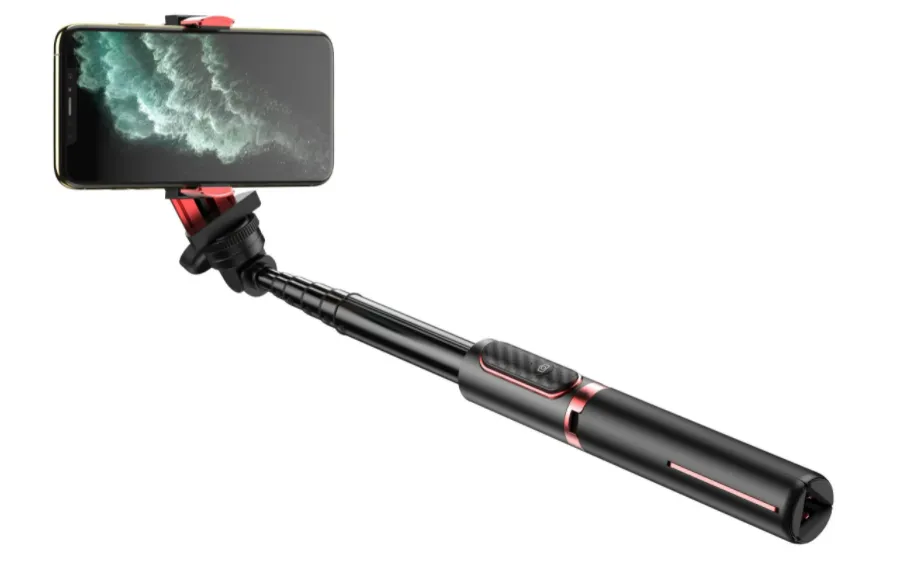
The modern selfie stick has evolved far beyond its humble origins as a simple extendable arm. Today’s innovative designs address the exact pain points travelers face, offering compact, reliable solutions that fit easily into a daypack yet deliver surprisingly professional results. From Bluetooth-enabled remote triggers to hybrid tripod configurations, these tools empower you to capture stable, well-composed images from angles that were previously impossible without a dedicated photographer. This article explores how you can leverage the latest selfie stick features and creative techniques to transform your travel photography, whether you’re a solo adventurer documenting remote trails or a family wanting picture-perfect group shots at iconic landmarks.
Table of Contents
Unlocking the Core Selfie Stick Benefits for Travelers
The most immediate advantage of a modern selfie stick is its packability. Most models collapse to under 20 centimeters, sliding into a side pocket or tucking alongside a water bottle without adding noticeable weight. This compactness means you carry a versatile photography tool without sacrificing space for essentials like snacks, sunscreen, or a rain jacket.
Reliability matters when you’re halfway up a mountain or navigating a rainy cobblestone street. Quality selfie sticks now feature reinforced aluminum or carbon fiber construction that withstands wind, accidental drops, and the general wear of daily travel. One-handed operation keeps your other hand free to steady yourself on uneven terrain or hold a child’s hand in a busy plaza. The extended reach — often up to a meter or more — lets you position your camera above crowd level or below a railing, capturing perspectives that a passerby with your phone simply wouldn’t think to attempt. For travelers who document their journeys through visual storytelling, this means consistently framing both yourself and the environment in a single, stable shot. The result is a travel gallery that feels intentional rather than improvised, with images sharp enough to print and compositions that convey the scale and emotion of each destination.
Creative Tools: Elevating Your Selfie Game Beyond the Basics
A selfie stick on its own extends your reach, but pairing it with the right accessories unlocks a completely different level of creative control. Bluetooth remote shutters are arguably the single most impactful upgrade — they free you from tapping a screen timer and rushing into position. Instead, you compose the shot, walk into frame naturally, and trigger the capture at exactly the right moment. This alone transforms stiff, hurried poses into relaxed, candid-looking images that tell a genuine story.
Adjustable phone grips with 360-degree rotation let you switch between portrait and landscape orientation mid-shoot without detaching your device. This flexibility is essential when you spot a tall waterfall that demands vertical framing right after shooting a sweeping horizontal panorama of the valley below. Some grips also tilt to precise angles, making it easy to shoot slightly downward for a more flattering perspective or upward to emphasize dramatic architecture towering overhead. Extendable arms that reach beyond the standard length open up dynamic group compositions where everyone fits comfortably alongside a landmark rather than being crammed into the foreground. You can also sweep the stick slowly during a panoramic capture to produce seamless wide shots that stitch together beautifully. These creative tools shift the selfie stick from a convenience item to a genuine storytelling instrument, helping you craft images with intentional depth, varied angles, and compositions that rival what a travel companion with photography skills might produce.
Adapting to Diverse Shooting Environments with Your Selfie Stick
Travel rarely unfolds in ideal conditions. One hour you’re weaving through a packed piazza, the next you’re perched on a windswept cliff, and by evening you’re inside a dimly lit tapas bar trying to document the meal. A selfie stick’s value multiplies when you adapt your technique to each environment rather than relying on the same default approach everywhere.
Navigating Crowded Tourist Spots
Dense crowds at landmarks like Times Square or the Trevi Fountain make ground-level photography nearly impossible without strangers photobombing every frame. Raising your selfie stick above head height instantly clears the visual clutter, placing the landmark prominently behind you while pushing bystanders below the frame’s edge. Keep the stick close to vertical rather than angling it far outward — this minimizes the chance of bumping passersby and respects the personal space that many popular sites now enforce through selfie stick policies. Timing also helps: shoot in short bursts right after a tour group passes rather than waiting for an empty scene that never arrives. If you’re near a railing or elevated step, position yourself there and extend the stick slightly forward and downward to use the crowd itself as atmospheric context rather than a distraction.
Mastering Outdoor and Adventure Settings
Wide-open landscapes reward a low camera angle that exaggerates foreground texture — wildflowers, rocky trails, rippling water — while keeping mountains or coastline in the background. Extend your selfie stick fully and hold it near knee level, triggering the shutter with a Bluetooth remote in your other hand. For action shots during hikes, cycling, or kayaking, a firm grip paired with a wrist strap prevents drops, and a short burst mode captures the peak moment of movement. Weather is the wildcard outdoors: in rain, orient the stick so your body partially shields the lens, and wipe condensation between shots. On windy summits, shorten the extension to reduce wobble and brace your elbow against your torso. These small adjustments ensure your adventure photos look sharp and dynamic regardless of what nature throws at you.
Hybrid Designs: The Future of Multi-Functional Travel Gear
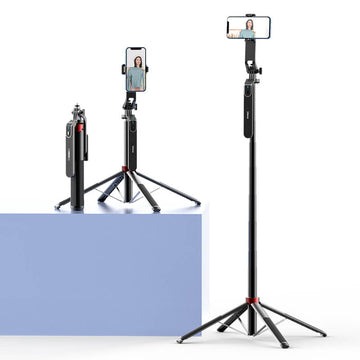
The line between a selfie stick and a full photography support system has blurred considerably. Hybrid designs now integrate tripod legs that fold flush against the handle during transit, then splay open on any flat surface to provide hands-free stability. This dual functionality means you no longer need to choose between packing a selfie stick for quick handheld shots and a separate tripod for time-lapses or long-exposure evening captures — one device handles both roles while occupying roughly the same space as a compact umbrella.
Some models push versatility even further by doubling as monopods sturdy enough to support lightweight action cameras or mirrorless setups, giving videographers a smooth panning tool for walking tours or market explorations. Brands like Ulanzi have embraced this multi-functional philosophy, offering compact hybrid designs that consolidate selfie stick, tripod, and monopod capabilities into a single travel-ready form factor. Others incorporate detachable sections that convert into tabletop stands for video calls or cooking demonstrations filmed in a rental kitchen. The tripod mode proves especially valuable for group travel: set the device on a café table or trail marker, frame the entire party against the scenery, and use a Bluetooth remote to fire the shutter without anyone being excluded from the photo. For solo travelers recording vlogs, the standing configuration delivers steady footage during narrated walkthroughs of neighborhoods or museums. By consolidating multiple functions into a single lightweight tool, hybrid designs directly address the traveler’s eternal dilemma of wanting professional capability without the burden of a heavy gear bag. They represent a practical evolution that rewards those willing to explore what one well-designed piece of equipment can accomplish across dozens of scenarios throughout a trip.
Practical Steps to Enhance Travel Photos with Your Selfie Stick
Knowing what a selfie stick can do is one thing — putting it into practice trip after trip requires a clear workflow. The following steps walk you through the process from selecting your gear before departure to polishing your images after you’ve returned to your hotel room.
Step 1: Choosing the Ideal Selfie Stick for Your Journey
Start by matching the stick to your itinerary. A week of city sightseeing calls for an ultralight model that collapses small enough to slip inside a crossbody bag, while a trekking-heavy trip demands rugged construction and a secure wrist strap. Check device compatibility before purchasing — ensure the clamp accommodates your phone’s width, especially if you use a bulky protective case. Bluetooth connectivity is far more practical than a wired shutter button, so confirm the remote pairs reliably with your phone’s operating system. If you plan to shoot near water or in unpredictable weather, prioritize models with corrosion-resistant materials and a non-slip grip. Finally, consider whether you need built-in tripod legs; travelers who shoot time-lapses, sunset sequences, or group dinners will benefit enormously from hands-free stability without carrying a second piece of equipment.
Step 2: Execution Techniques for Professional-Quality Shots
Once you have the right tool, technique determines whether your photos look amateur or polished. Begin each shot by adjusting the stick’s length to suit the scene — fully extended for wide landscapes, partially retracted for tighter portraits where background blur matters. Angle the camera slightly downward for the most flattering facial perspective, keeping the horizon line in the upper third of the frame to ground the image in its environment. Use your Bluetooth remote to trigger the shutter after you’ve settled into a natural pose; the two-second pause between pressing the button and relaxing your expression is what separates stiff snapshots from authentic moments. Experiment with unconventional perspectives: hold the stick low and shoot upward beneath a canopy of autumn leaves, or extend it over a bridge railing to capture a river winding below your feet. When light is harsh at midday, turn so the sun hits your side rather than your face, reducing squinting and deep shadows. In the evening, lean the stick-mounted phone against a stable surface in tripod mode and use a long-exposure app to capture city lights streaking past. After the shoot, spend five minutes with a mobile editing app — straighten the horizon, lift shadows slightly, and add a touch of warmth to golden-hour shots. These minor corrections amplify the quality of images that were already well-composed in the field, giving your travel gallery a cohesive, intentional feel that stands out on any screen.
Transform Your Travel Gallery with the Right Selfie Stick
Travel photography should capture the wonder you actually experience, not the compromises you made trying to document it. The innovative selfie stick tools available today directly solve the most persistent challenges travelers face — from solo adventurers who refuse to leave themselves out of the story to families determined to fit everyone alongside a stunning backdrop. Their compact, lightweight designs mean you never have to debate whether the gear is worth carrying, and their reinforced construction holds up across cobblestones, mountain trails, and monsoon downpours alike.
Beyond mere convenience, these tools unlock genuine creative potential. Bluetooth remotes transform rushed timer shots into relaxed, authentic moments. Adjustable grips and extended reach open angles that surprise even experienced photographers. Hybrid tripod configurations eliminate the need for bulky secondary equipment while delivering hands-free stability for time-lapses, group dinners, and golden-hour videos. By adapting your technique to each environment — raising the stick above crowds, lowering it to emphasize dramatic foregrounds, or bracing it against wind on an exposed summit — you consistently produce images that feel intentional and polished. Pack your selfie stick on your next trip not as an afterthought, but as an essential creative companion, and start building a travel gallery truly worth sharing.