Warnings are unusual for emergencies. A person can collapse suddenly at home, at work, or even in a public place, and in those crucial moments, knowing what to do can make the difference between life and death. Cardiopulmonary resuscitation, commonly known as CPR, is one of the most important life-saving skills anyone can learn. It empowers individuals to take immediate action while waiting for professional medical help to arrive. Understanding essential CPR skills is not just for healthcare professionals. It is a practical ability that can benefit everyone in unexpected situations.
Knowing When CPR Is Required
Recognising when CPR is necessary is the first and most crucial step. When someone is not breathing regularly and is not responding, CPR should be administered. Cardiac arrest, drowning, choking, and other medical situations might cause this. The brain may start to deteriorate in a matter of minutes without oxygen; prompt action is essential.
Make sure the situation is safe before beginning CPR. Next, give them a little shake and call out to see if they are responding. Call emergency services right away if you don’t hear back, or ask someone nearby to do so. These first steps are simple yet crucial for setting the stage for an effective intervention.
The Fundamentals Of Chest Compressions
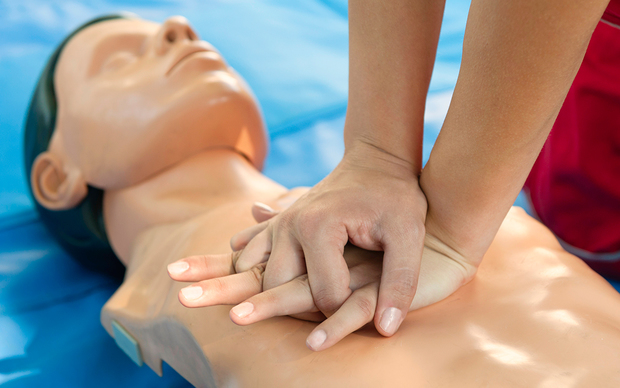
The foundation of CPR is chest compressions. When the heart stops beating, they aid in keeping blood flowing to essential organs. Put one hand’s heel in the middle of the chest and the other hand on top to properly do compressions. To push quickly and forcefully, keep your arms straight and utilise your whole weight.



A pace of between 100 and 120 compressions per minute is advised. Depth is also important. The depth of the compressions should be such that the chest may completely recoil in between each push. Maintaining efficient blood flow until expert assistance comes requires rhythm and consistency.
Techniques For Rescue Breathing
Rescue breaths might aid in supplying oxygen to the lungs in addition to compressions. Pinch the nose, deliver a continuous breath into the mouth, and tilt the patient’s head back slightly to clear the airway after a series of compressions. Keep an eye out for the chest to lift, a sign that the breath was effectively administered.
For inexperienced people, some current standards stress hands-only CPR, concentrating simply on compressions. However, mastering the right rescue breathing methods increases efficacy even more, particularly in situations like respiratory crisis or drowning.
The Benefits Of Expert Training
Although manuals and videos may teach fundamental concepts, systematic training greatly increases accuracy and confidence. CPR courses often include practical exercises, real-world situations, and professional supervision. These components guarantee that students are not just knowledgeable but also equipped to function under duress.
Programs linked with qualifications such as certificate 4 in training and assessment often emphasise the importance of delivering and understanding structured learning. This type of training approach ensures that CPR education is consistent, practical, and effective across different environments.
Fast Learning For Busy Lives
Many people hesitate to enrol in CPR courses because they believe the training will be time-consuming. However, modern programs are designed to fit into busy schedules without compromising on quality. Short, intensive sessions provide focused learning that equips participants with essential skills in a limited time frame.
Courses like Express CPR are becoming increasingly popular because they offer a fast and efficient way to gain life-saving knowledge. These programs prioritise practical application, ensuring that learners can quickly understand and perform CPR when needed.
Developing Competencies Via Higher Education
For those looking to deepen their expertise, advanced training options are available. These courses often include additional topics such as first aid, emergency response planning, and the use of automated external defibrillators. Increasing your knowledge base boosts your general confidence in managing situations as well as your capacity to react.
Tae Darwin offers people a means to acquire both practical and instructional skills in areas where training possibilities are expanding. For those who want to educate others and support community safety, this combination is quite beneficial.
In Conclusion
CPR is a skill that is applicable to people from all backgrounds and occupations. It is an all-purpose tool that enables individuals to react appropriately in life-threatening circumstances. Every action, from identifying crises to administering compressions and rescue breaths, is essential to preserving lives.
Learning CPR is an investment that goes beyond personal growth. It’s about being ready to change things when it counts most. There has never been a better moment to gain these vital skills, thanks to readily available training alternatives and organised learning programs.