Pedestrian accidents happen every day in Fort Lauderdale – mostly in places where people walk without much thought. Downtown streets see a crowd from morning till evening. Beach crossings rarely slow down. Hotel entrances involve constant stopping and pulling back into traffic. Wide arterial roads move vehicles fast. Pedestrians and drivers share limited space. And traffic rarely pauses for people on foot.
Visitors mostly drive rental cars in unfamiliar areas. Rideshare vehicles stop suddenly near curbs and crosswalks. Local drivers move quickly through routes used daily. These conditions together create real danger for anyone walking nearby.
Traffic patterns play a major role in pedestrian crashes across the city. You see this every day on busy streets. Broward Boulevard stays crowded for most of the day. Sunrise Boulevard carries steady commuter traffic from morning through evening. Federal Highway allows higher speeds. This leaves very little room for error. A1A sees nonstop tourist traffic near beaches and hotels. Tourism adds drivers who are unfamiliar with crosswalk locations and signal timing. Confusing lane layouts often make these situations even worse.
When you are struck as a pedestrian, the crash usually traces back to a specific driving decision. This decision can happen within just a few seconds. A Fort Lauderdale pedestrian accident lawyer will start by identifying exactly what went wrong during those critical moments.
Table of Contents
Distracted Driving
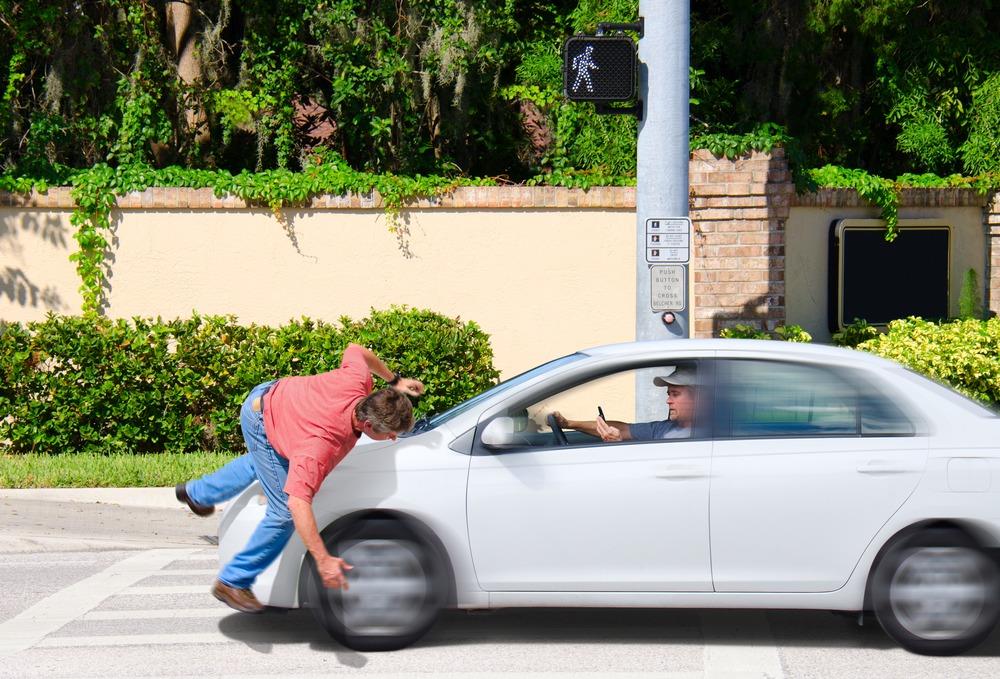
Distracted driving is one of the most common causes of pedestrian accidents. Many drivers divide their attention between the road and other tasks. Phones are the greatest risk but in-car screens, passengers and vehicle controls also pull attention away from driving.




Texting is especially dangerous. Eyes leave the road. Hands leave the wheel. Mental focus shifts elsewhere. A brief glance down can be enough to miss someone stepping into a crosswalk. Phone calls reduce reaction time as well, including hands-free calls.
Navigation apps add risk near intersections. Drivers can look down to confirm turns at the same moment pedestrians often begin crossing. Adjusting music or climate controls can cause you similar problems. Eating while driving can also pull your attention away from your surroundings. Urban walking areas need constant scanning and distracted drivers can fail to maintain that level of awareness.
Distracted Driving Facts
| Statistic | Data |
| Pedestrian deaths linked to distraction | About 1 in 5 crash fatalities |
| Average time eyes leave road while texting | 5 seconds |
| Crash risk increase from phone use | Up to 4 times higher |
Speeding on Wide Urban Roads
Speed affects both how pedestrian crashes happen and how severe your injuries become. Many Fort Lauderdale roads are wide and straight – which encourages faster driving. Pedestrians still cross these roads every day – mostly at busy intersections.
Speed limits commonly reach 45 miles per hour and some corridors allow even higher speeds. As speed increases – your reaction time decreases. The stopping distance grows longer. A short delay in braking can turn a near miss into a collision.
Injury severity can rise sharply with speed. A crash at 30 miles per hour can produce far less force than one at 45 miles per hour. Pedestrians struck at higher speeds can face a greater risk of head injuries, spinal trauma and internal injuries.
Speed and Injury Risk
| Vehicle Speed | Pedestrian Fatality Risk |
| 30 mph | About 10 percent |
| 40 mph | About 50 percent |
| 50 mph | About 85 percent |
Speeding near intersections remains common. Bus stops attract frequent foot traffic. Tourist corridors add inconsistent driving behavior to already busy roads.
Failure to Yield at Crosswalks
Failure to stop is a common cause of pedestrian crashes. Florida law gives pedestrians the right of way at crosswalks and intersections. Drivers are required to stop – yet many do not.
Turning vehicles creates particular danger. Drivers mostly focus on oncoming traffic while preparing to turn. Pedestrians crossing legally may go unnoticed. This problem is seen at downtown intersections and along busy beach routes.
Some drivers misjudge walking speed. Others rush through yellow lights and enter intersections too late. During congestion – vehicles may block crosswalks completely. Tourists may not expect heavy foot traffic in some areas. When right-of-way rules are ignored – pedestrians can suffer serious injuries.
Alcohol and Drug Impairment
Impaired driving can play a major role in pedestrian crashes. You can face greater risk when drivers are under the influence. Alcohol can slow your reaction time and affect your coordination. Your judgment can be impaired very quickly. This makes it harder to respond to changing traffic conditions. Visual processing also declines during impairment. Drivers may fail to notice pedestrians in time.
Nighttime crashes show much higher impairment rates. You are at greater risk after dark. Weekend accidents increase as nightlife traffic grows. Fort Lauderdale nightlife can raise your exposure risk near entertainment districts. Waterfront bars bring heavy vehicle traffic late at night. Reduced lighting during these hours can increase danger even further.
Drug impairment can also contribute to pedestrian accidents. Prescription medications can reduce your alertness and reaction speed. Illegal substances increase the risk even more. Combined alcohol use worsens overall impairment. Impaired drivers may drift across lanes. Speed control often becomes inconsistent. Braking responses slow when quick action is required.
Civil claims often rely on arrest records and toxicology reports. Witness statements also play an important role here. A Fort Lauderdale pedestrian accident lawyer will review these details carefully when evaluating a case.
Impairment Statistics
| Factor | Percentage of Fatal Pedestrian Crashes |
| Alcohol involvement | About 49 percent |
| Nighttime crashes | About 75 percent |
| Weekend incidents | Higher than weekdays |
Poor Visibility Conditions
Low visibility significantly increases pedestrian accident risk. Night driving reduces visual awareness and limits how far drivers can see. Rain shortens sight distance even more. Headlight glare makes pedestrians harder to spot. Poor street lighting adds another layer of danger.
Many pedestrian crashes occur after sunset. Headlights do not always fully illuminate crosswalks or roadside areas. Dark clothing reduces contrast against the roadway. Rain further limits visibility. Drivers traveling at normal speeds may not see pedestrians until impact becomes unavoidable.
Weather conditions also play a big role. Sudden rainstorms can reduce your traction and lengthen your stopping distance. Windshield fogging can delay your driver’s reactions. Some Fort Lauderdale corridors lack adequate lighting and crosswalk markings fade over time. Early morning and evening hours are risky times.
Rideshare and Delivery Driver Behavior
Rideshare traffic adds constant movement to busy streets. Delivery drivers mostly operate under strict time pressure. Both rely heavily on navigation apps. These can distract them from their surroundings. Sudden stops occur near hotels and apartment buildings and see frequent curbside pickups.
Passengers may exit vehicles without warning – placing pedestrians at risk. Drivers mostly re-enter traffic quickly after stopping. They may skip crosswalk checks during these moments. Delivery drivers may rush through intersections and rolling stops can be common. Tourist-heavy areas face repeated hazards from this pattern.
When a rideshare vehicle strikes a pedestrian – liability can be complex. Insurance coverage may involve multiple policies and layers.
Tourists and Unfamiliar Drivers
Tourism can significantly increase pedestrian accident risk. Many visitors drive rental vehicles that they are unfamiliar with. Local traffic patterns may cause confusion and crosswalk placement can go unnoticed.
Unfamiliar drivers often misjudge turn lanes on local roads. You may notice confusion at busy intersections. One-way streets can create additional challenges for visitors. Navigation instructions often dominate a driver’s attention. This leaves less focus on pedestrians crossing nearby. Beach districts can face a higher risk due to heavy tourist activity. Entertainment zones can experience similar traffic problems.
Tourists also tend to drive inconsistently through the area. Sudden stops occur while drivers search for destinations. Lane changes may happen without clear warning. You often see these patterns during pedestrian accident investigations.
Road Design and Infrastructure Issues
Some pedestrian crashes involve infrastructure problems beyond driver behavior. You may encounter crosswalks that are unclear or poorly placed. Road markings can fade over time and become harder to see. Traffic signals may malfunction or fail to provide enough crossing time. Sidewalks may be limited or missing in certain areas.
Wide intersections need more time to cross safely. Signal cycles may end too quickly for pedestrians. This can leave you exposed in the middle of traffic. Construction zones can narrow walking areas. These zones push pedestrians closer to moving vehicles. Traffic lanes can shift closer to pedestrian paths during road work.
When infrastructure contributes to a crash – government entities may share responsibility. You must follow strict notice requirements and legal deadlines in these cases.
Pedestrian Behavior and Shared Responsibility
Drivers cause most pedestrian accidents but pedestrian actions can sometimes affect outcomes. Crossing outside marked areas increases your collision risk. Entering the roadway suddenly leaves drivers little time to react. Phone use while walking can reduce awareness of surrounding traffic.
Florida follows a comparative negligence system. This means fault can be shared. Insurance companies raise pedestrian behavior early to reduce their claim value. Understanding how these rules work helps protect your position after a crash.
Why the Cause Matters After a Pedestrian Accident
Identifying the cause of a pedestrian accident shapes every step of a claim. Liability depends on how the crash occurred. Insurance coverage and available compensation depend on the cause as well.
Evidence plays a critical role. Traffic camera footage may capture the incident. Vehicle data can show speed or braking. Witness statements carry weight. Phone records may matter in distracted driving cases. Roadway conditions also affect liability. In busy Fort Lauderdale corridors, this evidence can disappear quickly.
Serious injuries often require early legal guidance. Acting early helps preserve important details and reduces the risk of insurance missteps.
Final Thoughts
Pedestrian accidents in Fort Lauderdale tend to follow clear patterns. Distracted driving causes many crashes. Speeding increases injury severity. Failure to yield remains common. Impairment raises nighttime risk. Visibility issues add danger. Traffic congestion worsens every factor.
Understanding what caused the crash brings clarity after an injury. Accountability becomes easier to identify. Pedestrians face a much higher risk of serious harm than drivers, and small driving mistakes can lead to lasting consequences.
Knowing what led to the crash plays an important role in protecting legal rights and long-term stability.