Creating a dedicated health and fitness routine is a cornerstone of overall wellbeing and longevity. However, for individuals living with physical or cognitive impairments, traditional gym environments and generic workout plans are often highly impractical. The mainstream fitness industry frequently overlooks these unique needs, leaving many feeling unsupported or overwhelmed by spaces that lack proper accessibility features. This gap highlights the profound importance of adaptive wellness. Adaptive wellness focuses on modifying exercises, adjusting physical environments, and reshaping mindsets to create accessible routines that can be safely enjoyed at home. Building an inclusive fitness habit is not about matching a specific societal standard. Instead, it is about finding meaningful movements and practices that work seamlessly for your unique body, lifestyle, and capabilities.
Navigating the complexities of a new exercise program is often much easier with professional, hands-on guidance. Establishing an adaptive routine frequently means bringing in experienced assistance to ensure exercises are executed safely and effectively. For example, individuals seeking disability care in Perth can connect with qualified support workers who assist them in navigating physical therapy exercises right in the comfort of their own homes. Having this level of dedicated, in-home support drastically reduces the risk of injury, builds essential confidence, and ensures that long-term physical goals remain achievable.
Table of Contents
The Clinical Importance of Adaptive Movement
Regular physical activity offers profound clinical benefits across all aspects of health, from improving cardiovascular function to enhancing joint mobility and boosting daily moods. Unfortunately, accessibility barriers and a lack of tailored resources often prevent individuals from reaping these vital rewards. In fact, research from the Centers for Disease Control and Prevention indicates that nearly half of all adults with disabilities get no leisure-time aerobic physical activity, yet they are significantly more likely to be physically active if a healthcare provider specifically recommends it.
This striking data underscores the critical need for modified home workouts and accessible community programs. Before beginning any new physical regimen, consulting with a healthcare professional or an exercise physiologist is a vital first step. These medical experts can provide highly tailored advice on which muscle-strengthening and aerobic exercises are completely safe to perform based on your specific health profile. Simple daily adaptations, such as focusing on basic range-of-motion stretches or gentle resistance training, can yield significant improvements in everyday functioning. These targeted exercises help prevent muscle atrophy, promote better circulation, and enhance overall quality of life.
Setting Up a Safe Home Fitness Environment
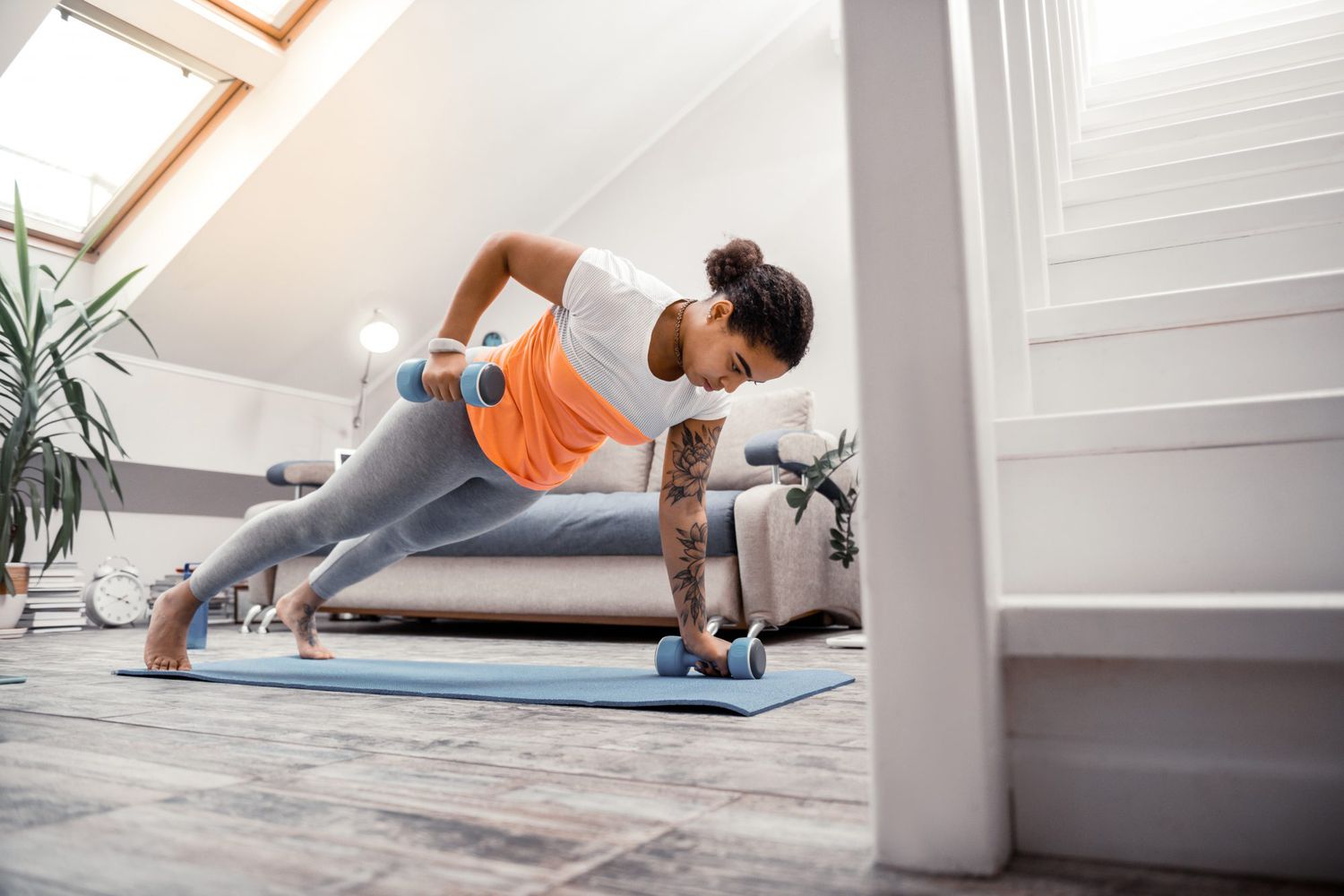
Transforming your living space into a safe environment for fitness requires careful planning, practical adjustments, and the right mindset. When designing your accessible workout space, the primary focus should always be on safety, practicality, and personal comfort. Keep the following fundamental tips in mind to create the best environment possible for your daily routines:




- Clear the floor space: Remove common trip hazards like loose rugs, trailing electrical cords, or cluttered furniture to ensure a wide open area for unrestricted movement or wheelchair access.
- Use household items as modified equipment: You do not need expensive gym gear to see results. Items like filled water bottles can serve as light hand weights, and sturdy dining chairs are excellent for seated exercises or reliable stability support.
- Optimise lighting and temperature: A well-lit and comfortably cool room helps prevent unnecessary fatigue, improves visibility, and reduces the risk of overheating during your exercises.
- Focus on low-impact movements: Arm cycling, seated leg lifts, and resistance band stretches are excellent, accessible ways to build strength without bearing excessive weight or straining vulnerable joints.
- Keep emergency communication nearby: Always ensure your mobile phone, medical alert device, or smartwatch is within immediate reach while exercising alone.
Nurturing Mental Health and Self-Care
Physical fitness is only one half of the complete adaptive wellness equation. Managing your psychological wellbeing is equally crucial, especially for those navigating the daily, complex challenges of mobility limitations or chronic health conditions. When the physical body faces persistent limitations, the mind can sometimes experience difficult feelings of isolation, frustration, or burnout. Stress management, mindfulness practices, and proactive emotional self-care must be intentionally woven into your daily routine to maintain balance.
Establishing healthy mental habits at home can be highly accessible thanks to recent digital health advancements. Exploring virtual counselling is an excellent way to prioritise your mental health without the added stress of commuting to an unfamiliar office. If you are considering this beneficial route, a highly helpful resource is this comprehensive guide on how to get the most from online therapy platforms. Setting firm personal boundaries, creating a quiet and distraction-free space in your home, and making therapy a completely non-negotiable part of your weekly schedule are essential steps for protecting your emotional wellbeing. Combining robust mental health support with physical activity creates a holistic approach that truly nourishes both the mind and the body.
Consistency Over Perfection
The ultimate goal of any accessible wellness routine is long-term consistency, not immediate perfection. It is incredibly easy to become discouraged if physical progress feels slow or if certain exercises feel unexpectedly challenging, but the true key to success is consistently celebrating small victories. Whether you successfully completed just ten minutes of seated stretches, tried a new deep breathing exercise, or simply attended a virtual therapy session, every positive choice contributes significantly to your overall health journey.
Always listen to your body and give yourself full permission to rest when necessary. Adaptive wellness is highly personal and fluid, meaning your daily routine will naturally evolve and shift over time. By focusing on maintaining safe home setups, seeking out professional support when it is needed, and fiercely prioritising mental health alongside physical movement, you can successfully build a sustainable, joyous lifestyle that empowers you every single day.