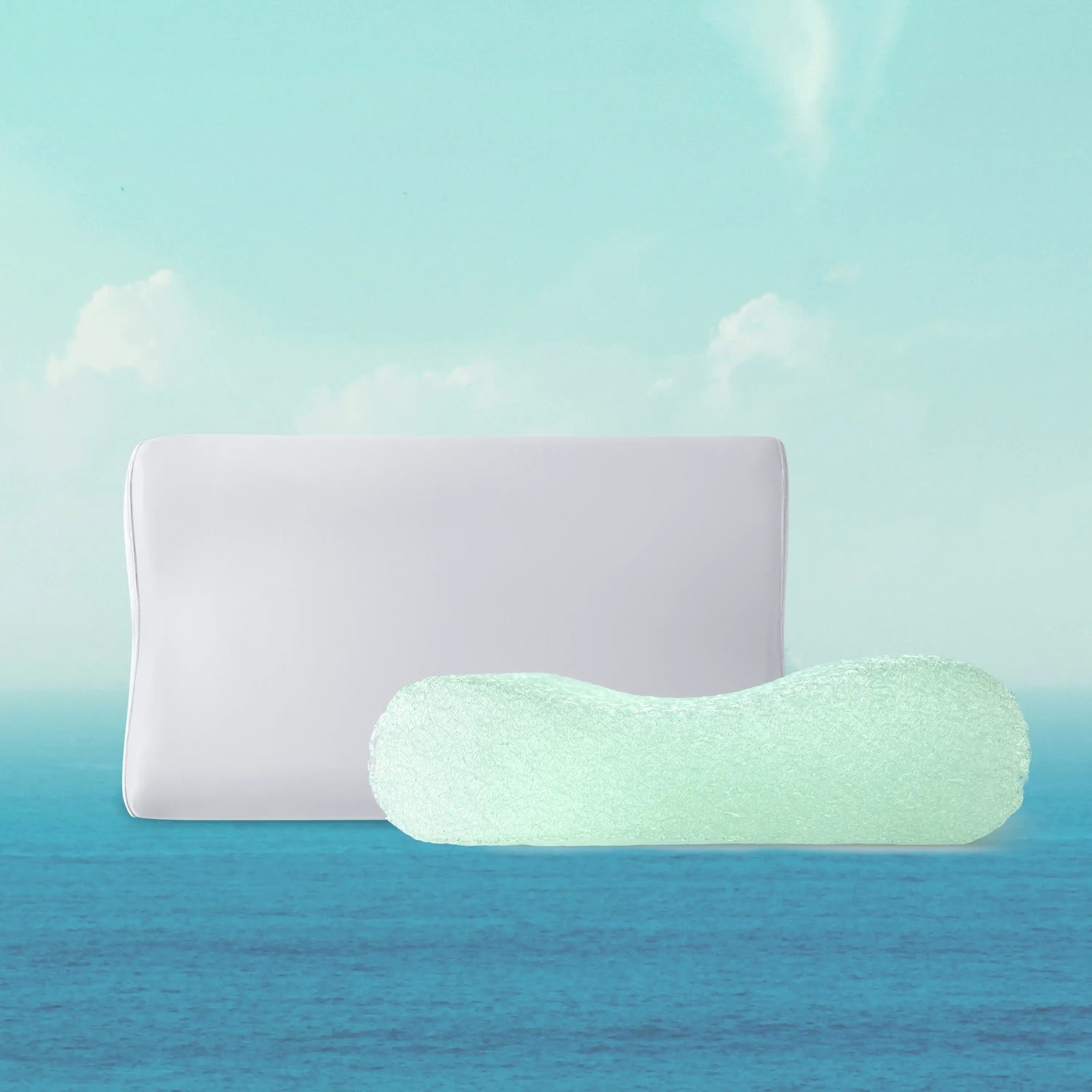
If your child tosses and turns through the night, waking up damp and restless, you’re far from alone. Many parents of side-sleeping kids face the same frustrating cycle: a child who overheats, kicks off their covers, and still wakes up exhausted. The right cooling pillow for side sleepers can make a genuine difference, helping regulate your child’s temperature so they stay comfortable from bedtime to morning.
Sleep isn’t just rest — it’s when kids grow, consolidate memories, and recharge for the day ahead. Poor sleep quality affects mood, focus, and even immune function, making the right bedding far more than a comfort issue. Are you still using the same pillow your child has had for years? Does it hold heat or go flat by midnight? Is it a nightmare to clean after a sick day or a spill?
This guide walks you through everything you need to know about choosing a cooling pillow designed with side-sleeping children in mind — covering safe materials, proper support, and options that are genuinely easy to wash and maintain.
Table of Contents
Why Cooling Pillows Are Essential for Side-Sleeping Children
Side sleeping is actually the most common position for children, and while it offers real benefits — reduced snoring, better spinal alignment — it also creates a specific heat problem. When a child lies on their side, one cheek presses directly into the pillow for hours at a stretch. Standard foam or polyester-fill pillows trap body heat and restrict airflow, turning the sleeping surface into a warm pocket that builds up throughout the night. The result is a restless, sweaty child who wakes frequently or starts the night well but ends it tangled and uncomfortable.
Temperature regulation isn’t just about comfort — it’s directly tied to sleep quality. The body naturally lowers its core temperature as part of the sleep cycle, and anything that interferes with that process disrupts deep, restorative sleep. According to the American Academy of Sleep Medicine, children between ages 6 and 12 need 9 to 12 hours of quality sleep per night for healthy development. When overheating cuts into those hours, the downstream effects show up as irritability, difficulty concentrating in school, and weakened immune response over time.




A cooling pillow for side sleepers addresses this by actively managing the microclimate around your child’s head and neck. Rather than absorbing and retaining heat, these pillows use breathable materials and temperature-regulating technology to keep the surface consistently cool. For parents, this means fewer nighttime wake-ups and a child who actually feels rested in the morning. Specialized bedding designed for side sleepers also accounts for the extra loft needed to keep the neck properly aligned — making cooling pillows a functional upgrade, not just a comfort one.
Key Features to Look for in a Cooling Pillow
Not every pillow marketed as “cooling” delivers the same results, and when it comes to children, the gap between a well-designed product and a mediocre one shows up quickly. For side-sleeping kids specifically, four features matter most: the type of cooling technology used, the ability to adjust support, how easy the pillow is to wash, and whether the materials actively manage moisture. Understanding each of these helps you cut through marketing language and focus on what actually works.
Cooling Technology Explained
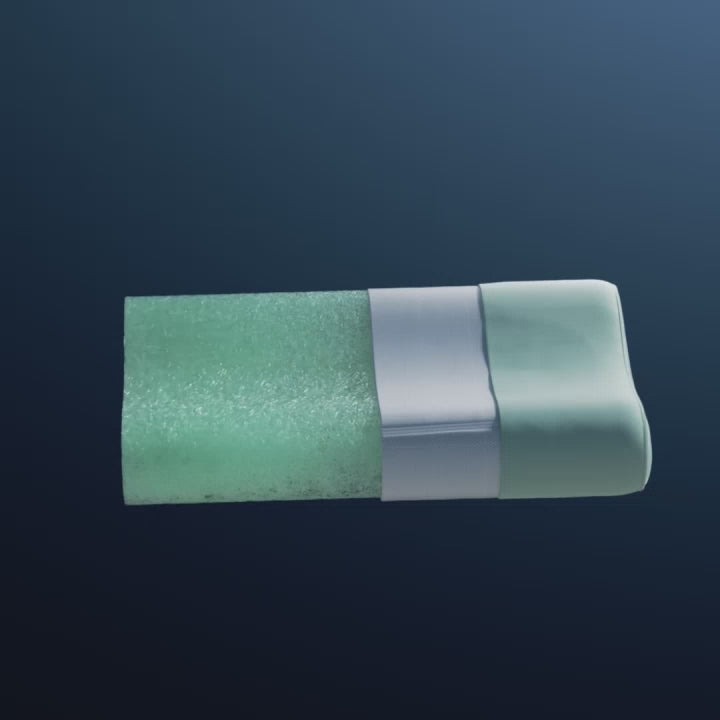
Cooling pillows typically rely on one of two approaches: active heat dissipation or breathable construction. Gel-infused memory foam absorbs heat away from the skin, while open-cell foam structures allow air to circulate rather than pool. Natural fibers like bamboo and Tencel take a different route — they’re inherently breathable and regulate temperature passively, making them a strong choice for children with sensitive skin or chemical sensitivities.
The Importance of Adjustable Support
Side sleepers need more loft than back sleepers because the pillow must bridge the gap between the shoulder and the head to keep the spine neutral. Children grow quickly, and a pillow that fits a six-year-old may leave a ten-year-old with neck strain. Pillows with removable fill layers or adjustable inserts let you dial in the right height as your child grows, preventing the neck pain and morning stiffness that come from a poorly fitted pillow.
Benefits of a Washable Pillow
Children’s pillows take a beating — drool, sweat, spills, and sick days are inevitable. A pillow with a machine-washable cover at minimum, or a fully washable construction, makes hygiene far more manageable. For kids with allergies or asthma, regular washing also reduces dust mite buildup, which thrives in warm, humid bedding environments. Look for covers that zip off easily and hold up to frequent laundering without pilling or shrinking.
Moisture Wicking Bedding for Added Comfort
Cooling technology works best when paired with moisture-wicking fabric on the pillow’s surface. Materials like bamboo-derived rayon or microfiber blends pull sweat away from the skin rather than letting it sit, keeping the sleeping surface dry throughout the night. This matters especially for children who run warm — a pillow that stays cool but feels damp by 2 a.m. still disrupts sleep. Pairing a moisture-wicking pillowcase with a breathable pillow core creates a more complete solution; brands like Breescape Home, for instance, build this pairing directly into their children’s bedding lines by combining open-cell foam cores with bamboo-blend covers.
How to Choose the Best Cooling Pillow: A Step-by-Step Guide for Parents
Step 1: Assess Your Child’s Specific Needs
Before comparing products, take stock of what your child actually needs. A seven-year-old who sleeps hot and has seasonal allergies has different requirements than a twelve-year-old who simply needs better neck support. Consider your child’s age and shoulder width — both affect the loft you’ll need — and note whether they have sensitivities to synthetic materials or fragrances. If your child has asthma or eczema, hypoallergenic fill and certified non-toxic covers move from nice-to-have to essential. Starting with these specifics keeps you from being swayed by features that don’t apply.
Step 2: Compare Features and Brands
Once you know what your child needs, build a simple checklist before you start browsing. Rate each pillow you consider across four criteria: cooling effectiveness, adjustable support, washability, and moisture management. Gel-infused memory foam tends to outperform standard polyester on heat dissipation, while shredded foam or down-alternative fills often allow loft adjustment. Bamboo and Tencel covers score well on both breathability and moisture wicking. Read verified reviews specifically from parents of side-sleeping children — they’ll surface real-world issues like covers that pill after washing or fill that clumps and loses shape. Cross-referencing two or three sources gives you a more reliable picture than any single review.
Step 3: Prioritize Safety and Ease of Maintenance
Children spend a third of their lives on their pillows, so material safety isn’t a minor detail. Look for CertiPUR-US certification on foam-based pillows, which confirms the foam has been tested for harmful chemicals, heavy metals, and excessive VOC emissions. OEKO-TEX Standard 100 certification on fabric covers provides similar assurance for textiles. Beyond certifications, check the cleaning instructions before you buy — a pillow that requires dry cleaning or hand-washing only will rarely get washed as often as it should. The most practical options have zip-off covers that go straight into the washing machine and foam cores that can be spot-cleaned or fully machine-washed on a gentle cycle. Finally, consider whether the brand offers a trial period. A 30- to 60-night return window lets your child actually test the pillow through real nights rather than leaving you stuck with something that doesn’t work.
Addressing Parents’ Top Concerns: Safety and Maintenance Solutions
Safety certifications are worth understanding before you buy, not after. For foam-based cooling pillows, CertiPUR-US certification means the foam has been independently tested and confirmed free from harmful chemicals, heavy metals like mercury and lead, and ozone-depleting compounds. OEKO-TEX Standard 100 certification applies to the fabric components — covers, casings, and pillow shells — verifying that every layer your child’s face touches has been screened for over 100 harmful substances. These aren’t marketing badges; they’re third-party verifications that give parents a concrete basis for trust.
On the maintenance side, frequency matters as much as method. Children’s pillows should be washed every one to two months under normal conditions, and more often during allergy season, illness, or summer heat when sweat accumulates faster. A pillow with a zip-off, machine-washable cover makes this realistic rather than aspirational — toss the cover in on a warm cycle with a gentle detergent and it’s done. For the pillow core itself, check whether it’s rated for machine washing on a low or delicate cycle, or whether spot cleaning is the manufacturer’s recommendation. Storing a fully dried pillow in a breathable cotton bag rather than a plastic bin prevents moisture buildup between uses.
Durability is a legitimate concern when you’re investing in quality bedding. A well-constructed cooling pillow with quality foam and a reinforced cover should hold its shape and cooling properties for two to three years with proper care. Replacing a pillow that’s gone flat or lost its structure isn’t an expense to avoid — a collapsed pillow no longer supports your child’s neck correctly, and the cooling technology in degraded foam becomes far less effective over time.
Better Sleep Starts with the Right Pillow
Choosing the right cooling pillow for your side-sleeping child comes down to understanding a few core principles and applying them deliberately. Side sleepers need adequate loft to keep the spine aligned, breathable materials that prevent heat from building up overnight, and construction that holds up to the washing routine children’s bedding genuinely demands. When those elements come together — cooling technology, adjustable support, machine-washable design, and moisture-wicking fabric — the difference in your child’s sleep quality becomes noticeable within days.
Safety certifications like CertiPUR-US and OEKO-TEX Standard 100 aren’t details to skim past; they’re the clearest signal that a product has been independently verified as safe for the child who will spend a third of their life on it. And practical maintenance — regular washing, proper drying, timely replacement — protects that investment while keeping allergens and bacteria from accumulating in the bedding.
You now have a clear framework: assess your child’s specific needs first, evaluate products against a concrete checklist, and prioritize safety and ease of care over surface-level marketing claims. Use that framework the next time you’re browsing options, and look for brands — Breescape Home among them — that offer a trial period so your child can test the pillow through real nights. Better sleep for your child starts with the right foundation — and that foundation is closer than you think.