The Complete Framework for Implementing Paperless Workflow Automation in a Manufacturing Environment

Manufacturing operations have long depended on paper-based documentation to manage production orders, quality checks, maintenance records, and compliance reporting. These systems were built for a different era — one where data moved slowly and decisions were made with significant lead time. Today, that same reliance on paper introduces friction at nearly every stage of production: missing records, delayed approvals, inconsistent data entry, and audit gaps that create compliance exposure.
The shift away from paper is not simply about going digital. It is about rebuilding how information flows through a facility — from the shop floor to supervisors, from maintenance teams to quality assurance, from procurement to regulatory documentation. Doing this well requires a structured approach that accounts for operational continuity, staff adoption, and the genuine complexity of manufacturing environments. This article outlines that framework in practical terms.
Table of Contents
Understanding What Paperless Workflow Automation Actually Means in Manufacturing
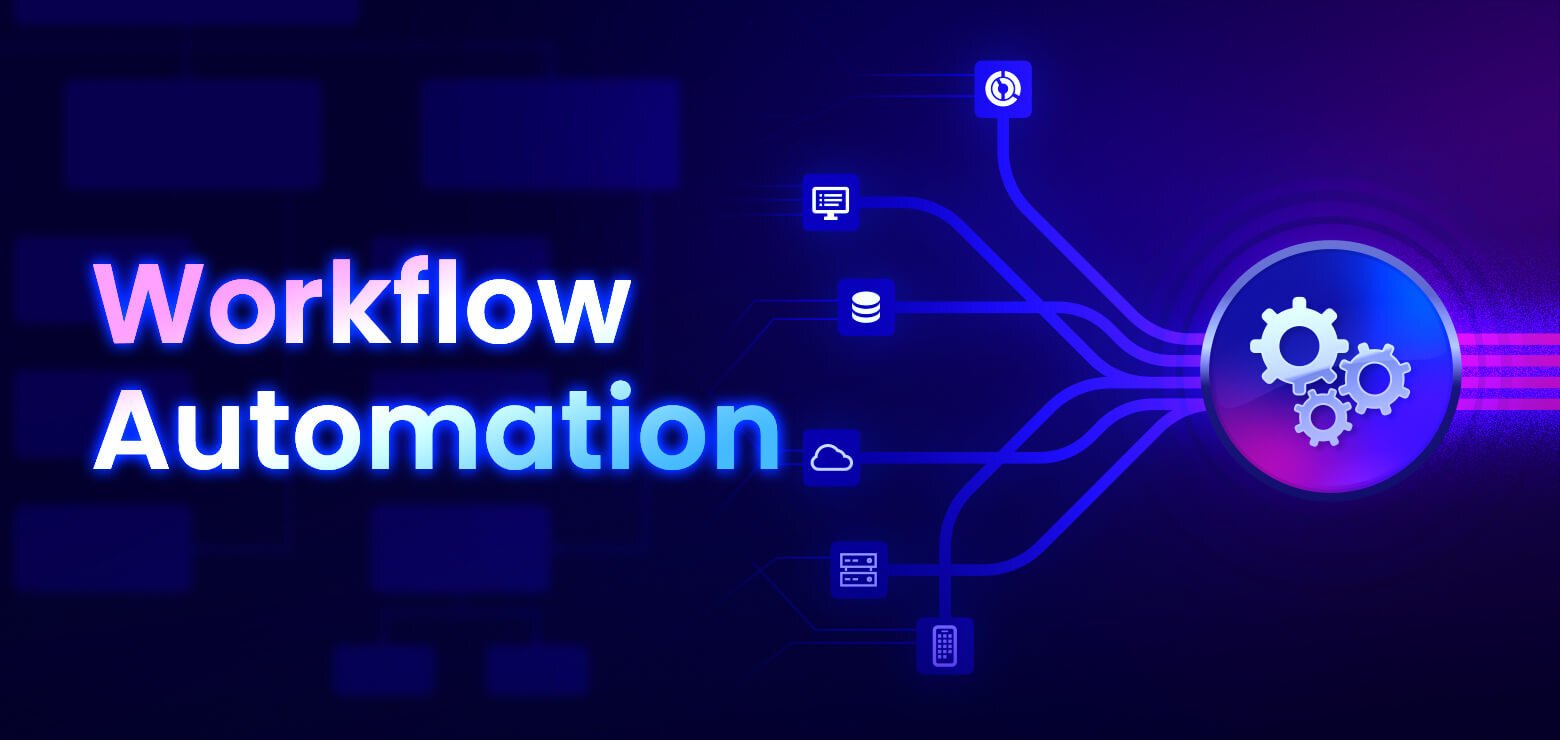
The concept of manufacturing paperless workflow automation refers to the systematic replacement of manual, paper-driven processes with digital workflows that capture, route, and store operational data automatically. This is not the same as simply scanning documents or using spreadsheets instead of printed forms. True workflow automation changes the sequence of how tasks are initiated, approved, escalated, and completed — removing the dependency on physical documents at each step.
A well-structured approach to manufacturing paperless workflow automation addresses the entire document lifecycle within a production environment — from how a work order is generated to how it is reviewed, acted upon, and archived. When implemented properly, it creates a traceable, consistent record of operations that is accessible in real time and does not depend on any single person’s filing habits or availability.
It is worth clarifying what this framework does not include. Automation in this context does not mean robotic process automation applied to machines on the production line. It refers specifically to the administrative and operational documentation that surrounds manufacturing activity — the information layer that sits above the physical process.


The Difference Between Digitization and Automation
Many facilities make the mistake of treating digitization and automation as interchangeable. Digitization means converting existing paper documents into digital files — a PDF instead of a printed form, a digital signature instead of a handwritten one. Automation goes further by removing the need for manual handoffs entirely. When a production checklist is completed on a tablet and the system automatically notifies the quality inspector and updates the batch record without any human routing the document, that is automation. When someone scans a form and emails it to a supervisor, that is digitization with an extra step. The distinction matters because facilities that stop at digitization often find they have replicated the inefficiencies of paper in a digital format.
Mapping Current Workflows Before Building New Ones
Before any technology is selected or deployed, a facility must understand how work actually moves through its current environment. This means documenting existing processes as they function in practice, not as they are described in procedure manuals. In many manufacturing settings, the real workflow diverges significantly from the documented one — people have developed informal shortcuts, approval chains have been modified informally, and certain steps are skipped under production pressure.
Workflow mapping at this stage should involve direct observation on the floor, structured conversations with operators and supervisors, and a review of which documents are generated, who receives them, and what decisions depend on them. The goal is to identify where information is lost, delayed, duplicated, or inconsistently recorded. These are the pressure points that automation will need to address first.
Identifying High-Impact Document Categories
Not all paper-based processes carry the same risk or offer the same return when automated. In a manufacturing context, the highest-impact categories are typically those tied to regulatory compliance, production quality, and equipment maintenance. Work orders, non-conformance reports, inspection checklists, preventive maintenance logs, and material traceability records all share a common characteristic: errors or delays in these documents have downstream consequences that can affect product quality, safety, or audit readiness. Starting automation in these areas produces measurable improvement quickly and builds the internal case for broader rollout.
Selecting the Right Platform for the Environment
Choosing software for manufacturing paperless workflow automation is not primarily a technology decision — it is an operational one. The platform must fit the physical and organizational realities of the facility. A system designed for office knowledge workers often fails in a production environment where operators are working at machines, wearing gloves, or managing high-volume tasks with limited time for data entry.
Key considerations include how the interface performs on shop floor devices, whether it functions reliably in environments with inconsistent network connectivity, how easily non-technical staff can complete forms without extensive training, and whether the system integrates with existing ERP or quality management infrastructure. The International Organization for Standardization, through its ISO 9001 quality management framework, provides guidance on documentation control requirements that any platform deployed in a regulated manufacturing environment must be capable of supporting.
Integration with Existing Systems
A paperless workflow platform that operates in isolation creates a new silo rather than solving an existing one. For automation to function effectively, the workflow system must exchange data with the production planning system, the maintenance management platform, and the quality database. When a work order is approved in one system, that status should be visible in the others without manual re-entry. When a non-conformance is recorded, it should automatically trigger the relevant quality review process and update inventory or production records accordingly. Integration is what transforms a digital form tool into an actual workflow system.
Structuring the Rollout to Protect Operational Continuity
One of the most common failure modes in automation projects is attempting to transition too much at once. In a manufacturing environment, operational continuity is not a secondary concern — it is the primary constraint. A rollout plan that disrupts production, creates confusion on the floor, or generates data inconsistencies during the transition can set back adoption for months and damage confidence in the system before it has had time to prove its value.
A phased approach, starting with one process or one area of the facility, allows the team to identify configuration gaps, address training needs, and refine the workflow design before scaling. It also creates internal champions — operators and supervisors who have successfully used the system and can support their peers during broader rollout phases. This is a more reliable path to full adoption than a facility-wide cutover.
Training That Reflects Real Working Conditions
Training for paperless systems in manufacturing must be designed around how people actually work, not around how the software is built. Classroom-style training on a system that workers will use on a moving production line, under time pressure, produces limited retention. More effective approaches involve role-specific training that focuses only on the tasks each person performs, practice sessions conducted in the actual work environment, and reference materials available at the point of use. Supervisors need particular attention, since their role in approving and escalating workflows makes them central to whether the system functions as designed or becomes a bottleneck.
Maintaining Data Integrity and Audit Readiness
The value of manufacturing paperless workflow automation is directly tied to the quality of the data it produces. A digital record that is incomplete, inconsistently filled out, or not properly timestamped provides less assurance than a carefully maintained paper record. This means that system configuration must enforce data quality at the point of entry — required fields, validation rules, and user authentication — rather than relying on downstream review to catch errors.
Audit readiness is particularly important in industries subject to regulatory oversight. Automated workflows create a complete, time-stamped log of who completed each step, when, and what the result was. This audit trail is more reliable than a paper record and, when the system is properly configured, satisfies the documentation control requirements of most quality management standards. However, the trail is only as useful as the underlying process design. If the workflow allows steps to be bypassed or records to be edited without a documented reason, the audit trail loses its integrity.
Managing Change Control as Processes Evolve
Manufacturing processes are not static. Products change, equipment is replaced, regulatory requirements are updated, and production methods are revised. A paperless workflow system must be able to accommodate these changes without requiring a full reconfiguration or creating version control problems. Establishing a formal change control process for workflow updates — where changes are reviewed, tested, and documented before deployment — protects the integrity of historical records and ensures that active workflows remain aligned with current approved procedures.
Measuring Progress and Sustaining the Transition
The transition to paperless workflows is not complete when the software is deployed. It is complete when the paper-based fallbacks have been retired, staff are consistently using the system correctly, and the quality of captured data is sufficient to support operational and compliance decisions. Reaching that point requires ongoing measurement and correction.
Useful indicators include the rate at which workflows are completed on time versus escalated, the frequency of incomplete or erroneous records, and the time elapsed between process steps that previously relied on manual handoffs. These metrics reveal where the system is functioning well and where process design or training needs adjustment. Regular review of these indicators in the months following deployment is what sustains the gains from the initial implementation.
Conclusion
Implementing paperless workflow automation in a manufacturing environment is a significant operational undertaking, but it is a manageable one when approached with the right structure. The foundation is an honest understanding of how work currently moves through the facility. The architecture is a platform that fits real working conditions and integrates with existing systems. The execution is a phased rollout that protects continuity and builds genuine adoption. And the long-term value comes from maintaining data integrity and treating the system as a living tool that evolves with the operation.
Facilities that invest the time to get this framework right find that the benefits extend well beyond reducing paper costs. They gain clearer visibility into production status, more reliable compliance documentation, faster response to quality events, and a foundation for further operational improvement. The shift from paper to automated digital workflows is, at its core, a shift in how reliably a facility can know what is happening within its own walls — and act on that knowledge without delay.