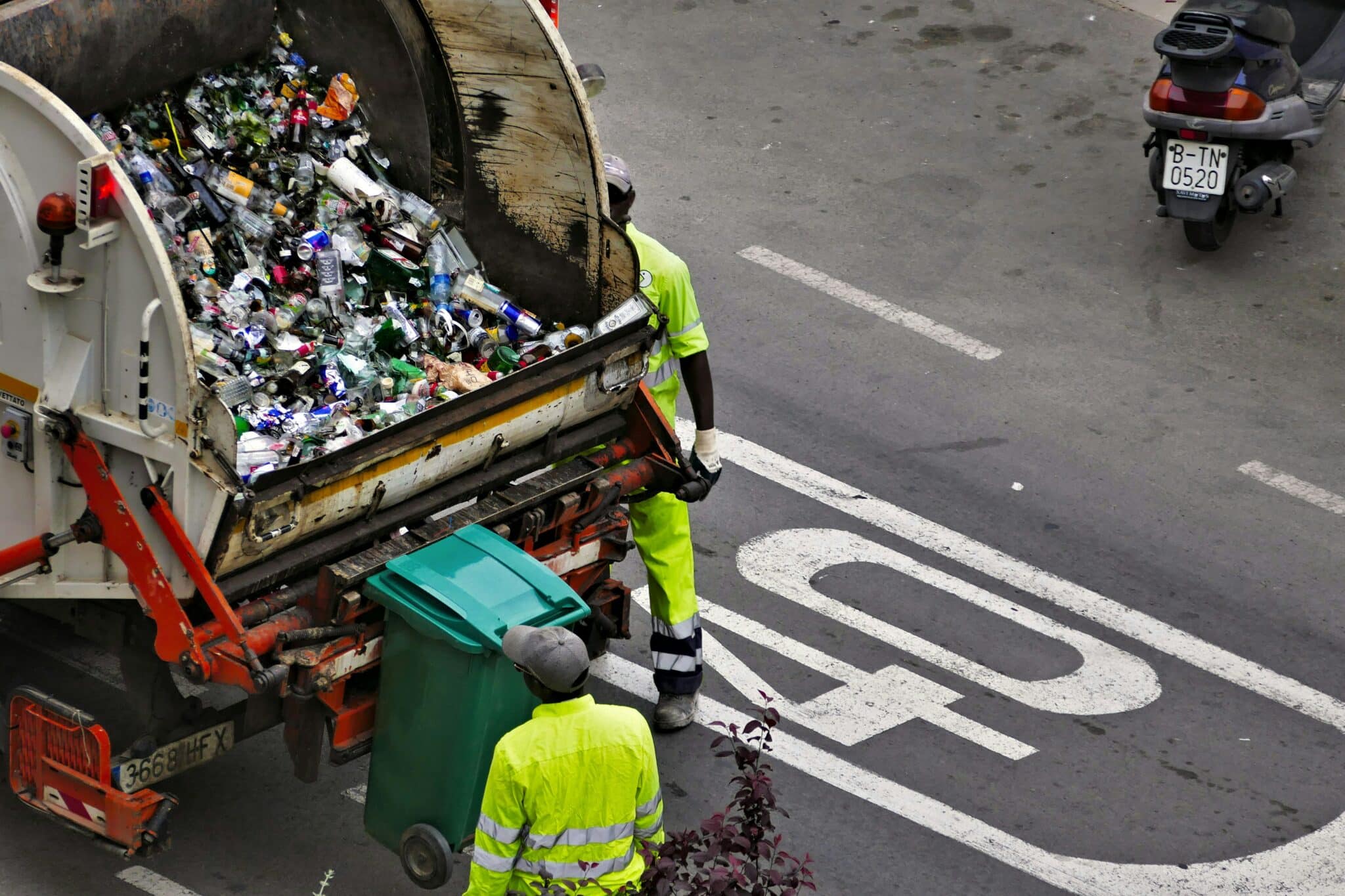
Waste removal is an essential aspect of modern living, ensuring that our homes, businesses, and communities remain clean, safe, and environmentally sustainable. In a world where consumption is at an all-time high, the generation of waste has become inevitable. From household trash to industrial byproducts, effective waste management plays a crucial role in preventing pollution, conserving resources, and promoting public health. This article delves into the intricacies of waste removal, exploring its importance, various methods, and the role of professional services in streamlining the process.
As urbanization accelerates and populations grow, the need for reliable waste removal solutions has never been more pressing. According to recent environmental reports, global waste production is expected to rise by 70% by 2050 if current trends continue. This underscores the urgency for individuals and organizations to adopt efficient waste removal practices. Whether you’re a homeowner dealing with renovation debris or a business owner managing commercial waste, understanding the fundamentals can help you make informed decisions.
In this comprehensive guide, we’ll cover everything from the basics of waste classification to advanced recycling techniques. We’ll also highlight how companies like Waste Removal USA are revolutionizing the industry with their customer-centric approaches, making waste disposal hassle-free and eco-friendly.
Table of Contents
Environmental Impact and Sustainability
Proper waste removal is not just about tidying up; it’s a vital component of environmental stewardship. Improper disposal can lead to soil contamination, water pollution, and the release of harmful greenhouse gases like methane from landfills. By prioritizing efficient waste removal, we can mitigate these effects and contribute to a healthier planet.
For instance, recycling and composting divert waste from landfills, reducing the carbon footprint associated with decomposition. Studies from environmental agencies indicate that effective waste management can cut global greenhouse gas emissions by up to 20%. This is particularly relevant in urban areas where space for landfills is limited, and the focus shifts toward sustainable alternatives like waste-to-energy programs.



Health and Safety Considerations
Waste accumulation poses significant health risks, attracting pests such as rodents and insects that can spread diseases. Hazardous materials, if not handled correctly, can cause respiratory issues, skin irritations, or even long-term health problems. Professional waste removal ensures that these risks are minimized through safe handling and disposal protocols.
In residential settings, regular waste pickup prevents overflow and maintains hygienic living conditions. For businesses, compliance with health regulations is non-negotiable, as violations can result in hefty fines or operational shutdowns. Emphasizing safety in waste removal not only protects individuals but also fosters community well-being.
Economic Benefits
Beyond environmental and health advantages, efficient waste removal offers economic perks. Businesses can save on disposal costs by optimizing waste streams through segregation and recycling. Governments and municipalities benefit from reduced landfill maintenance expenses, allowing funds to be redirected toward infrastructure development.
On a larger scale, the waste management industry creates jobs in collection, processing, and recycling sectors. In the United States alone, this industry employs millions and contributes billions to the economy. Investing in modern waste removal technologies can further enhance efficiency, leading to cost savings and innovation-driven growth.
Types of Waste and Their Management
Household Waste
Household waste, often referred to as municipal solid waste, includes everyday items like food scraps, packaging, and paper. Managing this type requires a combination of curbside collection, recycling programs, and composting initiatives.
Subheadings under this could include organic vs. inorganic waste. Organic waste, such as kitchen leftovers, can be composted to create nutrient-rich soil amendments. Inorganic items like plastics and metals should be sorted for recycling to prevent them from ending up in landfills. Many cities now offer color-coded bins to simplify this process, encouraging higher participation rates among residents.
Commercial and Industrial Waste
Commercial waste from offices, retail stores, and restaurants often includes paper, cardboard, and food waste. Industrial waste, on the other hand, might involve chemicals, metals, or manufacturing byproducts, which require specialized handling due to their potential hazards.
For commercial entities, implementing waste audits can identify reduction opportunities, such as switching to reusable materials. Industrial facilities must adhere to strict regulations, often employing on-site treatment systems or partnering with certified disposal services to ensure compliance.
Hazardous Waste
Hazardous waste encompasses materials that are toxic, flammable, corrosive, or reactive. Examples include batteries, paints, solvents, and electronic waste (e-waste). Proper removal is critical to avoid environmental disasters.
Disposal methods for hazardous waste typically involve secure containment and transportation to licensed facilities for treatment or incineration. Public awareness campaigns have increased recycling rates for e-waste, with programs recovering valuable metals like gold and copper.
Construction and Demolition Debris
Generated from building projects, this waste includes concrete, wood, metals, and drywall. Recycling these materials not only reduces landfill use but also conserves natural resources.
Innovative practices like deconstruction—carefully dismantling structures to salvage reusable components—are gaining traction. This approach minimizes waste and can provide tax incentives for donated materials.
Methods and Technologies in Waste Removal
Traditional Collection and Disposal
The most common method involves scheduled pickups by municipal services or private haulers. Trucks collect waste from bins and transport it to landfills or transfer stations.
While effective, this method faces challenges like traffic congestion and fuel consumption. To address these, route optimization software uses GPS and data analytics to streamline collections, reducing emissions and costs.
Recycling and Resource Recovery
Recycling transforms waste into new products, conserving energy and raw materials. For example, recycling aluminum saves 95% of the energy needed to produce it from ore.
Advanced sorting technologies, such as optical scanners and AI-driven systems, enhance recycling efficiency by automatically separating materials. Community recycling centers play a key role in educating the public and increasing recovery rates.
Composting and Organic Waste Processing
Composting converts organic waste into compost through natural decomposition. Backyard composting is ideal for households, while large-scale facilities handle municipal organics.
Anaerobic digestion, a technology that breaks down organics in oxygen-free environments, produces biogas for energy. This method is particularly useful for food waste from restaurants and farms, turning a liability into a renewable resource.
Waste-to-Energy Innovations
Waste-to-energy (WTE) plants incinerate non-recyclable waste to generate electricity or heat. Modern facilities incorporate pollution controls to minimize emissions, making them a viable alternative to landfills.
In Europe, WTE is widely adopted, with countries like Sweden importing waste to fuel their plants. Emerging technologies like plasma gasification offer even cleaner conversion by vaporizing waste at high temperatures.
Benefits of Hiring Professional Waste Removal Services
Expertise and Compliance
Professional services bring specialized knowledge, ensuring waste is handled in accordance with local, state, and federal regulations. This is especially important for hazardous or bulky items that require specific protocols.
Companies in this field invest in training and equipment, reducing the risk of accidents and environmental harm. For businesses, outsourcing waste removal allows focus on core operations while maintaining compliance.
Convenience and Efficiency
Hiring professionals eliminates the hassle of self-hauling waste to dumpsites. Services often provide dumpsters or roll-off containers tailored to project needs, with flexible scheduling.
For large-scale cleanouts, such as estate clearances or construction sites, professionals can handle volumes that would overwhelm individuals. This efficiency translates to time savings and reduced physical strain.
Cost-Effectiveness and Customization
While DIY disposal might seem cheaper, hidden costs like fuel, permits, and equipment rentals add up. Professional services offer transparent pricing and can optimize waste streams to lower overall expenses.
Customization is another advantage; providers assess client needs and recommend solutions like frequent pickups for high-waste generators or one-time hauls for events.
Spotlight on Waste Removal USA
When it comes to reliable and eco-conscious waste removal, Waste Removal USA stands out as a leader in the industry. Specializing in dumpster rentals and junk removal across the United States, they offer a range of container sizes to suit residential, commercial, and construction needs. Their commitment to sustainability includes promoting recycling and responsible disposal practices, helping clients minimize their environmental impact.
What sets Waste Removal USA apart is their customer-focused approach, with easy online booking, competitive pricing, and prompt delivery. Whether you’re tackling a home renovation or managing ongoing business waste, their services ensure a seamless experience. By choosing providers like Waste Removal USA, you’re not just removing waste—you’re investing in a greener future.
Challenges in Waste Removal and Solutions
Common Obstacles
One major challenge is contamination in recycling streams, where non-recyclables ruin batches. Public education is key to addressing this, with campaigns explaining proper sorting.
Another issue is illegal dumping, which burdens communities with cleanup costs. Enforcement through surveillance and penalties, combined with accessible disposal options, can deter such behavior.
Innovative Solutions
Technology is transforming waste removal. Smart bins equipped with sensors notify collectors when full, optimizing routes and reducing overflows. Drones and AI are being explored for monitoring landfills and detecting hazards.
Policy-wise, extended producer responsibility (EPR) laws hold manufacturers accountable for product end-of-life, encouraging design for recyclability.
Community Involvement
Grassroots efforts, like neighborhood cleanups and school programs, foster a culture of responsibility. Partnerships between governments, NGOs, and businesses amplify these initiatives, leading to broader adoption of best practices.
Future Trends in Waste Removal
Circular Economy Adoption
The shift toward a circular economy emphasizes reuse, repair, and recycling over linear consumption. This model minimizes waste by keeping materials in use longer.
Industries are redesigning products for disassembly, facilitating easier recycling. Governments are supporting this through incentives and regulations.
Technological Advancements
AI and machine learning will further automate sorting and prediction of waste generation patterns. Blockchain could track waste from source to disposal, ensuring transparency and accountability.
Electric and autonomous vehicles for collection will reduce emissions, aligning with global sustainability goals.
Global Perspectives
Developing countries face unique challenges like informal waste sectors. International collaborations can provide technology transfers and funding for infrastructure.
In the U.S., initiatives like zero-waste cities aim for 90% diversion from landfills by 2030, setting ambitious benchmarks.
Conclusion: Embracing Responsible Waste Removal
Efficient waste removal is more than a chore—it’s a commitment to sustainability, health, and economic vitality. By understanding waste types, adopting modern methods, and leveraging professional services like those from Waste Removal USA, we can all contribute to a cleaner world.
As we look ahead, embracing innovation and community action will be key to overcoming challenges. Start today by assessing your waste habits and making small changes; the collective impact can be profound. Remember, every piece of waste properly managed is a step toward a brighter, greener future.