In heavy industries like mining, construction, and power generation, reliable power isn’t just important—it’s the backbone of profitability. A single hour of unexpected downtime can cost thousands in lost productivity, while inefficient fuel consumption steadily erodes profit margins. Business owners face a critical challenge: choosing an engine that delivers not just immediate performance, but sustainable long-term value. The decision extends far beyond the initial purchase price, encompassing fuel costs, maintenance expenses, and operational reliability over years of demanding service. The CAT C15 engine has emerged as a leading contender in this competitive landscape, earning a reputation for dependability in the world’s toughest working conditions. This article examines whether the CAT C15 represents a sound investment for your business by analyzing its core benefits, real-world reliability, fuel efficiency advantages, and maintenance requirements. By understanding these factors, you’ll gain the clarity needed to make a cost-effective decision that supports your operational goals and financial sustainability.
Table of Contents
Understanding the CAT C15: A Heavy-Duty Powerhouse
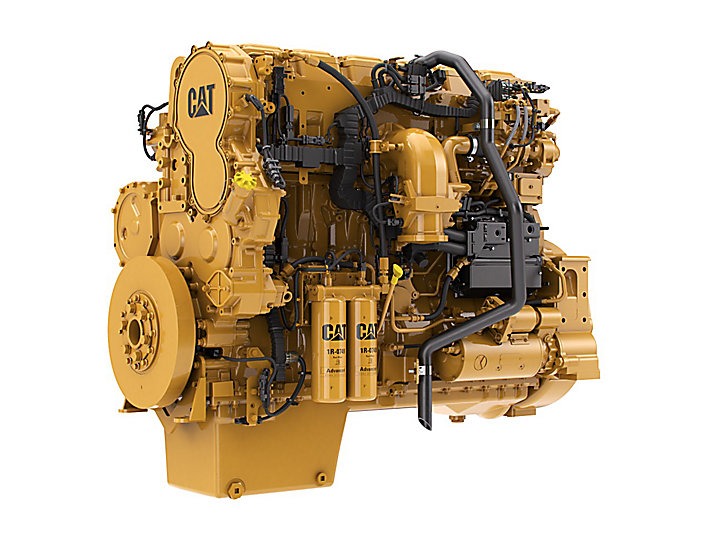
The CAT C15 engine represents Caterpillar’s engineering commitment to industrial-grade power solutions. Introduced in the late 1990s as part of the ACERT technology lineup, this inline six-cylinder diesel engine delivers power outputs ranging from 435 to 625 horsepower, with torque ratings reaching up to 2,050 lb-ft. Its 15.2-liter displacement provides the substantial power density required for heavy equipment applications. The C15 has become a workhorse across multiple sectors: powering haul trucks in remote mining operations, driving hydraulic systems in excavators and dozers, and serving as the primary mover in on-highway trucks and stationary generator sets. This versatility stems from its modular design philosophy, allowing configuration for specific duty cycles while maintaining core reliability. Caterpillar engineered the C15 with reinforced engine blocks, heavy-duty crankshafts, and advanced cooling systems specifically to withstand continuous operation under extreme loads and harsh environmental conditions. For business owners, this translates to an engine designed not for occasional use, but as a cornerstone asset capable of supporting operations through multiple service cycles. The C15’s widespread adoption across industries reflects its proven ability to meet the fundamental business requirement: dependable power that keeps revenue-generating equipment operational day after day, year after year.
Evaluating the Core CAT C15 Benefits for Your Bottom Line
For business owners evaluating power solutions, the CAT C15 delivers advantages that directly impact profitability and operational continuity. Beyond raw horsepower specifications, this engine’s value proposition centers on three interconnected benefits that address the most pressing concerns of heavy equipment operators. First, its exceptional reliability minimizes the costly disruptions that plague operations dependent on continuous power availability. Second, its fuel efficiency addresses one of the largest variable costs in equipment operation, delivering measurable savings that accumulate significantly over the engine’s service life. Third, its proven durability extends operational lifespan, reducing the frequency of major capital expenditures for replacements. These benefits work synergistically: reliable operation prevents emergency repairs that compound costs, while efficient fuel consumption and extended service intervals reduce both direct expenses and administrative overhead. The C15’s widespread parts availability through Caterpillar’s global dealer network further enhances its practical value, ensuring that necessary components reach your operation quickly, whether you’re running equipment in established industrial centers or remote project sites. Understanding these core advantages provides the foundation for assessing whether the C15 aligns with your business’s operational demands and financial objectives.
Unmatched Heavy-Duty Engine Reliability and Durability
The CAT C15’s construction prioritizes longevity through engineering choices that withstand punishing duty cycles. Its cast-iron engine block provides exceptional structural integrity, resisting the thermal stress and vibration inherent in continuous heavy-load operation. The forged steel crankshaft and connecting rods handle extreme torque loads without premature fatigue, while the advanced cooling system maintains optimal operating temperatures even during sustained peak power demands. This robust architecture translates directly to business value through reduced unplanned downtime. Mining operations report C15 engines routinely exceeding 15,000 operating hours between major overhauls when properly maintained, with some units surpassing 20,000 hours in well-managed fleets. For business owners, this reliability means fewer emergency service calls, reduced lost production during critical project phases, and predictable maintenance scheduling that supports efficient resource allocation. The financial impact extends beyond avoiding downtime costs—reliable engines maintain resale value better, protecting your asset investment when equipment eventually cycles out of your fleet.
Superior Fuel Efficiency: Reducing Operational Costs
Fuel represents one of the largest ongoing expenses in heavy equipment operation, making the C15’s efficiency a significant competitive advantage. Caterpillar’s ACERT technology optimizes combustion through precise electronic fuel injection timing and advanced air management systems, extracting maximum work from each gallon while meeting emissions standards. The engine’s variable valve actuation adjusts to load conditions in real-time, preventing fuel waste during partial-load operation common in many construction and material handling applications. Independent fleet data shows the C15 typically consumes 8-12% less fuel than comparable engines in similar duty cycles. For a single piece of equipment operating 4,000 hours annually, this efficiency differential can translate to savings exceeding $15,000 per year at current diesel prices. Across a fleet of multiple units, these savings compound substantially, directly improving operating margins. The C15’s fuel efficiency also reduces refueling frequency, cutting associated labor costs and minimizing operational interruptions—a practical benefit particularly valuable in remote operations where fuel logistics present significant challenges.

Cost-Effectiveness Analysis: Is the CAT C15 a Smart Investment?
For business owners, determining whether the CAT C15 justifies its investment requires examining Total Cost of Ownership rather than focusing solely on acquisition price. While the C15 typically commands a premium over competing engines—often 15-20% higher initially—this upfront differential becomes negligible when analyzed across the engine’s operational lifespan. The financial equation shifts dramatically when factoring fuel savings, reduced maintenance frequency, and minimized downtime costs. A comprehensive TCO analysis reveals that over a typical 10-year service life, the C15’s superior fuel efficiency alone can recover much of the initial price premium, with some fleet operators reporting payback within 18-24 months of intensive use. Maintenance costs remain predictable due to the engine’s reliability and Caterpillar’s transparent service schedules, allowing accurate budget forecasting without surprise repair expenses that plague less robust alternatives. The C15’s strong resale value provides additional financial protection—well-maintained units retain 40-50% of original value even after extensive service hours, significantly higher than many competitors. When evaluating this investment, consider your operational intensity: businesses running equipment in continuous duty cycles, remote locations with high downtime penalties, or applications where fuel represents a substantial cost component will realize the greatest return. The C15 represents a strategic asset purchase rather than a commodity transaction, delivering financial returns through operational efficiency rather than lowest initial cost.
Ensuring Optimal Performance: CAT C15 Engine Maintenance Guide
Routine Maintenance Schedule and Best Practices
Establishing a disciplined maintenance routine forms the foundation for maximizing your CAT C15’s service life and protecting your investment. Engine oil and filter changes should occur every 500 operating hours or as indicated by oil analysis programs, using only Caterpillar-specified lubricants that meet the engine’s demanding performance standards. Coolant system maintenance requires checking levels weekly and performing complete system flushes every 3,000 hours to prevent corrosion and maintain optimal heat transfer. Air filter service intervals depend on operating environment—dusty conditions may require inspection every 250 hours versus 500 hours in cleaner settings. Fuel system water separators need draining daily in high-humidity environments to prevent injector damage. Document every service action with dates, hours, and technician notes to establish maintenance history that supports warranty claims and enhances resale value when equipment changes hands.
Diagnosing Common Issues and Proactive Care
Early detection prevents minor issues from escalating into catastrophic failures that sideline equipment during critical operations. Monitor exhaust smoke color during startup and operation—excessive black smoke indicates fuel system problems, while blue smoke suggests oil consumption issues requiring immediate attention. Track any power loss, unusual vibrations, or changes in operating temperature through your equipment’s diagnostic systems. The C15’s electronic control module logs fault codes that trained technicians can interpret to pinpoint developing problems before complete failure occurs. Always specify genuine Caterpillar replacement parts rather than aftermarket alternatives—counterfeit components may offer initial cost savings but frequently fail prematurely, voiding warranties and causing secondary damage to surrounding systems. Establish relationships with certified CAT dealers who maintain proper diagnostic equipment and factory-trained technicians capable of performing complex repairs to manufacturer specifications. For businesses sourcing diesel engine components, suppliers like GRT provide access to quality parts that meet industry specifications, though verifying compatibility with your specific engine model remains essential before installation.
Solution: Implementing a Proactive Maintenance Plan
Transform maintenance from reactive crisis management to strategic asset protection through systematic planning. First, create a digital maintenance tracking system that records every service action, operating hours at service, and parts replaced—many fleet management software solutions integrate directly with equipment telematics for automated tracking. Second, schedule quarterly inspections with certified technicians who perform comprehensive diagnostics beyond routine servicing, identifying wear patterns before they cause failures. Third, budget annually for planned major overhauls based on projected operating hours, setting aside funds proportionally rather than facing unexpected capital demands. Finally, train your operators to perform daily walkaround inspections checking fluid levels, visual leaks, and belt condition—operator vigilance catches 60% of developing issues before they require emergency service calls.
Making the Right Power Investment Decision
The CAT C15 engine delivers compelling value for business owners operating in demanding industrial environments where power reliability directly impacts profitability. Its exceptional durability minimizes costly downtime, while superior fuel efficiency generates measurable savings that accumulate substantially over the engine’s extended service life. Though the C15 commands a higher initial investment than some alternatives, comprehensive Total Cost of Ownership analysis reveals that its operational advantages—reduced maintenance frequency, predictable service costs, and strong resale value—typically offset the purchase premium within the first years of intensive use. For businesses in mining, construction, and power generation where equipment availability is non-negotiable and fuel represents a major expense category, the C15’s proven track record justifies its position as a strategic asset rather than a commodity purchase. However, the engine’s value proposition strengthens with operational intensity—organizations running equipment in continuous duty cycles or remote locations will realize greater returns than those with intermittent use patterns. Ultimately, the decision requires honest assessment of your specific operational demands, maintenance infrastructure capabilities, and financial planning horizon. By weighing these factors against the C15’s documented performance advantages, you can determine whether this heavy-duty powerhouse aligns with your business’s growth objectives and long-term operational stability requirements.