As you approach retirement, it’s natural to want to make sure your lifestyle stays comfortable and secure. While most people focus on retirement savings like 401(k)s and pensions, there’s another major asset many retirees overlook: the value in their homes. Over the years, you’ve likely paid down your mortgage and built up equity, which could be a valuable resource in your retirement. In this post, we’ll talk about different ways you can tap into your home equity to enhance your retirement lifestyle, giving you more financial freedom to enjoy your golden years without worrying about money.
Table of Contents
1. What is Home Equity and How Can You Use It?
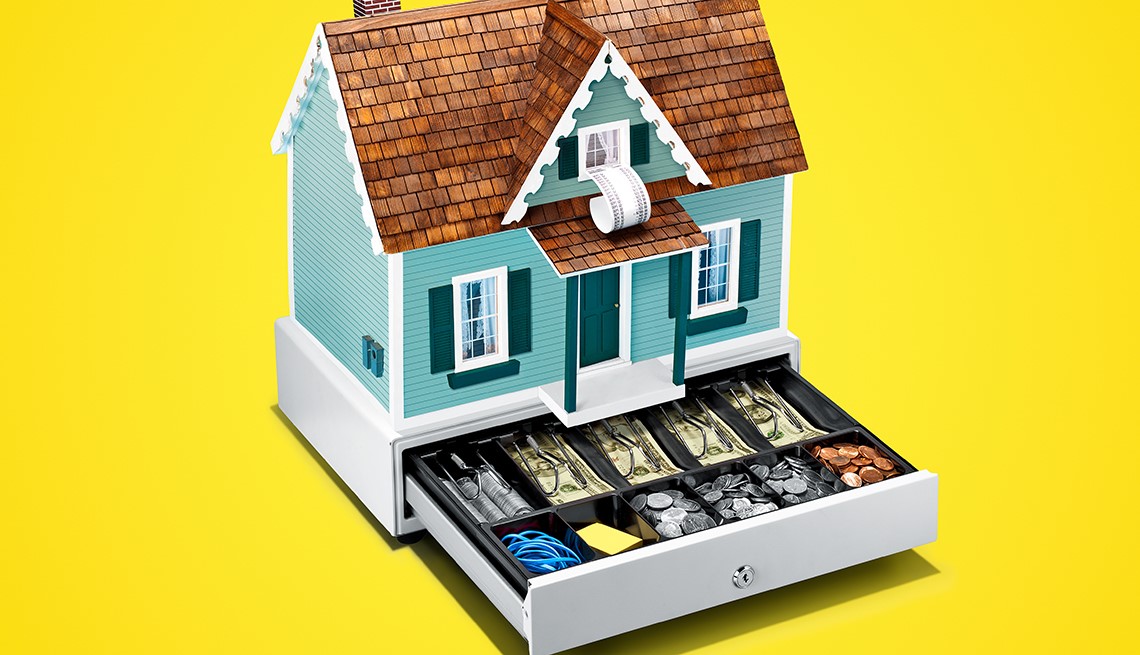
Home equity is simply the difference between the current market value of your home and what you still owe on your mortgage. Over time, as you pay down your mortgage, your equity grows, turning your home into a valuable asset. If you’ve owned your home for years, you’ve probably built up a significant amount of equity, and now it’s time to think about how you can put that value to work for you in retirement. There are several ways you can access your home equity, each with its own set of pros and cons. The right choice for you depends on your financial situation, your retirement goals, and how much risk you’re comfortable with. Let’s dive into some of the most popular options.
2. Downsizing: Sell Your Home and Unlock Cash
If you’re ready for a change or have an empty nest, downsizing could be a great option. Selling your current home and purchasing a smaller one can free up a significant amount of cash, which can be used for other expenses, travel, or even investments. Downsizing also means you may have lower monthly expenses, like property taxes and utilities. A smaller home could also be easier to maintain, which is a nice bonus if you don’t want to deal with constant repairs or upkeep.
If downsizing isn’t the right option for you, another way to tap into your home equity without selling your home is through a reverse mortgage. This option allows you to convert part of the equity in your home into cash, which you can receive as a lump sum, monthly payments, or a line of credit. Unlike a traditional loan, you don’t have to make monthly payments with a reverse mortgage. The loan is repaid when you sell your home, move out, or pass away. This can provide you with additional funds to cover expenses, improve your lifestyle, or help with healthcare costs while you remain in your home.
3. Home Equity Loan or HELOC
Another option for tapping into your home equity is through a home equity loan or a Home Equity Line of Credit (HELOC). With a home equity loan, you receive a lump sum of cash, while a HELOC gives you a line of credit to borrow against as needed. Both options come with a fixed or variable interest rate, and you’ll need to make monthly payments, unlike a reverse mortgage. A home equity loan or HELOC could be ideal if you need cash for a specific purpose, like home repairs or paying off high-interest debt. But keep in mind, these loans require monthly payments, so they may not be the best option if you’re looking to minimize expenses in retirement.




4. Renting Out Part of Your Home
If you’re not ready to downsize but still want to generate extra income, renting out part of your home might be a great option. Whether it’s a spare bedroom, a basement apartment, or a guest suite, renting out space can provide you with a steady income stream without having to sell your home. This is a good option if you have extra space that you’re not using, and it can help cover costs like property taxes, maintenance, or even fun retirement activities. Of course, being a landlord does come with some responsibilities, so it’s important to weigh the pros and cons before deciding if this is the right choice for you.
5. Investing in Home Improvements
If you want to stay in your current home and make it more comfortable, investing in home improvements can be a great way to enhance your lifestyle. Many retirees are making their homes more accessible by adding features like ramps, wider doorways, or a main-floor bathroom. These kinds of improvements make life easier and can also increase the value of your home if you decide to sell in the future. Even smaller updates, like remodeling the kitchen or upgrading to energy-efficient appliances, can make a big difference in how you enjoy your space. Plus, they can improve your home’s resale value if you ever decide to sell later.
6. Is Tapping Into Your Home Equity the Right Choice?
Ultimately, the decision to tap into your home equity depends on your unique financial situation and goals. Downsizing, renting out space, or taking out a home equity loan can all provide additional income, but they come with their own set of considerations. It’s a good idea to talk with a financial advisor who can help you understand your options and determine the best way to unlock the value in your home. Your home is one of your most valuable assets, so it’s important to make sure you’re using it wisely to support your retirement goals.
Conclusion
Your home equity can be a valuable resource that gives you more freedom and flexibility in retirement. Whether you downsize, rent out part of your home, or invest in home improvements, there are plenty of ways to use your home’s value to improve your lifestyle. The key is to consider your financial needs, your long-term goals, and what will make you the happiest in retirement. No matter which option you choose, using your home equity wisely can help ensure that your retirement is enjoyable and stress-free.