Solar panel installations in Riverside County represent significant financial commitments for homeowners, typically ranging from $20,000 to $40,000 for residential systems. The region’s abundant sunshine and supportive state policies make solar energy an attractive investment, but the installation process itself carries substantial risks when not executed properly. Poor installation practices can lead to expensive repairs, system failures, and safety hazards that far exceed the initial savings homeowners expect to achieve.
The complexity of solar installations involves electrical work, structural modifications, and compliance with local building codes. When contractors cut corners or lack proper expertise, the consequences often don’t surface until months or years later. Roof damage, electrical fires, and system inefficiencies can result in repair costs that dwarf the original installation investment. Understanding the warning signs of substandard installation practices helps homeowners make informed decisions and avoid costly mistakes.
Riverside’s specific climate conditions, including high winds, intense UV exposure, and temperature fluctuations, demand installation techniques that can withstand these environmental stresses over decades of operation. Many installation failures stem from contractors who underestimate these local conditions or apply generic installation methods that prove inadequate for the region’s unique challenges.
Table of Contents
Inadequate Structural Assessment and Roof Preparation
Proper solar panel installation begins with comprehensive structural evaluation of the existing roof system. This assessment determines whether the roof can support the additional weight and stress of solar panels, mounting hardware, and associated equipment over the system’s expected lifespan. A thorough Solar Panel Installation Riverside Ca overview includes detailed structural analysis that many contractors unfortunately skip or perform inadequately.
Structural problems typically manifest as sagging roof sections, cracked rafters, or compromised roof integrity that requires expensive remediation. When contractors fail to identify pre-existing structural weaknesses or miscalculate load-bearing capacity, the added weight of solar panels can accelerate roof deterioration or cause immediate damage. These repairs often require removing the entire solar system, fixing the structural issues, and reinstalling the panels—a process that can cost $15,000 to $25,000.



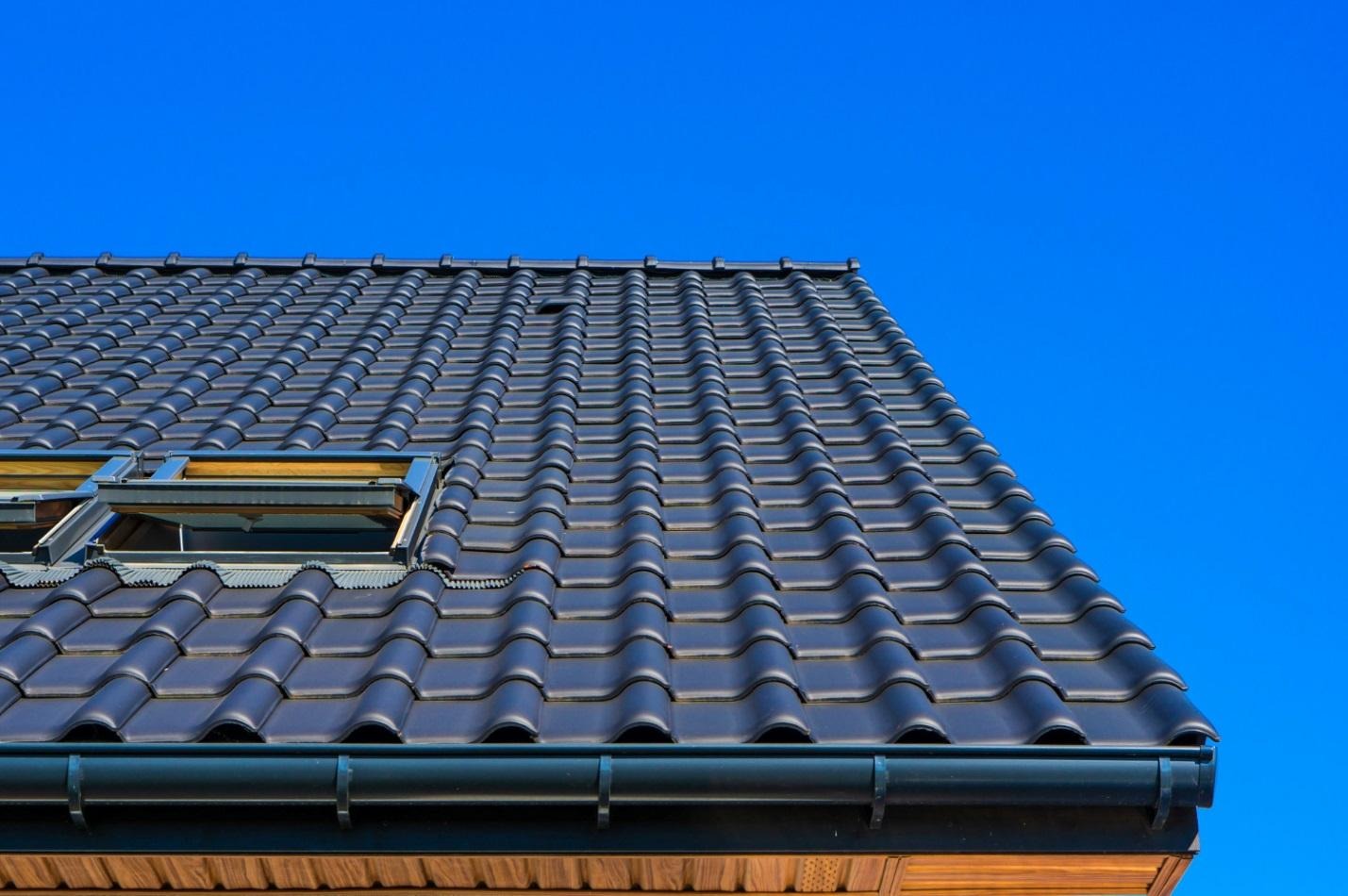
The assessment should include examination of roof age, material condition, and underlying structural components. Roofs approaching the end of their useful life may require replacement before solar installation, but contractors eager to close sales sometimes minimize these concerns or promise that existing roofs will adequately support solar systems without proper verification.
Load Distribution and Mounting Point Analysis
Solar panel mounting systems create concentrated load points on roof structures that differ significantly from the distributed loads roofs typically carry. Each mounting point transfers forces directly to rafters or roof decking, creating stress concentrations that require careful engineering analysis. Contractors who use generic mounting layouts without considering the specific structural characteristics of individual roofs often create weak points that fail over time.
Wind uplift forces represent another critical consideration that inadequate assessments often overlook. Riverside County experiences periodic high winds that can generate substantial uplift forces on solar panels, particularly those mounted on flat or low-slope roofs. Without proper structural analysis and reinforcement, these forces can pull panels loose or damage roof structures.
Professional structural assessment includes verification of rafter spacing, roof decking thickness, and load paths that transfer forces to the building’s foundation. Contractors who skip these steps or rely on visual inspections alone leave homeowners vulnerable to expensive structural failures that may not become apparent until significant damage occurs.
Roof Condition and Material Compatibility
Different roofing materials require specific mounting techniques and sealing methods that generic installation approaches cannot address effectively. Tile roofs, composition shingles, metal roofing, and flat membrane systems each present unique challenges for solar panel installation. Contractors who lack experience with specific roofing types often create penetration and sealing problems that lead to water infiltration and structural damage.
Roof age plays a crucial role in installation success, as aging materials may not provide reliable attachment points or adequate weather sealing around mounting penetrations. Contractors who install solar systems on marginal roofs without addressing underlying condition issues create situations where roof replacement becomes necessary before the solar system reaches its expected payback period.
Electrical Code Violations and Safety Shortcuts
Solar panel installations involve complex electrical work that must comply with National Electrical Code standards and local jurisdiction requirements. Electrical shortcuts create fire hazards, system failures, and compliance issues that can require complete system rewiring to correct. The costs of electrical remediation often exceed $10,000 and may require extended system shutdowns while corrections are completed.
Common electrical violations include improper grounding, inadequate overcurrent protection, and substandard wiring methods that may initially appear functional but create long-term reliability and safety concerns. These problems often surface during routine inspections or when electrical components begin failing due to improper installation practices.
Riverside County’s electrical inspection requirements exist to ensure installation safety and code compliance, but some contractors attempt to expedite projects by taking shortcuts that compromise electrical integrity. The U.S. Department of Energy emphasizes that proper electrical installation forms the foundation of reliable solar system operation and long-term safety.
Grounding and Bonding Deficiencies
Electrical grounding systems protect against electrical faults and lightning strikes by providing safe paths for electrical current to reach ground potential. Solar installations require both equipment grounding and system grounding that must be properly coordinated with existing electrical systems. Inadequate grounding creates shock hazards and increases fire risk while potentially voiding equipment warranties and insurance coverage.
Equipment bonding connects all metallic components of the solar system to prevent voltage differences that could create arc faults or electrical hazards. This includes solar panels, mounting rails, conduit systems, and grounding conductors that must form a continuous electrical path. Contractors who use improper bonding methods or fail to maintain electrical continuity create conditions where electrical faults can cause fires or equipment damage.
Arc fault circuit interrupters and rapid shutdown devices represent additional safety requirements that protect against electrical fires and provide emergency shutdown capability. These devices must be properly selected, installed, and tested to ensure they function correctly when needed. Substandard electrical installations often include inadequate or improperly configured safety devices that fail to provide intended protection.
Conduit and Wiring Installation Problems
Solar system wiring must withstand decades of exposure to UV radiation, temperature cycles, and weather conditions while maintaining electrical integrity. Improper conduit installation, inadequate wire protection, and substandard connection methods create failure points that can interrupt system operation or create fire hazards.
Conduit systems protect wiring from physical damage and environmental exposure while providing organized routing for electrical circuits. Contractors who use inappropriate conduit materials, inadequate support methods, or improper sealing techniques create vulnerabilities that lead to wiring failures and expensive repairs.
DC wiring presents unique challenges compared to traditional AC electrical systems, requiring specialized components and installation techniques. Improper DC connections can create high-resistance joints that generate heat and potentially cause fires, while inadequate wire management can lead to damage from thermal expansion or mechanical stress.
Flashing and Weatherproofing Failures
Water infiltration represents one of the most expensive consequences of poor solar installation practices. Roof penetrations for mounting hardware create potential leak points that must be properly sealed and flashed to maintain weather protection over decades of service. Inadequate weatherproofing can result in extensive water damage that requires roof repairs, interior restoration, and potential mold remediation costing thousands of dollars.
Professional flashing installation involves multiple layers of weather protection that work together to direct water away from penetration points. This includes base flashing, step flashing, and counter flashing that must be properly integrated with existing roofing systems. Contractors who use generic sealing methods or fail to understand proper flashing techniques create leak-prone installations that compromise both roof integrity and interior spaces.
Riverside’s climate includes intense UV exposure and temperature extremes that can cause standard sealants to fail prematurely. Professional installations use UV-stable materials and proven sealing techniques that maintain weather protection throughout the system’s operational life. Substandard weatherproofing often appears adequate initially but fails within the first few years of service.
Penetration Sealing and Material Selection
Each roof penetration requires careful sealing with materials compatible with both the roofing system and mounting hardware. Different roofing materials require specific sealant types and application methods that generic approaches cannot address effectively. Incompatible materials can cause chemical reactions that degrade sealing performance or damage roofing components.
Thermal expansion and contraction create ongoing stress on penetration seals that must be accommodated through proper material selection and installation techniques. Rigid sealing methods that cannot accommodate thermal movement often crack or separate, creating leak paths that worsen over time. Professional installations use flexible sealing systems that maintain integrity despite thermal cycling.
Sealant application techniques significantly impact long-term performance, requiring proper surface preparation, material mixing, and curing conditions. Contractors who rush sealing work or apply sealants under adverse weather conditions often create weak seals that fail prematurely, necessitating expensive remedial work.
Integration with Existing Roof Systems
Solar panel mounting systems must integrate seamlessly with existing roof drainage patterns to avoid creating water collection points or interfering with normal water flow. Poor integration can redirect water flow in ways that overwhelm existing drainage systems or create ponding conditions that lead to leak problems.
Flashing systems must tie into existing roof flashing and drainage components without creating weak points or compromising the overall weather protection system. This requires understanding of roof construction details and drainage design that many solar contractors lack. Improper integration often creates complex leak problems that are difficult to diagnose and expensive to repair.
Permit and Inspection Compliance Issues
Solar installations in Riverside County require building permits and inspections that ensure compliance with local codes and safety standards. Contractors who skip permit processes or fail inspections create compliance problems that can require expensive corrective work and potentially void equipment warranties or insurance coverage. The costs of bringing non-compliant installations up to code often exceed the original installation cost.
Permit applications require detailed plans and specifications that demonstrate compliance with structural, electrical, and fire safety requirements. Contractors who submit inadequate permit documents or attempt to install systems that differ from approved plans create compliance issues that must be resolved before the system can receive final approval for operation.
Inspection failures often reveal installation defects that require significant corrective work to address. Common failure points include electrical violations, structural inadequacies, and fire safety concerns that inspectors identify during required inspections. Systems that fail inspections cannot legally operate until all deficiencies are corrected and re-inspected.
Documentation and Code Compliance
Proper documentation includes detailed installation drawings, equipment specifications, and compliance calculations that demonstrate adherence to applicable codes and standards. This documentation serves as the basis for permit approval and provides reference information for future maintenance or modifications. Inadequate documentation can complicate permit approval and create problems during inspections.
Code compliance involves multiple technical areas including structural loading, electrical safety, fire protection, and accessibility requirements. Each area has specific requirements that must be addressed through proper design and installation practices. Contractors who lack comprehensive understanding of applicable codes often create installations that require expensive modifications to achieve compliance.
Ongoing compliance requirements may include periodic inspections, maintenance documentation, and system performance verification. Installations that cannot demonstrate ongoing compliance may face operational restrictions or insurance coverage issues that impact system value and performance.
System Performance and Equipment Integration Problems
Solar panel systems include multiple components that must work together effectively to achieve expected energy production and system reliability. Poor component selection or integration can result in reduced energy output, premature equipment failures, and expensive system modifications. Performance problems often develop gradually and may not become apparent until energy production falls significantly below projected levels.
Inverter sizing and configuration significantly impact system performance and must be properly matched to solar panel characteristics and electrical system requirements. Mismatched components can reduce energy production, create reliability problems, and void equipment warranties. The cost of replacing or reconfiguring inverter systems can exceed $8,000 for residential installations.
System monitoring and diagnostic capabilities allow homeowners to track energy production and identify performance problems before they become serious. Installations that lack adequate monitoring systems or include improperly configured monitoring equipment make it difficult to identify and address performance issues promptly.
Component Compatibility and System Design
Solar system components must be electrically and mechanically compatible to ensure reliable operation and optimal performance. This includes matching voltage and current characteristics between panels and inverters, selecting appropriate mounting hardware for specific panel types, and ensuring communication compatibility between monitoring and control devices.
System design must account for site-specific conditions including shading patterns, roof orientation, and local climate factors that affect energy production and equipment performance. Generic system designs that ignore these factors often result in disappointing performance and may require expensive modifications to achieve acceptable output levels.
Warranty coverage depends on proper component selection and installation practices that comply with manufacturer requirements. Systems that include incompatible components or violate installation specifications may void equipment warranties, leaving homeowners responsible for repair costs that could otherwise be covered under warranty.
Conclusion
Solar panel installation represents a substantial investment that requires careful contractor selection and thorough attention to installation quality. The red flags discussed above can help Riverside homeowners identify potential problems before they commit to installation contractors who may compromise system reliability and safety. Proper structural assessment, electrical compliance, weatherproofing, permit processes, and system integration form the foundation of successful solar installations that provide decades of reliable service.
The costs of correcting installation defects often exceed the initial installation investment and can eliminate the financial benefits homeowners expect from solar energy systems. Taking time to verify contractor qualifications, review installation plans, and ensure proper permit and inspection compliance protects homeowners from expensive problems that may not surface until years after installation completion.
Professional solar installations require expertise across multiple technical disciplines and thorough understanding of local conditions and requirements. Homeowners who prioritize quality over price and select contractors with proven track records of compliant installations position themselves for successful solar energy experiences that deliver expected financial and environmental benefits.