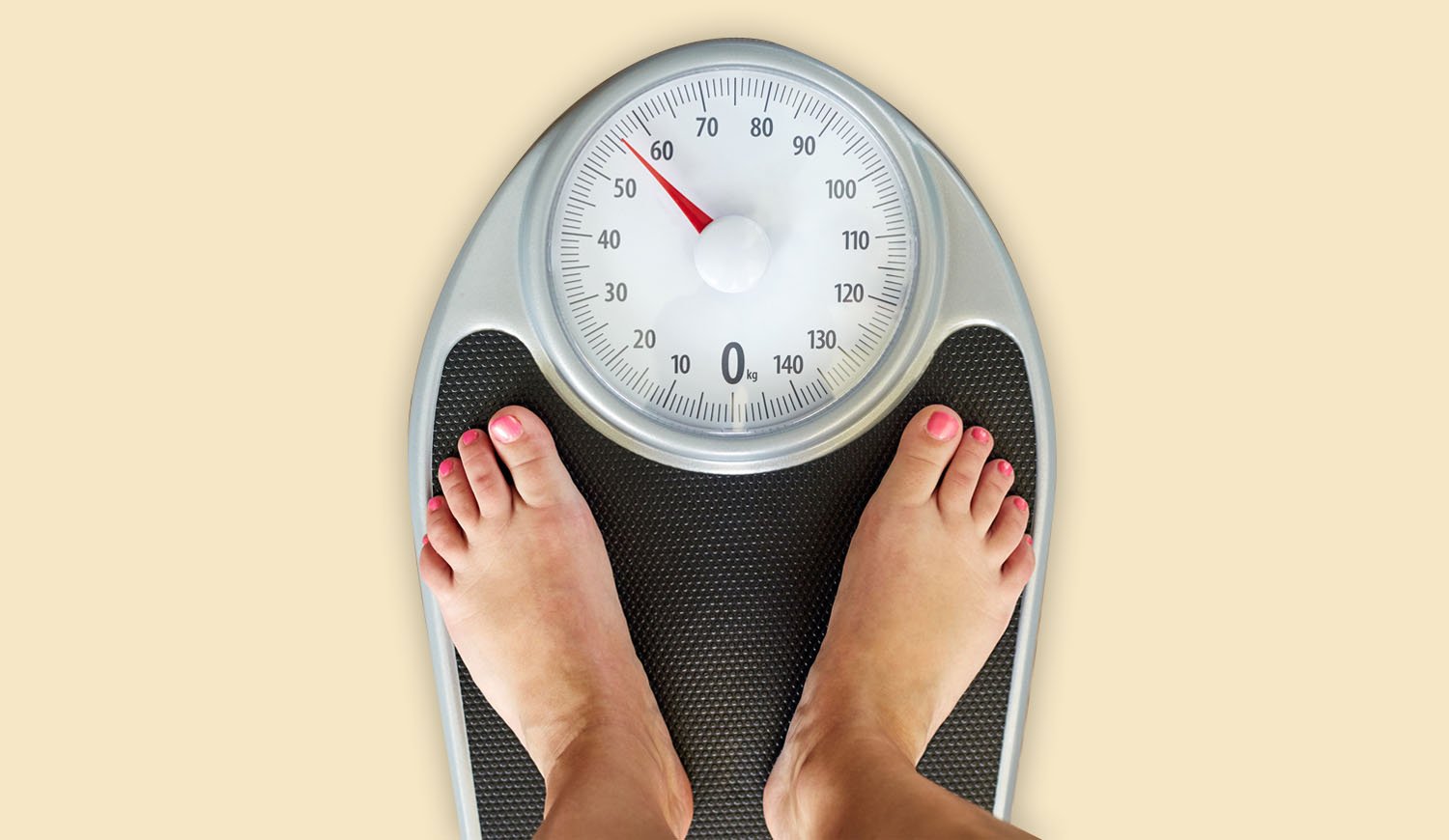
There is no shortage of weight-loss advice online. One person recommends cutting carbohydrates, another insists that breakfast is essential, and someone else claims that a single morning drink changed their life.
The problem is not that every piece of advice is necessarily wrong. It is that weight management is rarely the same experience for two people.
A plan that fits comfortably into one person’s life may be completely unrealistic for someone working long hours, caring for children or managing an existing health condition. Appetite, genetics, sleep, stress, hormones, medication and daily routines can all influence how easy or difficult it feels to make progress.
That is why the conversation around weight management is gradually becoming more personal. Instead of expecting everyone to follow the same strict programme, people are beginning to look for support that considers their health, circumstances and previous experiences.
A new UK digital healthcare service called Nume has launched with this more individual approach in mind. The platform provides eligible adults with access to online weight-management consultations that are reviewed by qualified healthcare professionals.
The aim is to make professional support easier to access without treating prescription healthcare like ordinary online shopping.
Table of Contents
Moving Away From One-Size-Fits-All Advice
Most people who have tried to lose weight already know the basic advice. Eat a balanced diet, move more often, sleep properly and be consistent.
Knowing what to do, however, is not always the same as being able to do it.
Real life has a habit of interfering with even the best plans. Work becomes busier, sleep gets disrupted, motivation changes and healthy meals are sometimes replaced by whatever can be prepared in ten minutes.
There may also be medical reasons why someone finds weight management especially challenging. Certain health conditions and medicines can affect appetite, energy levels or body weight. Emotional wellbeing, stress and previous experiences with dieting can also shape a person’s relationship with food.
This does not mean that lifestyle habits are unimportant. They remain a central part of long-term health. It simply means that advice is more useful when it is realistic and tailored to the person receiving it.
A personalised approach asks more helpful questions. What has the person already tried? What made previous plans difficult to maintain? Are there health conditions that need to be considered? What changes would genuinely fit into their life?
These questions create a much stronger starting point than assuming that someone only needs more motivation.
What Clinician-Led Weight Management Means
The phrase “clinician-led” is used frequently by online healthcare providers, but it should mean more than placing a medical-looking badge on a website.
A genuine clinical assessment involves reviewing information about the patient’s health before deciding whether treatment may be appropriate.
Nume’s process begins with an online consultation. The person is asked about factors such as their height, weight, medical history, current medicines and previous experience with weight management. Their answers are then reviewed by a qualified healthcare professional.
Completing the consultation does not guarantee that a prescription will be provided. The clinician may approve treatment, request more information or decide that a particular option is unsuitable.
Where prescription treatment is considered appropriate, Nume states that prescriptions are dispensed through its GPhC-registered pharmacy. The website also promotes a free consultation, same-day review and next-working-day delivery for qualifying orders placed before the stated cut-off time.
This professional review is important because prescription-only medicines are not suitable for everyone. A person’s medical history, current medication and individual risk factors must be considered before treatment begins.
Sometimes, the safest and most responsible clinical decision is not to prescribe.
Making Private Healthcare More Accessible
Convenience is one of the main reasons online healthcare has become increasingly popular.
Booking a traditional appointment can involve waiting for availability, travelling to a clinic and taking time away from work or family responsibilities. For someone with an already busy schedule, even arranging the initial conversation can become another task that keeps getting postponed.
An online consultation allows patients to provide their information privately and at a time that suits them. They can take a moment to check the names of their medicines, think carefully about their medical history and answer questions without feeling rushed.
This can be particularly valuable when discussing weight.
Many people have experienced embarrassment, judgement or unhelpful comments about their bodies. Even when a healthcare professional is supportive, the idea of discussing weight face to face can still feel uncomfortable.
A confidential digital assessment may make the first step feel less intimidating.
Of course, online healthcare is not suitable for every situation. Some symptoms and conditions require an examination, diagnostic testing or direct medical attention. A responsible digital provider should recognise those limits and direct patients to appropriate services when necessary.
Convenience should support good healthcare, not replace it.
What a Premium Service Should Really Offer
The word “premium” can easily become another marketing phrase. In healthcare, however, it should mean more than an attractive website or fast delivery.
A genuinely premium experience should make the process clearer, calmer and easier for the patient to understand.
People should know what information they need to provide, who will review their consultation and what happens if treatment is not suitable. They should be given balanced information rather than exaggerated promises.
Privacy also matters. Weight is personal, and patients should have control over who knows they are receiving treatment. Discreet packaging and confidential communication can make the experience feel more respectful.
Nume has built its service around a straightforward online journey, professional consultation, registered-pharmacy dispensing and discreet delivery. This combination is intended to make private weight-management care feel more accessible while preserving the clinical checks required for prescription treatment.
The most meaningful sign of quality, however, is not how quickly a service approves someone. It is whether the provider is willing to slow the process down when further information is needed.
Prescription Treatment Is Only One Part of the Plan
Prescription weight-management treatments may support some eligible adults, but they are not intended to replace healthier habits.
Nutrition, physical activity, sleep and stress management still matter. Treatment should sit alongside these areas rather than making them seem unnecessary.
The encouraging part is that improving health does not require someone to redesign their entire life overnight.
A person does not need to begin with an extreme diet, a complicated meal plan and a demanding exercise schedule. In many cases, smaller changes are more sustainable.
That might mean preparing a few simple meals in advance, walking more often, adding protein or fibre to meals, drinking more water or creating a more consistent bedtime routine.
Exercise does not have to begin with an exhausting gym programme either. Walking, swimming, cycling, home workouts and beginner strength exercises can all be useful, depending on the person’s fitness and health.
The best routine is not necessarily the most impressive one. It is the routine someone can continue when work is stressful, the weather is miserable and motivation is nowhere to be found.
People researching weight loss treatments in the UK should therefore consider the wider support involved, not only the medicine itself. Nume’s weight-management information explains that different prescription options work in different ways and are intended to be used alongside healthy eating and regular physical activity.
Why Honest Consultations Matter
An online medical questionnaire is not a test that patients need to “pass.”
There is no benefit in hiding a health condition, changing an answer or leaving out a medicine because someone is worried that it may affect their eligibility.
Clinicians need accurate information to make safe decisions.
Something that appears unrelated could still influence whether a treatment is appropriate. Existing prescriptions may interact with a new medicine, and previous reactions may need to be considered.
Patients should include everything they have been asked to disclose, including prescription medicines, over-the-counter products and relevant health conditions.
They should also feel comfortable asking questions.
A patient may want to know why a treatment has been recommended, how it should be used, what side effects can occur and what they should do if they miss a dose. They may also want to understand what alternatives are available if the first option is unsuitable.
Clear answers are an essential part of informed healthcare.
A consultation should leave someone feeling better informed, not pressured into making a quick decision.
Being Careful With Online Weight-Loss Claims
Social media has made it easier than ever to hear about other people’s weight-management experiences.
Personal stories can be encouraging, especially when they help people feel less alone. However, they should not be treated as individual medical advice.
An influencer or online commenter may not share their complete medical history, the side effects they experienced or the lifestyle changes they made alongside treatment. Their circumstances may be entirely different from those of the person watching.
Before using an online healthcare provider, people should check who is responsible for the clinical consultation and which pharmacy will dispense the medicine.
They should also be cautious of websites that promise guaranteed results or appear willing to supply prescription-only treatment without asking detailed health questions.
Good healthcare is rarely built around guarantees.
Treatment outcomes can vary, and a responsible provider should be honest about that from the beginning.
Measuring Progress More Realistically
Weight is one way of measuring progress, but it is not the only one.
Someone may notice that they have more energy, sleep better or find physical activity easier. They may feel more in control around food or become less likely to rely on highly restrictive diets.
These improvements deserve recognition, even when the number on the scales changes slowly.
Daily weight can also fluctuate for reasons that have little to do with actual fat loss. Hydration, hormones, salt intake and digestion can all influence the result.
Looking at broader patterns is usually more helpful than reacting to a single measurement.
Progress may also slow down after an initial period of change. That does not automatically mean the plan has failed. It may simply mean that the approach needs to be reviewed or adjusted.
A healthier relationship with progress allows room for birthdays, holidays, stressful weeks and meals that were enjoyed simply because they tasted good.
Long-term wellbeing should not require someone to feel guilty every time life becomes imperfect.
A More Human Way to Think About Weight
Weight management has often been presented as a battle between discipline and failure.
That view overlooks the many reasons why people struggle, and it can make asking for help feel like an admission of defeat.
In reality, seeking professional support can be a thoughtful and responsible decision. It gives someone an opportunity to understand their options, discuss their health and decide what kind of plan may be suitable.
Some people may achieve their goals through lifestyle changes without prescription treatment. Others may benefit from clinician-led support when they meet the necessary criteria.
Neither path should be treated as morally better than the other.
The most suitable approach is the one that is safe, realistic and based on the person’s actual needs.
A New Addition to the UK’s Digital Health Landscape
The launch of Nume reflects a wider change in how people expect to access private healthcare.
Patients increasingly value services that are convenient, discreet and easy to understand. At the same time, they still need professional oversight and responsible prescribing.
Bringing these elements together is the real challenge for digital health providers.
A polished website and quick delivery may improve the experience, but patient safety must remain the priority. Every request should be considered individually, and treatment should only be supplied when a clinician decides that it is appropriate.
For anyone considering weight-management support, the best first step is not choosing a medicine based on an advertisement or another person’s success story.
It is taking an honest look at their health, learning about the available options and speaking with a qualified professional.
There may never be one perfect method that works for everyone. Human bodies and human lives are far too individual for that.
A more personal approach accepts this reality. It replaces judgement with understanding, quick promises with realistic expectations and one-size-fits-all advice with support built around the person.
That may not sound as exciting as an overnight transformation, but it offers something much more valuable: a way forward that has a better chance of working in real life.
-

-

-

-

-

-