One day, you’re breezing through texts, books, receipts. The next, you’re doing the arm-stretch shuffle just to read a shampoo bottle. It feels like betrayal. But really? It’s biology — and it has a name: presbyopic vision.
So what actually happens inside your eye when presbyopia hits? Spoiler: it’s not about your prescription getting “worse.” It’s about your eyes stiffening up — like knees after 40. Let’s take a peek under the hood.
Table of Contents
The Flexible Lens That Stops Flexing
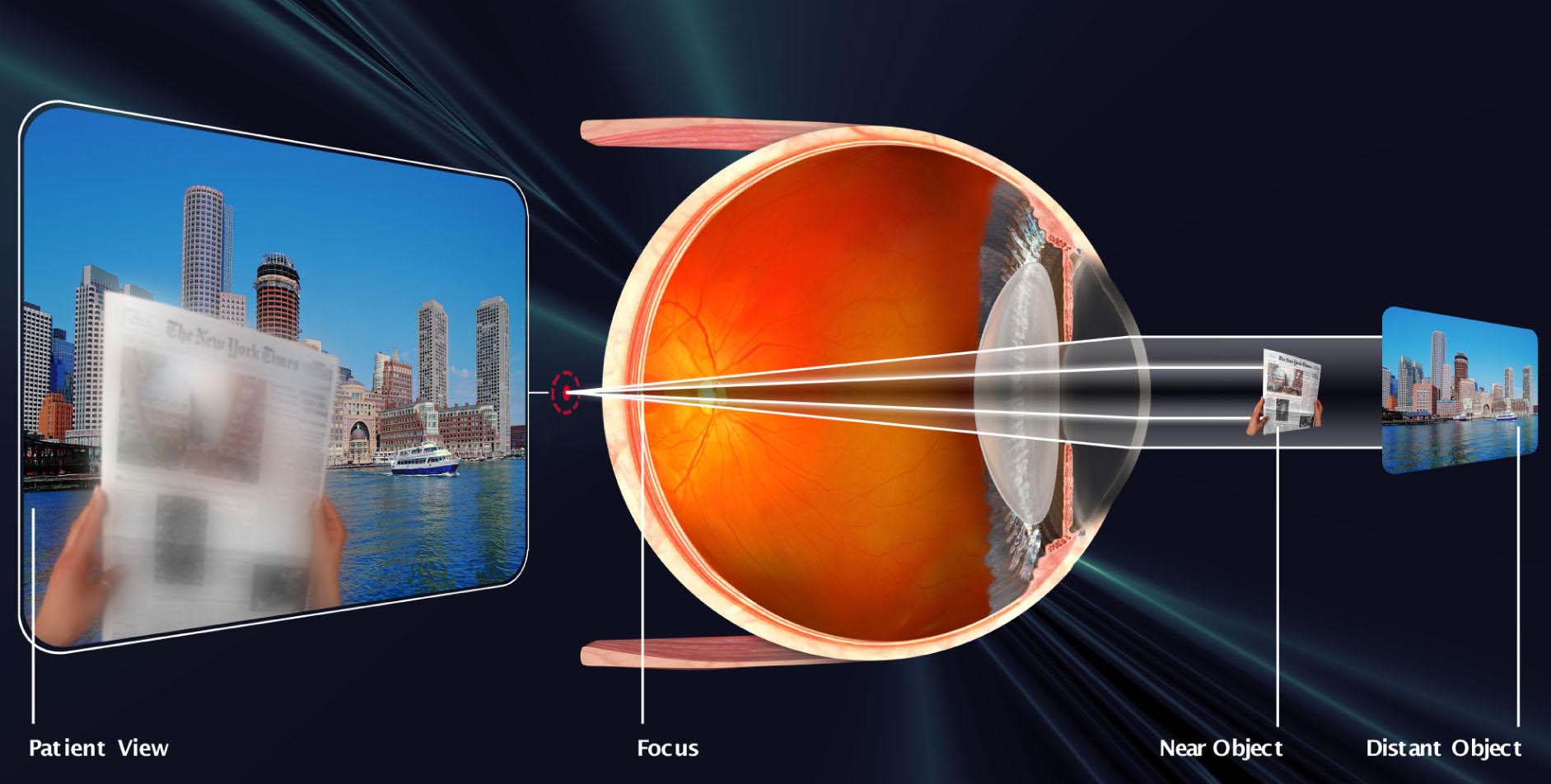
At the core of it all is the eye’s crystalline lens. This transparent, flexible structure sits just behind the colored iris and works like a built-in zoom lens. When you’re young, it’s bouncy and agile — instantly changing shape to help you shift focus from far-off mountains to close-up text messages.
But around age 40, something shifts.
The lens slowly becomes less elastic. It stiffens, a process called lens sclerosis. It’s subtle at first — maybe just a delay in adjusting between near and far — but over time, that stiffness reduces your eye’s ability to “accommodate.” That’s the fancy term for focus-shifting. Your lens is still clear. It’s just… tired.
Muscle Memory Starts to Fade
Right alongside that stiffening lens is the ciliary muscle, a ring of smooth muscle fibers that surrounds the lens and helps it change shape. When you look at something up close, this muscle contracts, relaxing the lens’s tension so it can thicken and focus on nearby objects.
But when the lens stops responding due to aging, the muscle’s efforts start to feel futile. Like trying to squeeze a rock. The result? Blurry near vision. You’re officially presbyopic.
Why the Blur Feels So Specific
Ever wonder why distance vision stays relatively fine while your close-up world falls apart?
It’s because presbyopia doesn’t affect the cornea (the outer layer responsible for general focus). It’s localized to the near-focusing system — which is why you can still drive, recognize faces, or watch TV without issue, but reading a menu? That becomes a two-hand operation.
The blur creeps in slowly — menus, texts, then computer screens. It’s not your imagination. It’s physics. Your eye just can’t shift focus like it used to.
Presbyopia Is Universal — and Unavoidable
Here’s the kicker: everyone gets presbyopia. No matter how good your vision was in your twenties. No matter if you’ve had laser eye surgery or wore glasses all your life. If you live long enough, presbyopia comes knocking.
It’s not a disease. It’s not caused by screen time (though that might make you notice it sooner). It’s just a natural aging process — one of the first obvious signs your body’s changing pace.
So What Can You Do About It?
Most people reach for reading glasses. Others get progressive lenses, bifocals, or even corrective surgery. But one newer option getting attention? Presbyopic eye drops.
VIZZ is one example: a once-daily drop that works by gently constricting the pupil — creating a pinhole effect that increases depth of focus. Basically, it helps your aging lens cheat the system. You still see clearly at distance, and up close — no glasses required.
These drops don’t reverse presbyopia. But they do sidestep its symptoms for several hours a day. It’s a workaround your eye appreciates.
Final Thoughts: Your Eyes Are Aging, Not Failing
Presbyopia doesn’t mean your eyes are broken — it means they’re evolving. The lens stiffens. The muscles struggle. The system, once seamless, slows.
But solutions are catching up. Whether it’s drops like VIZZ, well-designed eyewear, or surgical options, presbyopia is one of the most manageable age-related changes out there.
So the next time you catch yourself squinting at your phone and thinking, “What is wrong with my eyes?” — remember: nothing. This is just how time works on tissue.
And thankfully, we’ve got tools to help you see it all more clearly.
-

-

-
-
-
-