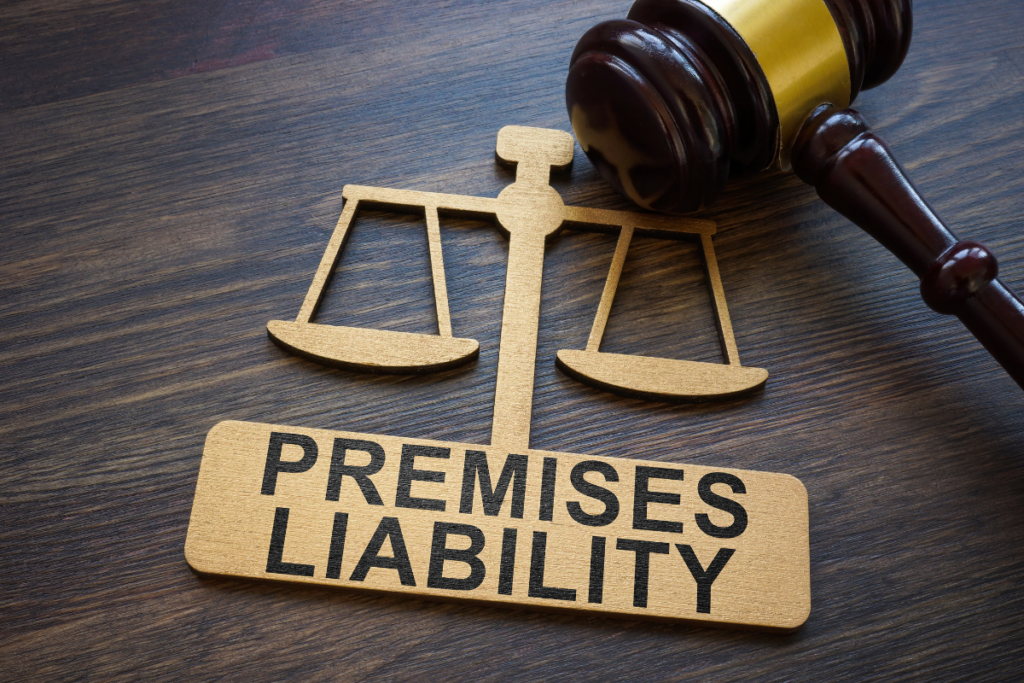
Property owners have a legal duty to keep their premises reasonably safe for visitors. When they fail to do so, serious injuries can occur from hazards such as wet floors, broken stairs, poor lighting, or uneven walkways.
If you are injured on someone else’s property, you may have the right to pursue a premises liability claim. In many situations, it is wise to consult a premises liability attorney early in the process to understand what evidence is required and how to protect your claim.
Premises liability cases are often evidence driven. Insurance companies and property owners rarely accept fault without proof, which means the success of your claim largely depends on the quality and completeness of the evidence you can present. Understanding what types of evidence matter most can help you build a stronger case.
Table of Contents
Proof of a Dangerous Condition
The foundation of any premises liability claim is evidence that a dangerous condition existed on the property. This may include things like spilled liquids, cracked pavement, loose carpeting, icy walkways, or missing handrails. Photographs and videos taken at the scene are some of the most powerful forms of evidence because they visually document the hazard before it is repaired or cleaned up.
If possible, capture the condition from multiple angles and include surrounding details such as lighting, warning signs, or lack thereof. The goal is to clearly show that the condition posed an unreasonable risk to visitors.
Evidence the Property Owner Knew or Should Have Known
It is not enough to show that a dangerous condition existed. In most premises liability cases, you must also prove that the property owner knew or should have known about the hazard and failed to fix it or warn visitors.
Evidence that supports this includes maintenance records, cleaning logs, inspection reports, or prior complaints. Surveillance footage can be especially valuable if it shows how long the hazard was present before the accident occurred. The longer a dangerous condition existed, the stronger the argument that the owner should have addressed it.
Incident Reports and Official Documentation
If your injury occurred in a business or public space, an incident report may have been created at the time of the accident. These reports often include details about what happened, when it occurred, and who was involved. While incident reports are not always definitive proof of liability, they can help establish a timeline and confirm that the accident occurred on the property.
Police reports or emergency responder records may also support your claim, especially in cases involving serious injuries.
Medical Records Linking Injuries to the Accident
Medical evidence is critical to proving damages in a premises liability case. Your medical records should clearly document the injuries you sustained and connect them to the accident on the property. This includes emergency room visits, diagnostic tests, follow-up care, physical therapy, and any future treatment recommendations.
Consistent medical treatment strengthens your claim by showing that your injuries were real, serious, and directly caused by the incident.
Witness Statements
Eyewitness testimony can significantly strengthen a premises liability claim. Witnesses may confirm the presence of the hazardous condition, describe how the accident happened, or verify that no warning signs were posted. Statements from employees, other customers, or bystanders can help corroborate your version of events.
Collecting names and contact information as soon as possible is important, as memories can fade over time.
Photos of Injuries and Personal Items
Photographs of your injuries taken shortly after the accident and throughout your recovery help demonstrate the severity and progression of harm. Additionally, photos of damaged clothing, shoes, or personal items can provide further support by showing physical evidence of the fall or incident.
These details can help paint a clear picture of how the accident impacted you.
Evidence of Damages and Losses
To recover compensation, you must show how the accident affected your life financially and personally. Evidence may include medical bills, lost wage statements, time off work records, and documentation of reduced earning capacity. Keeping a journal that describes pain levels, limitations, and emotional distress can also support noneconomic damages such as pain and suffering.
Key Takeaways
- Strong premises liability claims rely on clear, well-documented evidence.
- Photos and videos of the dangerous condition are crucial.
- Proof the property owner knew or should have known about the hazard is essential.
- Medical records must link injuries directly to the accident.
- Witness statements help confirm how the incident occurred.
- Documentation of financial and personal losses supports full compensation.
-

-
-

-
-

-