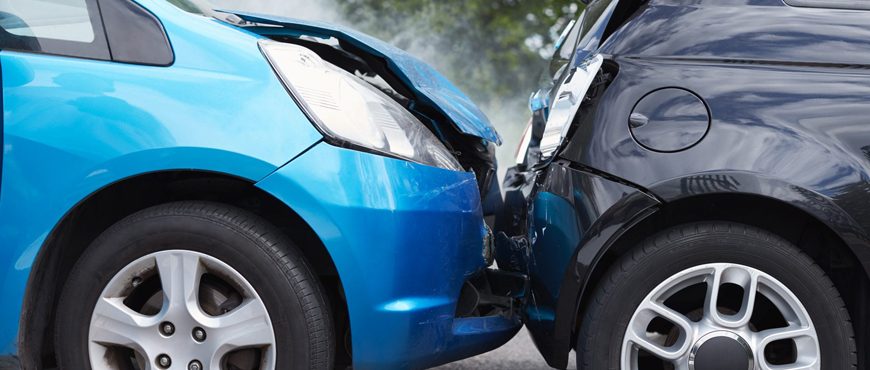
A rideshare accident can leave victims dealing with far more than damaged vehicles. Medical bills begin arriving almost immediately, missed work affects household income, and insurance companies often move quickly to determine who will pay for the losses. Understanding Indiana rideshare accident claims early can make a significant difference in protecting your rights and preserving valuable evidence before it disappears.
Unlike traditional motor vehicle collisions, rideshare accidents involve additional layers of complexity. Companies such as Uber and Lyft rely on digital platforms, multiple insurance policies, and electronic records that can directly affect how a claim is handled. A crash that appears straightforward at first may quickly become complicated once questions arise about the driver’s status within the app, available insurance coverage, and responsibility for the collision.
For residents, students, and visitors traveling throughout Indiana, Pennsylvania, knowing what happens after a rideshare accident can help reduce costly mistakes and improve the chances of obtaining fair compensation.
Table of Contents
Why Rideshare Accidents Are Different From Ordinary Car Crashes
Most people assume every automobile accident follows the same legal process. While the basic principles of negligence still apply, rideshare collisions introduce factors that do not exist in ordinary accidents.
Traditional crashes typically involve two drivers and their respective insurance companies. Rideshare accidents may also involve the driver’s personal insurance, the rideshare company’s commercial policy, another driver’s insurer, injured passengers, and electronic records such as trip history, GPS data, and app activity logs.
Because multiple insurance policies may potentially apply, determining who is responsible often takes considerably more investigation than a standard traffic accident.
This additional complexity is one reason victims should begin documenting evidence immediately after a collision.
The Driver’s App Status Can Change Everything
One of the first questions investigators ask is simple: what was the rideshare driver doing when the crash occurred?
The answer determines which insurance coverage may apply.
If the rideshare application was turned off, the driver’s personal automobile insurance generally provides primary coverage.
If the driver was logged into the app and waiting for a ride request, limited commercial insurance coverage may become available depending on the circumstances.
If the driver had accepted a ride request and was traveling toward the pickup location, insurance protection usually increases.
If a passenger was already inside the vehicle, the highest level of commercial coverage is often available while the passenger is being transported to the destination.
Even small differences in timing may significantly affect insurance coverage. App records frequently become some of the most valuable pieces of evidence in determining which policy applies.
Save Digital Evidence Immediately
Unlike many traditional car accidents, rideshare collisions generate electronic information that may later become essential.
Victims should preserve ride confirmations, electronic receipts, driver information, screenshots of the trip, pickup and destination locations, estimated arrival times, route history, and communication through the rideshare app.
These records may later verify that the ride was active during the collision and support insurance claims.
Waiting several weeks before collecting this information increases the risk that valuable digital evidence may become more difficult to obtain.
Why Indiana, Pennsylvania Creates Unique Rideshare Challenges
Indiana, Pennsylvania is home to a large student population and experiences heavy rideshare activity throughout much of the year.
College communities naturally create traffic conditions that increase accident risks. High pedestrian traffic, frequent crosswalk activity, students walking while distracted, visitors unfamiliar with local roads, congested downtown intersections, heavy evening transportation demand, and constant pickups and drop-offs near campus all contribute to the problem.
Many rideshare drivers are simultaneously monitoring GPS navigation, passenger notifications, incoming ride requests, and surrounding traffic.
Although technology improves convenience, it can also increase distractions.
Even a brief lapse in attention may result in serious injuries.
Immediate Steps After a Rideshare Accident
The moments right after a collision can affect the strength of an injury claim.
Act quickly to preserve evidence while details are still fresh.
- Contact law enforcement.
- Get medical care right away.
- Take photos of the scene, vehicles, road conditions, traffic signals, skid marks, weather, debris, and visible injuries.
- Get witness names and contact information before they leave.
- Save app records, ride confirmations, and electronic receipts.
A police report creates an official record of the crash and may include useful details about the road, witnesses, and drivers.
Prompt medical care protects your health and helps connect your injuries to the accident.
Witnesses can provide unbiased accounts of what happened, and their contact information may be important later.
Do not delete ride confirmations or receipts, since they may help show the timeline and support liability claims.
Medical Documentation Strengthens Every Claim
Medical records serve purposes beyond treatment.
Healthcare providers document initial injuries, diagnostic testing, physician observations, treatment recommendations, recovery progress, and permanent impairments.
These records often become central evidence during settlement negotiations.
Insurance companies frequently review medical documentation when evaluating both the severity of injuries and the value of a claim.
Victims who delay treatment may unintentionally create disputes regarding whether injuries resulted from the accident.
For general guidance on injury documentation and evidence preservation, the American Bar Association personal injury guides offer helpful personal injury resources.
Liability May Extend Beyond One Driver
Many people automatically assume the rideshare driver is responsible whenever an accident occurs.
Reality is often more complicated.
Potentially responsible parties may include another negligent driver, a commercial truck operator, a distracted motorist, a speeding driver, a vehicle manufacturer, a government entity responsible for roadway maintenance, or the rideshare driver.
Every accident requires careful investigation before responsibility can be accurately assigned.
Witness interviews, surveillance footage, vehicle damage analysis, electronic data, and police reports all help reconstruct what happened.
Comparative Negligence Can Affect Compensation
Pennsylvania follows comparative negligence rules.
This means multiple parties may share responsibility for the same collision.
For example, one driver may have been speeding while another failed to yield the right-of-way.
Rather than assigning complete responsibility to one person, fault may be divided among everyone whose actions contributed to the crash.
Insurance companies often dispute percentages of fault because those percentages directly affect financial compensation.
Accurate evidence therefore becomes extremely important during settlement negotiations.
Insurance Companies Begin Investigating Immediately
Many victims underestimate how quickly insurance companies begin gathering evidence.
Adjusters may review police reports, vehicle photographs, medical records, witness interviews, electronic ride data, phone records, dash camera footage, and traffic camera recordings.
While insurance companies conduct their investigations, victims should also preserve evidence supporting their own claims.
The strongest cases are often built during the first few days after an accident rather than months later.
Economic and Non-Economic Losses
A rideshare accident can create financial losses that continue long after vehicles have been repaired.
Compensation may include medical expenses, future medical treatment, lost wages, reduced earning capacity, property damage, pain and suffering, emotional distress, and rehabilitation costs.
Every case depends on its own facts, and the available compensation varies according to the severity of injuries and applicable insurance coverage.
Time Limits Matter More Than Many People Realize
One of the biggest mistakes accident victims make is waiting too long before pursuing legal action.
Pennsylvania law generally establishes deadlines for filing personal injury lawsuits.
Under Pennsylvania General Assembly Title 42, most personal injury claims must generally be filed within two years from the date of the accident, making it important to understand the applicable filing deadline before pursuing legal action.
Missing the applicable statute of limitations may permanently prevent an injured person from pursuing compensation, regardless of how strong the underlying claim might have been.
Because evidence becomes harder to obtain over time, beginning the claims process promptly benefits both legal deadlines and the quality of available proof.
Final Thoughts
Rideshare accidents present challenges that extend well beyond the initial collision. Determining insurance coverage, preserving electronic evidence, identifying every potentially responsible party, and documenting injuries all require timely action. While every case is unique, understanding how Indiana rideshare accident claims work can help accident victims make informed decisions during an already stressful time.
The sooner evidence is preserved, medical treatment is documented, and liability is investigated, the stronger a claim is likely to become. Acting quickly not only protects valuable information but also helps ensure that important legal deadlines are not overlooked.
-

-

-

-

-

-