Cars today are pure magic. Mechanical, yes. Logical in many ways. But the moment someone decides to change the color, logic begins behaving like a cat — wandering off in odd directions.
Eventually the same question shows up for almost every car owner: “Is vinyl wrap better than paint?”
At first glance the two seem similar. Both completely transform how a vehicle looks. Both can turn a tired sedan into something wild or sleek or quietly aggressive. Yet under the surface they operate very differently.
Paint becomes part of the car. Permanent. Like a tattoo. Vinyl wrap behaves more like clothing — applied carefully, removed later if necessary, swapped when tastes change or moods shift or trends wander somewhere new.
The real comparison, when people talk about vinyl wrap vs paint car upgrades, comes down to cost, time, flexibility, and long-term goals. None of these factors exist in isolation. They bump into each other. Occasionally contradict each other.
Understanding the car wrap vs paint pros and cons simply helps drivers avoid the strange regret that comes from making a visual decision too quickly. Because color can be surprisingly permanent.
Table of Contents
Vinyl Wrap vs Paint Key Differences
The easiest way to understand the difference between wraps and paint is to compare them directly. Almost like holding two objects side by side and noticing how they behave under the same light.
Some differences are obvious. Others only appear later.
Cost
Money tends to lead the conversation. Not always the deciding factor, but it arrives early.
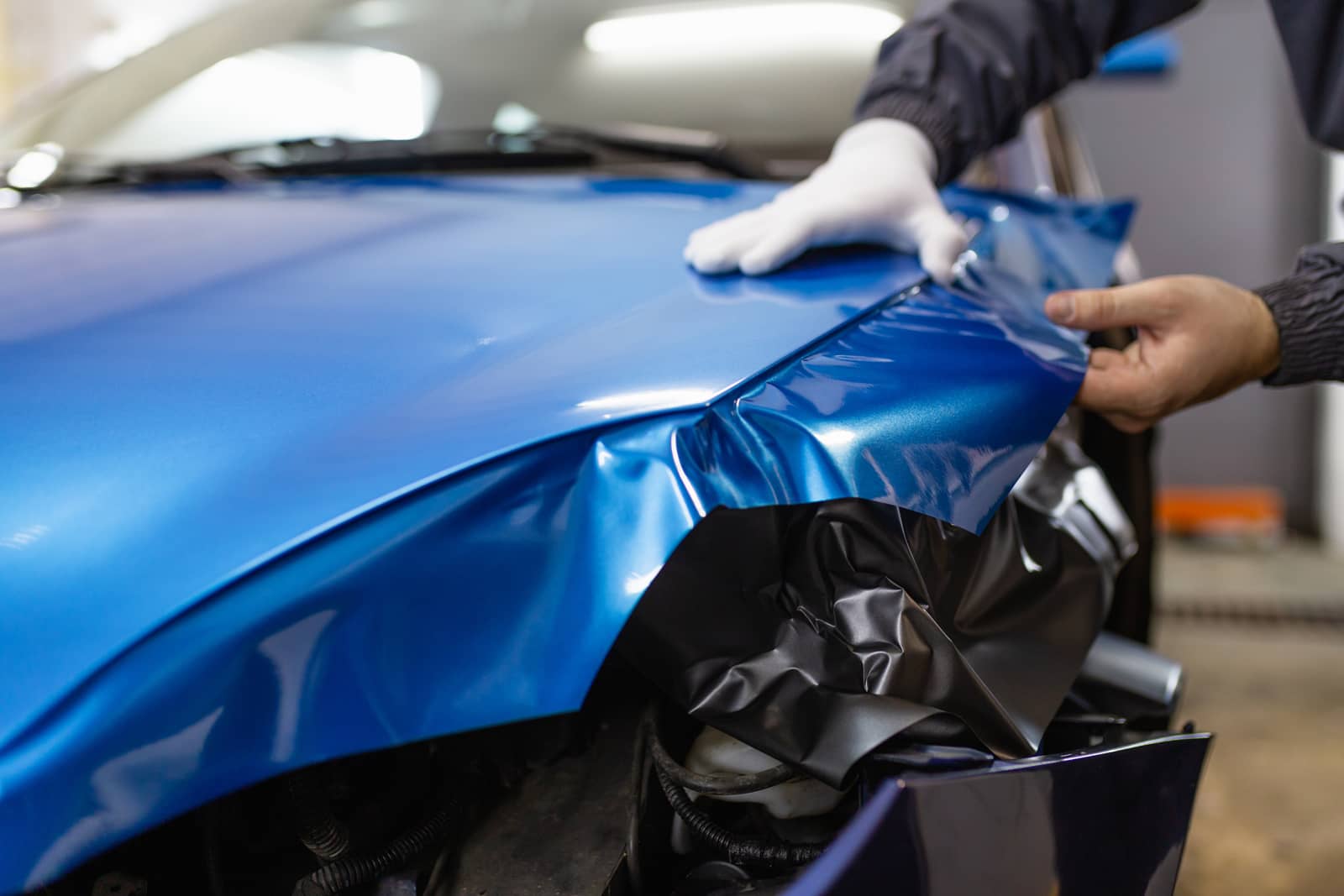
Vinyl car wraps are usually more affordable. Installation involves applying film rather than repainting the vehicle layer by layer.
Professional paint jobs can become significantly expensive. High-end paint requires extensive sanding, priming, multiple color layers, and polishing.
Sometimes the price difference surprises people. Other times it doesn’t. Depends on expectations.
Installation Time
Time behaves differently in a wrap shop than in a paint booth.
Vehicle wraps often take only a few days. After cleaning and preparation, vinyl panels are applied and carefully shaped around body lines.
Automotive paint takes much longer. Paint requires curing time between layers and detailed finishing work.
For drivers who rely on their car daily, this time difference matters more than they expect. Weeks without a car feel longer than weeks with one.
Design Flexibility
Wraps allow custom textures and finishes. Matte surfaces, satin reflections, chrome effects, carbon fiber patterns.
Paint colors stay mostly traditional. Once applied, the finish remains relatively fixed. Vinyl wraps behave almost like graphic design for vehicles. Paint behaves more like architecture.
Both beautiful. Different philosophies.
Benefits of Vinyl Car Wraps
Drivers choose vinyl wraps for many reasons. Some practical, some aesthetic, some very emotional. And sometimes because they simply want their car to look different on Monday than it did on Sunday.
Protection for the Original Paint
One of the more overlooked advantages is protection:
- Vinyl acts as a barrier against scratches and debris: The vinyl layer absorbs minor impacts that might otherwise damage paint.
- Vinyl helps to reduce sun exposure damage: UV rays affect the wrap rather than directly fading the factory finish.
It’s a curious concept at first — protecting paint by covering it. Yet it works remarkably well. Like wearing a jacket to keep a shirt clean.
Easy Color Changes
Flexibility becomes important for many car owners:
- Wraps can be removed when tastes change: A vehicle can shift from matte black to metallic blue without repainting.
- Factory paint remains underneath: Assuming the wrap was installed properly, the original finish stays intact.
This reversibility explains why many people prefer vinyl wraps. Commitment becomes optional. A rare luxury.
Unique Finishes and Textures
Vinyl technology opened creative doors that traditional paint rarely attempts:
- Matte finishes: Soft light diffusion creates a stealth-like aesthetic.
- Satin textures: Somewhere between matte and gloss, highlighting body lines subtly.
- Chrome and metallic effects: Highly reflective surfaces that dramatically change under sunlight.
- Textured films: Carbon fiber and brushed metal designs add visual depth.
Mobile Branding for Businesses
Vinyl wraps also serve commercial purposes. Company vehicles frequently double as advertising platforms.
Logos and graphics can be printed directly on vinyl, turning the vehicle into a moving advertisement. Consistent branding across fleets is also a thing. Businesses maintain visual identity across multiple vehicles.
Paint cannot easily replicate this flexibility. Vinyl was practically invented for it.
When Paint Might Be the Better Choice
Vinyl wraps are flexible and modern. But paint still holds certain advantages that make it the better option in specific situations.
Sometimes permanence is desirable. Sometimes it’s necessary.
Long-Term Vehicle Ownership
Paint generally lasts longer. High-quality paint jobs can last for decades. With proper maintenance and occasional polishing.
Vinyl wraps typically last five to seven years. Eventually they need replacement. Drivers planning to keep their car for decades may prefer the longevity of paint.
Time slowly favors it.
Classic Car Restoration
Restoration projects follow very different rules.
Original paint colors matter historically. Collectors often value authenticity above customization. Factory-correct finishes increase vehicle value. Classic car markets rely heavily on accurate restoration.
Vinyl wraps rarely play a role in those situations. Imagine wrapping a museum sculpture. It feels off.
Permanent Color Changes
Some drivers simply want a permanent transformation. And paint permanently becomes part of the vehicle. No future removal required.
The finish ages naturally with the car. Polishing and maintenance restore shine over time. Wraps are flexible. Paint is committed.
Final Thoughts
Returning to the original question — is vinyl wrap better than paint?
The answer depends on what someone values most.
Vinyl wraps offer greater design flexibility, lower initial cost in many cases, protection for factory paint, and removable customization.
Traditional automotive paint provides long-term durability, permanent color transformation, and authentic finishes for restoration projects
Neither option is universally superior. They simply solve different problems. Drivers considering appearance changes should think about what they can afford, how long they plan to keep the vehicle, and also whether customization or permanence matters more.
Once those answers become clear, the decision usually follows naturally. Sometimes quickly. Sometimes after staring at color samples for far longer than expected.
FAQ
Is vinyl wrap cheaper than paint?
In many situations yes. Vinyl wraps typically cost less than high-quality professional paint jobs because installation requires fewer materials and less labor time.
How long does vinyl wrap last compared to paint?
Vinyl wraps usually last five to seven years depending on climate and maintenance. Automotive paint can last significantly longer when properly maintained.
Does vinyl wrap damage car paint?
No. When installed and removed correctly, vinyl wrap does not damage factory paint. In fact, it can protect the original finish from minor scratches and UV exposure.
Can vinyl wrap be removed?
Yes. Vinyl wraps are designed to be removable. Professional removal typically restores the vehicle to its original paint condition.
Is wrapping a car worth it?
For many drivers, yes. Vinyl wrapping provides customization, branding opportunities, and paint protection while allowing the option to revert to the original appearance later.
-

-

-

-

-
-