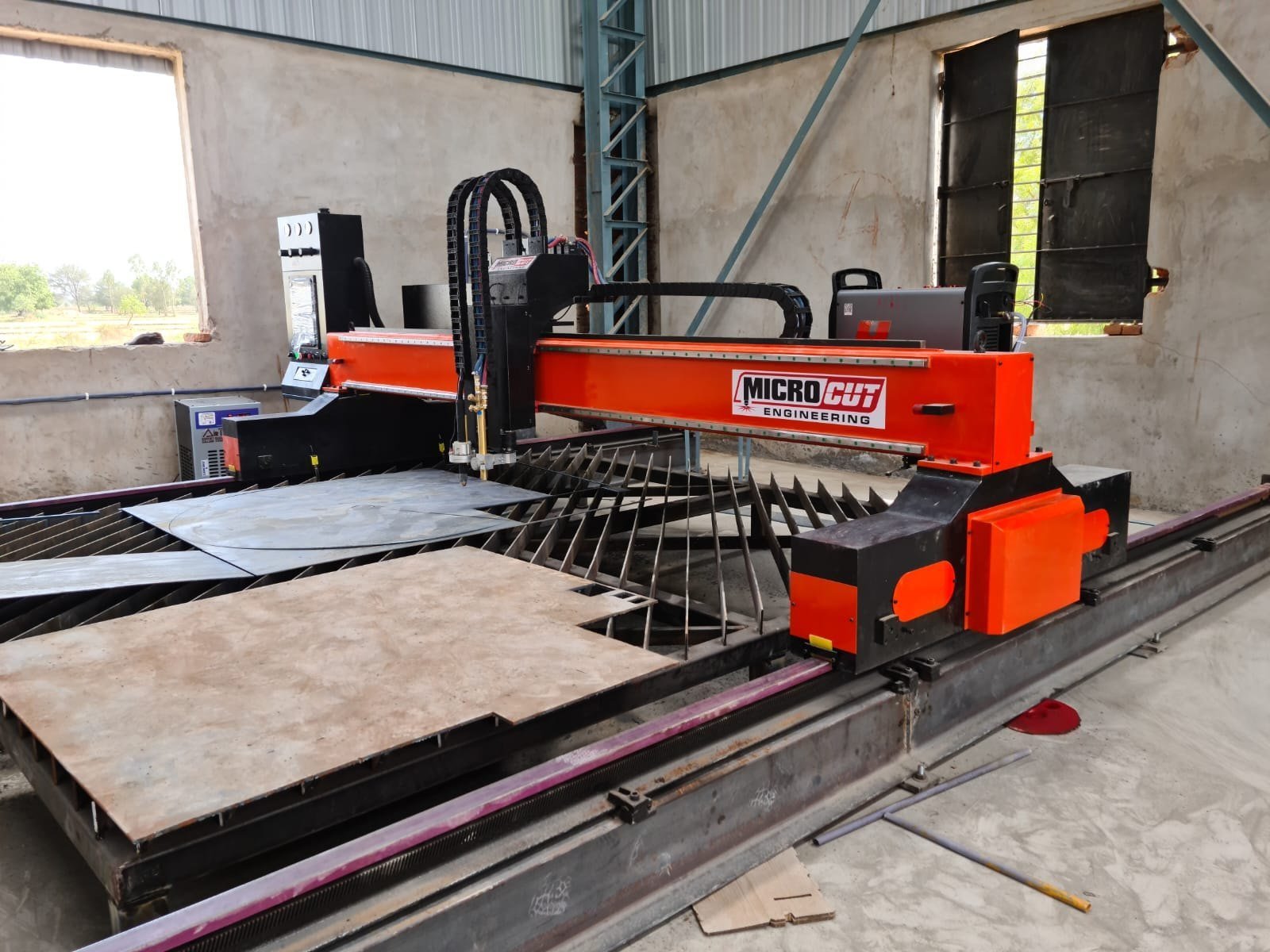
Selecting cutting equipment for a fabrication shop involves more than comparing price points. For operations that depend on consistent material throughput, the supplier relationship carries as much weight as the machine itself. A poorly supported piece of equipment sitting idle during a production run costs far more than any upfront savings. This reality has pushed fabricators across the US to be increasingly deliberate about who they buy from, not just what they buy.
In 2025, the plasma cutting segment is being shaped by tighter project timelines, skilled labor constraints, and a broader push toward repeatable, automated cutting processes. Against that backdrop, fabricators are sharing clear opinions about which suppliers have held up under real working conditions and which have not. The rankings below reflect that experience, drawing on patterns observed across job shops, structural steel operations, and heavy industrial fabrication environments.
Table of Contents
How Fabricators Are Evaluating Plasma Cutting Machine Suppliers Today
The criteria fabricators use to rank plasma cutting machine suppliers have shifted noticeably over the past several years. It used to be enough to offer a reliable machine with reasonable service coverage. Now, with shops operating leaner and taking on more complex work, the evaluation goes deeper. When fabricators look for plasma cutting machine suppliers, they weigh things like parts availability, technical support responsiveness, software integration, and the supplier’s ability to support growth over time. One resource fabricators have used to compare product lines and supplier offerings is this directory of plasma cutting machine suppliers, which organizes options by equipment type and application.
Support Infrastructure Matters as Much as the Machine
When a cutting table goes down mid-shift, the quality of the machine becomes secondary to how quickly a technician can diagnose and resolve the issue. Fabricators who have dealt with long parts lead times or unresponsive service departments tend to become vocal about those experiences. In 2025, shops are placing real weight on whether a supplier maintains regional service teams, stocks common wear components domestically, and can provide remote diagnostic support before rolling a truck. These operational details separate suppliers who sell machines from those who support production.
Training and Onboarding Shape Long-Term Results
A plasma cutting system is only as effective as the team operating it. Suppliers who invest in structured training programs, whether on-site, video-based, or through certified technician networks, tend to see better outcomes on the shop floor. Fabricators consistently note that shops with properly trained operators experience fewer consumable failures, better cut quality consistency, and lower rates of material waste. Suppliers who treat training as an afterthought often find that their machines are blamed for problems that are actually rooted in operating procedures.
The Ten Suppliers Fabricators Consistently Reference
The following suppliers appear repeatedly in fabricator discussions, trade forums, and peer recommendations across the structural, sheet metal, and heavy plate cutting segments. These are not ranked by marketing presence or sales volume. They are listed based on the consistency of positive operational feedback from working shops.
Hypertherm Associates
Hypertherm remains the most widely referenced name among fabricators across nearly every segment. Their plasma systems are noted for consistent cut quality on a broad range of material thicknesses, and their consumable ecosystem is among the most developed in the industry. The company’s US manufacturing base and established parts distribution network contribute to reliability that fabricators in high-volume operations specifically value.
Lincoln Electric
Lincoln Electric’s plasma cutting line benefits from the company’s deep presence in the welding and fabrication market. Fabricators who already operate Lincoln welding equipment often extend that relationship to plasma cutting, citing familiarity with service protocols and the advantage of a single vendor relationship. Their systems perform well in job shop environments where operators handle multiple machine types.
ESAB
ESAB has a long-standing reputation in cutting and welding, and their plasma systems are frequently cited in structural steel fabrication environments. Their automated cutting tables are known for being compatible with common nesting and CAM software platforms, which matters to shops managing complex part libraries. Support infrastructure varies by region, though their dealer network is generally considered one of the broader ones in the market.
Miller Electric (ITW)
Miller’s plasma cutting equipment occupies a strong position in the mid-range segment. Fabricators in smaller operations and contract shops consistently mention Miller systems for their straightforward operation and durable build quality. The brand’s service network through ITW’s distribution system means parts and support are accessible in most US markets.
Piranha Fabricating Equipment
Piranha is well-regarded among fabricators who prioritize structural and plate work. Their equipment is built for demanding production environments, and the company maintains a reputation for direct customer relationships and practical support. Shops that have moved away from lighter-duty systems often cite Piranha as a step up in durability and application capability.
Messer Cutting Systems
Messer’s focus is primarily on automated cutting systems for industrial applications, including large-format plasma tables used in heavy plate and structural steel work. Their engineering-forward approach resonates with fabricators running high-volume or highly automated operations. The company is recognized for building systems that integrate well into larger production workflows.
Voortman Steel Machinery
Voortman serves the structural steel fabrication segment with a range of automated systems that incorporate plasma cutting as part of broader processing lines. Fabricators dealing with high-throughput structural work mention Voortman in the context of reducing manual handling and improving cut-to-assembly sequencing. Their systems are more commonly found in larger operations than in general job shops.
Hornet Cutting Systems
Hornet has carved out a consistent following among smaller fabrication shops and hobbyist-to-professional crossover environments. Their cutting tables are frequently cited for value relative to build quality, and the company’s support responsiveness gets positive mention in fabricator communities. They are not an enterprise-level supplier, but for shops in a certain size range, they represent a practical and well-supported option.
MultiCam
MultiCam’s plasma cutting systems are often mentioned alongside their CNC routing and other cutting platforms. Fabricators who run mixed-material operations find value in working with a supplier who can support multiple cutting technologies under one roof. Their US-based manufacturing and dealer network contributes to the reliability feedback they receive from shops that prioritize domestic support.
ShopSabre
ShopSabre has grown its presence in the fabrication market through a combination of competitive pricing and direct-to-customer sales that bypass traditional dealer markups. Fabricators who have purchased from them frequently highlight the build quality relative to price point, and the company’s support team is described as accessible. They appeal particularly to shops that are scaling up from entry-level equipment but are not yet at the volume to justify enterprise-tier investment.
What Separates the Most Trusted Suppliers from the Rest
Looking across these suppliers, a few consistent patterns emerge among those that fabricators trust most over time. None of them are about features on a spec sheet. They are about how a supplier behaves after the sale and across the working life of the equipment.
Domestic Parts Availability
Fabricators who have experienced long delays waiting for consumables or replacement components are consistently more critical of their suppliers, regardless of the equipment’s baseline performance. Suppliers who maintain US-based parts inventory, or who have distribution agreements that keep common components accessible within a few business days, receive markedly better feedback. As the National Institute of Standards and Technology has noted in its manufacturing research, supply chain responsiveness is a direct driver of production uptime in precision manufacturing environments. Plasma cutting operations are no different.
Honest Technical Communication
Fabricators are practical people. They do not expect equipment to be perfect. What they do expect is honest, direct communication from a supplier when something goes wrong. Suppliers who are transparent about known issues, who communicate clearly about repair timelines, and who do not deflect responsibility tend to build stronger long-term relationships with shops. This kind of honesty is difficult to measure during the purchasing process but becomes visible quickly once equipment is in production.
Application Fit Should Drive the Decision
No single supplier serves every fabrication environment equally well. A system optimized for high-volume structural plate work will behave differently than one designed for sheet metal job shops. Before evaluating plasma cutting machine suppliers on brand reputation alone, fabricators benefit from being specific about their material range, production volume, level of automation required, and tolerance for operator variability. Matching the supplier to those operational specifics, rather than defaulting to the largest or most recognized name, tends to produce better outcomes in the shop.
Fabricators who approach the evaluation process this way, and who take the time to speak directly with shops running similar work, consistently report higher satisfaction with their supplier relationships over time. The rankings above reflect that kind of peer-based, experience-grounded feedback, and they are likely to shift as suppliers evolve their support models and product lines through the remainder of the decade.
Closing Thoughts
The process of identifying reliable plasma cutting machine suppliers is not something that gets easier with more options on the market. If anything, the wider availability of equipment has made the supplier relationship more important, not less. With more choices comes more variation in support quality, parts availability, and long-term reliability. The fabricators who report the most consistent results are those who treat supplier selection as an operational decision rather than a transactional one.
The ten suppliers outlined here have earned their standing through the kind of evidence that matters most in fabrication: machines that run, support that responds, and relationships that hold up under production pressure. That is the standard against which any plasma cutting supplier should be measured in 2025, and it is the standard fabricators across the US are increasingly using to make their decisions.
-
-
-

-

-

-