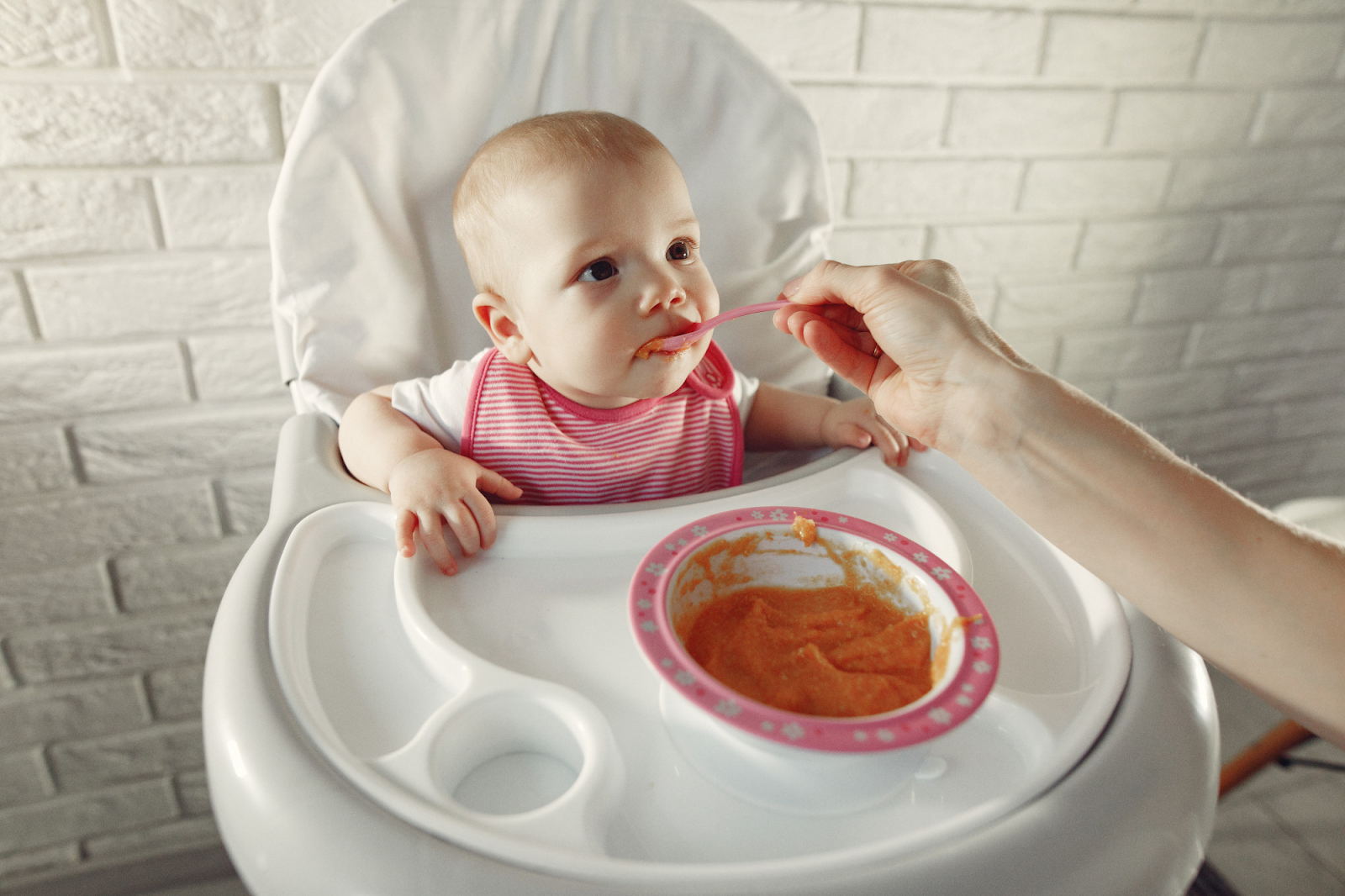
Parents trust that the food they give their babies will nourish, protect, and support healthy growth. Unfortunately, investigations over the past few years have revealed that some commercial baby food products may contain unsafe levels of toxic heavy metals such as lead, arsenic, cadmium, and mercury. These contaminants can enter food during farming, processing, or packaging, creating hidden risks for the most vulnerable consumers.
For families whose children may have been exposed to these dangerous substances, filing a baby food lawsuit can be a way to pursue justice and accountability. Legal action may help families recover compensation for medical care, therapies, and long-term support if exposure contributed to developmental or neurological challenges. It also helps send a strong message to manufacturers that safety must come before profit.
Table of Contents
Common Toxins Found in Baby Food
Heavy metals like lead, arsenic, and cadmium are naturally occurring in soil, but poor regulation and manufacturing practices can allow unsafe levels to wind up in baby food. Lead has been linked to serious neurological harm, and even trace amounts can interfere with brain development. Arsenic exposure, particularly from rice-based products, has also been connected to learning and behavioral difficulties.
Cadmium and mercury are additional toxins that have raised concern among pediatric experts. These substances may accumulate in a child’s body over time, especially when consumed regularly in small amounts. Because infants and toddlers are still developing, they are far more sensitive to these exposures than adults.
How These Toxins Affect a Child’s Development
Exposure to toxic heavy metals during infancy may disrupt the normal development of the brain and nervous system. Research suggests potential links to conditions such as autism spectrum disorder, ADHD, speech delays, learning disabilities, and lowered IQ. Some children may also experience behavioral challenges or difficulty with attention, memory, or social interaction.
The damage caused by these toxins can sometimes be permanent. This means families may face a lifetime of medical appointments, therapy sessions, and special education needs. The emotional burden can be just as heavy, as parents struggle with guilt, anxiety, and uncertainty about the future.
Signs Parents Should Watch For
Many symptoms of heavy-metal exposure develop slowly, making them hard to identify at first. Parents may notice delays in speech, social behavior, motor development, or attention compared to other children. In some cases, doctors may diagnose developmental disorders without initially realizing that environmental exposure played a role.
If you suspect exposure, it is important to speak with a pediatrician or specialist promptly. Early intervention and testing can help parents better understand their child’s needs and plan appropriate treatment. Documentation also becomes important if families later decide to pursue legal action.
How Families Can Protect Their Children
Parents can reduce risk by being mindful of what products they purchase and serve. Limiting rice-based snacks and cereals, rotating food brands, and incorporating fresh and homemade options when possible may help minimize exposure. Reading ingredient labels and staying informed about product recalls also makes a difference.
Healthcare providers can guide families on safe nutrition choices, especially for children showing developmental delays. Advocacy at the community and national levels is also essential, as pressure on lawmakers and manufacturers can help strengthen regulations and testing standards.
Holding Manufacturers Accountable
Manufacturers have a responsibility to ensure their products are rigorously tested and safe for infants. When companies fail to meet that duty, legal action may be one of the few tools families have to seek accountability. Lawsuits not only help individual families pursue compensation, but they also promote safer industry practices and greater transparency.
Final Thoughts
Learning that trusted baby food brands may contain toxins is deeply unsettling for parents. Yet awareness is the first step toward protecting children and ensuring companies are held responsible for the products they release into the market. By staying informed, seeking medical advice, and exploring legal options when appropriate, families can take meaningful steps toward safeguarding their child’s future.
Key Takeaways
- Toxic heavy metals such as lead, arsenic, cadmium, and mercury have been found in some baby food products.
- Infants and toddlers are especially vulnerable to neurological and developmental harm from these substances.
- Warning signs may include speech delays, learning difficulties, behavioral changes, or developmental disorders.
- Parents can reduce risk by diversifying food choices and staying informed about product safety.
- Legal action may help families pursue compensation and push manufacturers to adopt stronger safety standards.
-

-

-

-

-
-