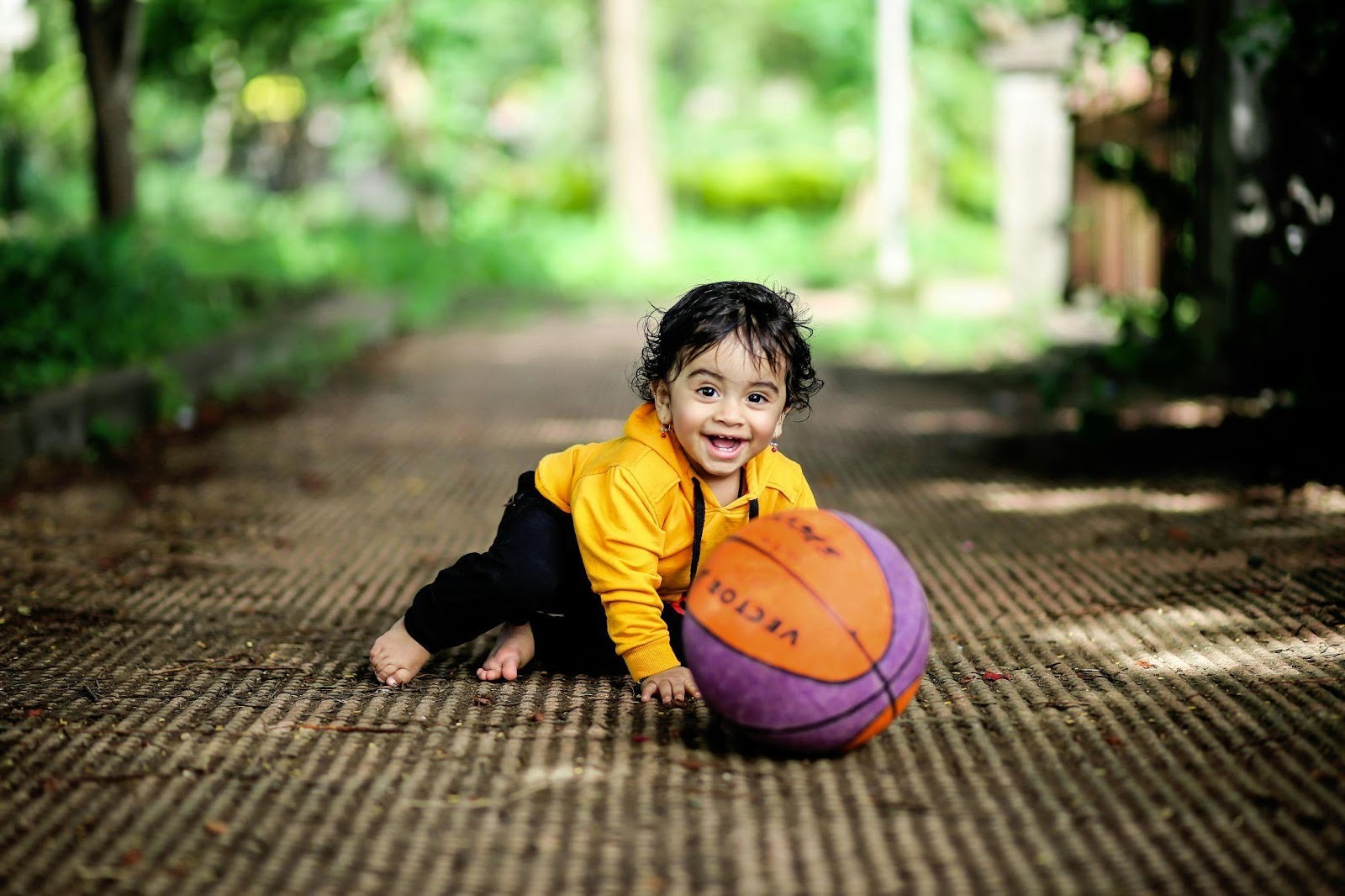
Have you observed how your child responds to emotions or interacts with others and wondered what influences these behaviors? A child’s early social and emotional experiences mainly take place at home and depend largely on regular interactions with their parents.
In their early development years, when children are learning to identify emotions and establish connections with others, the role of parents in child development is significant. This blog examines how your daily routine, communication style, and interaction may gradually shape your child’s emotional stability and social behavior.
Table of Contents
How Parents Support Emotional Development in Children
Parents as Emotional Role Models
You are usually the first person your child sees when they are learning how to deal with emotions. Children might see your reactions to stress, disappointment, or happiness in everyday situations. Your calmness and polite conversation can help them learn how to respond thoughtfully. Your child may begin to understand that emotions can be controlled steadily and positively if you manage them well.
Building Emotional Security at Home
A peaceful home can enable children to feel secure enough to share their emotions and thoughts. Your child may find it easier to communicate their emotions or concerns if you are patient and attentive in your responses.
Regular conversations, availability and your approaching nature can help create a secure emotional environment. These small but important aspects usually make children feel that they are not alone in facing challenges or changes.
Teaching Children to Understand Feelings
Assisting children in identifying and expressing their emotions can be a gentle and enjoyable experience. You can help them express emotions like joy, rage, or surprise through words, facial expressions, and actions.
Kids may find it easier to connect their feelings to what is going on around them if they are more aware of their surroundings. Over time, this process may help children become more emotionally aware and express their emotions better.
Encouraging Healthy Emotional Expression
At every developmental stage, children may express their feelings in different ways. You can assist the child in expressing himself in a respectful manner by first allowing and then acknowledging his feelings and emotions without judging them.
Giving children the required support during difficult times may help them learn how to respond appropriately to emotions. This method strengthens the role of parents in child development by promoting emotional balance instead of emotional avoidance.
How Parents Influence Social Skills and Behavior
Teaching Social Values Through Daily Actions
Kids generally pick up social attitudes and behavior by watching adults at home. You might realize that manners, kindness, and sharing come along through everyday practices. As a parent, even the smallest actions, like saying hello to people courteously or listening to others, can provide a practical illustration.
All these little moments of daily life can have a significant impact on how kids behave outside of their homes.
Encouraging Positive Peer Interaction
When children play with their peers, it can be an opportunity for them to learn social skills. Hence, you can facilitate sharing, taking turns, and encourage teamwork in a very polite and subtle way while interacting with them.
Guiding your child’s interactions can enhance their social confidence. In a supportive and nurturing setting, these exchanges often offer children the chance to develop their communication and problem-solving skills.
Setting Clear Social Boundaries
When children are aware of clear and consistent boundaries, they find it easier to understand what behavior is appropriate and what is not. Simple conversations about cooperation, respect, and personal space can help guide them in everyday situations.
Setting reasonable boundaries may encourage children to handle social situations with greater responsibility and awareness.
Conclusion
Understanding the role of parents in child development can help you communicate more effectively with your child. A child’s emotional and social development usually happens slowly over time and is shaped by their everyday experiences, guidance, and what they observe around them.
As a parent, you play an important role in building a strong foundation for your child’s development by staying calm, encouraging them to express their emotions, and supporting positive relationships with others.
-

-

-

-

-

-