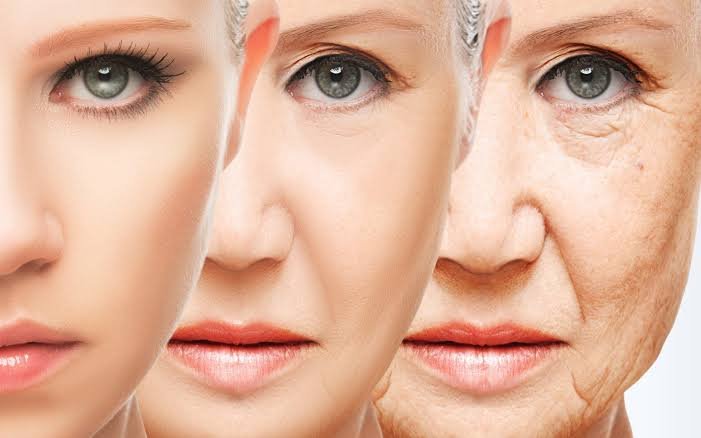
You can see the shift everywhere you look; on social media feeds, in conversation over lunch, or across group chats. People in their early twenties and thirties are walking into aesthetics clinics with a completely different mindset than previous generations. They are not trying to turn back the clock. They want to pause it before it even moves.
Twenty years ago, cosmetic treatments were mostly reactive. A person noticed deep lines across their forehead, or static creases around their mouth, and decided to do something about it. The goal was restoration. Today, the entire logic has flipped on its head. Prevention sits at the center of the modern beauty conversation. The idea is simple enough: if you stop the muscle from making the repeated motion that breaks down collagen, the wrinkle never takes root in the first place.
Is it cultural pressure? Is it early education about skin health? Or maybe it represents a total reshaping of how people view self-care. The reality sits somewhere in the middle of all three.
Table of Contents
The Cultural Shift Toward Pre-Emptive Care
Look at how skincare culture expanded over the past decade. Skincare used to mean a basic cleanser, a tub of heavy cream, and maybe a tub of aloe vera for sunburns. Now, twenty-somethings discuss active ingredients, skin barriers, and cellular turnover with the precision of a chemist. The move toward injectables feels like a natural step along that same road.
People used to keep their cosmetic appointments quiet. A secret trip to a quiet office on the edge of town was the norm. Now? People post their appointments on video platforms while sitting in the chair. Normalization happened quickly. When treatment becomes visible, accessible, and openly discussed, the barrier to entry drops significantly.
Social media filters play a massive role here, too. Seeing a smooth, poreless, perfectly symmetric version of one’s own face on a screen every day creates a subtle mental anchor. People get used to that digital version. When they look in a regular mirror, small dynamic lines suddenly look like flaws that need immediate attention.
There is also a clear economic shift in how young adults spend money. Experiences and personal maintenance have taken priority over traditional long-term investments for many. A quick routine touch-up feels manageable, predictable, and immediately rewarding.
How the Mechanics of Prevention Actually Work
The core idea behind early intervention relies on smooth muscle relaxers. Every time you smile, squint, or frown, the muscles under your skin contract. Over time, those repeated movements fold the overlying skin. When skin is young and full of bouncy elastic fibers, it snaps right back. As collagen production slows down, those folded lines begin to stay even when the face sits completely at rest.
Early treatments interrupt this exact cycle. By relaxing the specific facial muscles responsible for harsh creasing, the skin gets a rest period. It remains smooth because it avoids constant folding.
Clinics and medical spas must maintain reliable access to high-grade products to meet this rising demand. Sourcing certified formulations remains critical for medical directors who manage high-volume practices. Clinics looking to maintain inventory often choose to buy Dysport wholesale from authorized suppliers to ensure they receive authentic, regulated products for their patient base. When a provider maintains consistent inventory, younger patients can stick to their micro-dosing schedules without interruptions.
This proactive approach changes the treatment style entirely. Younger clients rarely ask for total freezing. They want subtle movement. They ask for soft, natural results that keep their expressions intact while keeping deep ridges at bay.
Key Drivers Behind the Early-Intervention Trend
Several factors collided at once to turn preventative injectables into a mainstream habit among Gen Z and Millennials:
- High-definition video calls forced people to stare at their own live facial movements for hours every week during work meetings.
- Public discourse around cosmetic treatments transformed from secretive taboo to casual lifestyle content.
- Advanced formulations allow for lighter, targeted micro-doses that preserve natural movement without creating a stiff appearance.
- Broad access to aesthetic education made younger consumers more knowledgeable about collagen depletion and skin structure.
These points highlight a fundamental change in mindset. Prevention is no longer seen as an extreme measure; it functions as a routine extension of a thorough skincare regimen.
High-Definition Visibility and Self-Perception
Video calls changed our relationship with our faces. Prior to remote work culture, people looked in the mirror a few times a day while brushing their teeth or getting dressed. Mirrors show static reflections. Video screens, however, show dynamic motion in real time under harsh lighting.
Sitting in front of a camera during daily meetings forced individuals to watch themselves talk, laugh, and concentrate. They noticed asymmetric brows, deep furrows between the eyes while reading emails, and fine crow’s feet around the eyes. That level of constant self-scrutiny simply did not exist for previous generations.
At the same time, camera sensors became sharper. Front-facing cameras on modern smartphones reveal every tiny texture change. When high-definition visibility meets the desire for a smooth appearance, preventative treatments look like a logical solution to many young professionals.
The Micro-Dosing Movement: Less Is More
Younger demographics do not want the heavy-handed aesthetic of the late nineties or early two-thousands. Heavy, immobile facial features are largely out of style. Instead, the current preference leans heavily toward the natural look.
This preference gave rise to techniques often called baby treatments or micro-dosing. Practitioners use smaller amounts of product scattered across strategic points. The goal is not total immobility; it is softening the impact of heavy expressions.
Because the dosage is light, the results fade gradually. This lower dosage requires clients to return on a predictable schedule if they want to keep the effect going. It creates a recurring routine, much like getting a haircut or maintaining a manicure. Injectables shifted from an occasional major procedure into regular personal maintenance.
Safety, Education, and Informed Choices
Information travels fast today. Younger consumers research procedures extensively before setting foot in a clinic. They watch full procedure breakdowns, read reviews, check practitioner credentials, and compare formulation details online.
This access to information demystifies the process. People understand the difference between smooth muscle relaxers and dermal fillers long before their first consultation. They know muscle relaxers target dynamic expression lines, while fillers restore volume loss.
Education creates confidence. When consumers understand the science behind how a product interacts with facial anatomy, fear vanishes. They see it as a scientific tool rather than a risky gamble.
However, high demand brings challenges. The market sees an influx of unqualified providers trying to cash in on the trend. Younger patients have to remain vigilant about choosing licensed, experienced practitioners who prioritize safety over low prices. Proper placement requires an intimate knowledge of facial anatomy; a tiny miscalculation can lead to uneven results or drooping brows.
Re-Defining the Meaning of Aging
Aging used to be viewed as a sudden event that happened later in life. You turned fifty, noticed wrinkles, and decided how to react. Now, aging is viewed as a continuous process that begins in your early twenties when natural collagen production starts its slow decline.
This mental shift changes everything. If aging happens continuously, then maintenance should happen continuously too. Sunscreen, retinoids, antioxidants, and preventative injectables all fit under the same broad umbrella of proactive health and aesthetic management.
Some critics argue that starting early creates unnecessary reliance on cosmetic procedures. Others counter that early maintenance requires far fewer invasive interventions later down the line. Both views hold truth. The decision ultimately rests on personal preference, budget, and individual goals.
What remains clear is that the trend shows zero signs of slowing down. Younger demographics continue to drive the aesthetic industry forward, demanding subtle results, transparent practices, and accessible care. Preventative anti-aging has officially moved from a niche concept into the mainstream spotlight, reshaping the beauty landscape for years to come.
-
-

-

-
-
-