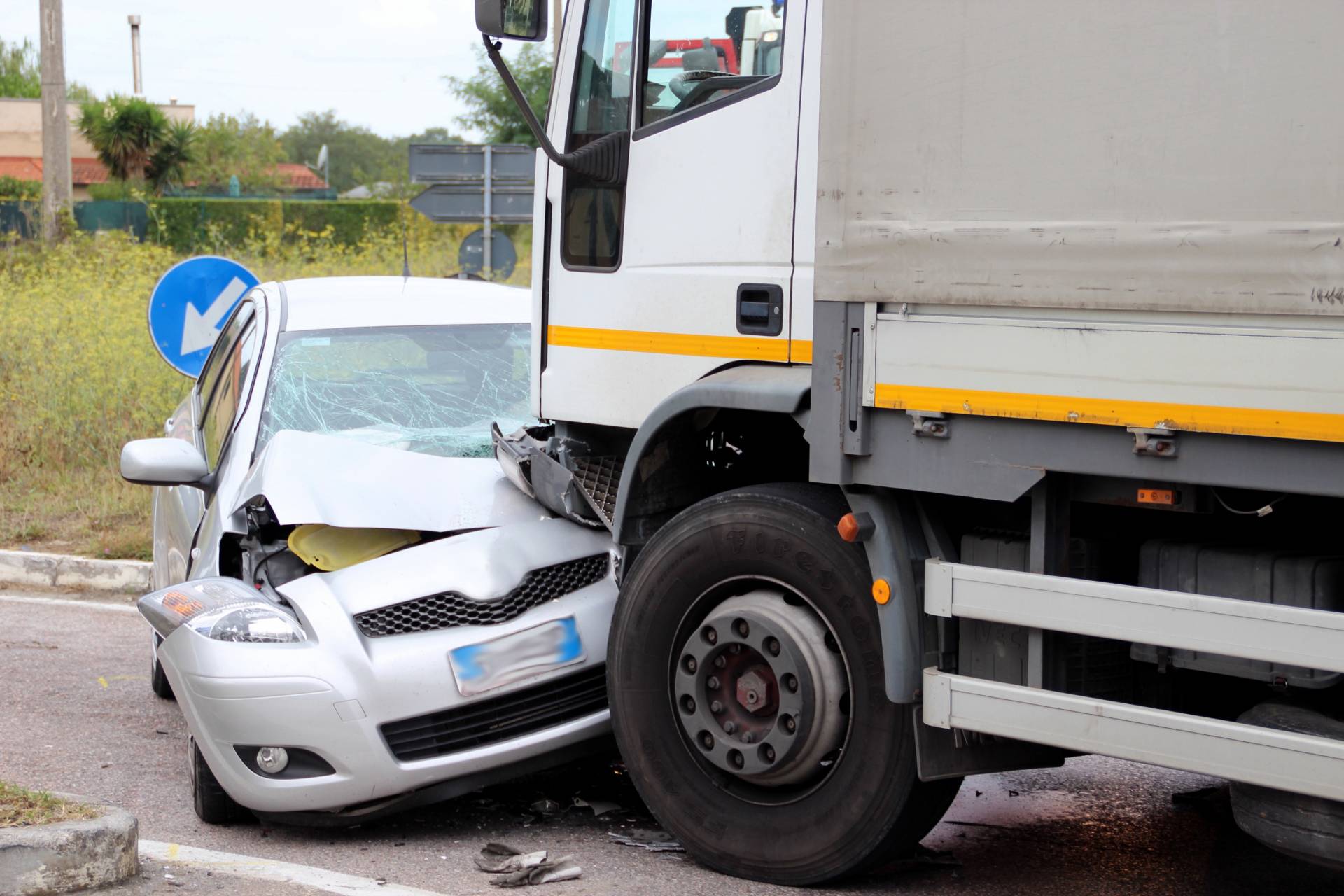
When someone is involved in a collision with an Amazon delivery vehicle in the Elgin area, the immediate assumption is often that the legal process will follow a familiar path — file a claim, negotiate with an insurer, and reach a settlement. That assumption is usually wrong. Amazon’s operational structure introduces layers of complexity that most general personal injury attorneys are not prepared for when they first take a case. Understanding those layers before you hire anyone is not just helpful — it is the difference between a well-managed legal process and a prolonged, expensive one that produces inadequate results.
This is not a guide about how to find a lawyer quickly or what to say at a consultation. It is an honest account of what actually happens inside these cases — the structural issues, the liability questions, the insurance architecture — that most attorneys only explain after you have already signed a retainer.
Table of Contents
Why Amazon Accident Cases Are Structurally Different From Other Truck Accidents
Amazon does not operate its delivery network the way a traditional trucking company does. Most people assume that if an Amazon-branded vehicle hits them, they are dealing directly with Amazon as an employer and insurer. That is rarely accurate. Amazon has built a delivery system that relies heavily on third-party Delivery Service Partners — independent contractors who operate their own small fleets under Amazon’s brand and operational direction. This distinction matters enormously when it comes to determining who is actually liable for your injuries.
For anyone trying to understand the full scope of how these cases work before speaking with an attorney, reviewing an Elgin Amazon Truck Accident Lawyer guide that addresses these structural issues specifically can help frame the right questions before a consultation ever begins.
The Delivery Service Partner model creates a situation where multiple entities may share responsibility for the same accident. The driver may be employed by a small local logistics company. That company operates under contract with Amazon. Amazon itself sets the operational standards, the delivery schedules, and the performance metrics that often drive unsafe driver behavior. Identifying all potentially liable parties requires a legal team that understands how Amazon’s contracts are structured — not just how personal injury law works in general.
The Independent Contractor Question and Why It Is Not Straightforward
One of the first things an experienced elgin amazon truck accident lawyer will examine is whether the driver at fault was classified as an employee or an independent contractor at the time of the accident. This classification directly affects which insurance policy applies, what Amazon’s potential exposure is, and whether the DSP alone bears liability or whether Amazon shares it.
Illinois courts have increasingly scrutinized independent contractor classifications in cases where a company exerts significant control over a worker’s day-to-day activities. Amazon’s operational model — which includes route assignment software, real-time monitoring, delivery quotas, and performance scoring — is exactly the kind of arrangement that invites that scrutiny. A driver who has no meaningful control over their own schedule or workload may not legally qualify as an independent contractor, regardless of what their contract says. Attorneys who regularly handle these cases know to investigate this point early. Those who don’t may accept the initial classification at face value and pursue a narrower claim as a result.
How Delivery Pressure Contributes to Accidents
The logistics industry has well-documented patterns around driver fatigue, rushed decision-making, and inadequate vehicle inspections when delivery volumes are high. Amazon’s model compounds this by creating time-sensitive delivery windows enforced through algorithmic monitoring. Drivers working under those conditions are statistically more likely to speed, skip vehicle checks, or make poor decisions in traffic.
According to research documented through the Federal Motor Carrier Safety Administration, pressure-related factors in commercial driving operations are among the primary contributing causes of preventable accidents. In an Amazon accident case, this operational context is not just background information — it is evidence. An attorney who understands how to obtain and use Amazon’s driver performance data, route logs, and delivery records can build a substantially stronger case than one who treats the accident as an isolated event.
The Insurance Structure That Most Claimants Don’t Know Exists
Amazon maintains what is known as a commercial umbrella policy that can apply when a DSP’s own insurance is insufficient to cover the damages in a case. This is not publicly advertised, and many attorneys outside of commercial vehicle litigation are unaware of how to access it. The existence of this layered insurance structure means that even when a small DSP’s policy limits are exhausted, there may be substantially more coverage available — but only if the claim is structured and pursued in a way that triggers it.
An elgin amazon truck accident lawyer who has handled these cases before will know that the standard approach of filing a claim against the nearest available insurer is almost always insufficient. The correct approach involves identifying every insurance layer that could apply to the specific circumstances of the accident, which requires a thorough understanding of how Amazon’s contracts with its DSPs define liability and indemnification obligations.
Why Low Initial Settlement Offers Are Particularly Common in These Cases
Insurance adjusters working on behalf of Amazon’s DSP network are not inexperienced. They understand that most claimants are not aware of the full insurance picture, and they make early offers that reflect only the most visible layer of coverage. For injuries that involve significant medical treatment, lost income, or long-term limitations, those initial offers are rarely close to what the case is worth.
Accepting an early settlement without legal representation — or with an attorney who is unfamiliar with commercial vehicle claims — is one of the most common mistakes people make in these cases. Once a settlement is accepted and signed, the ability to pursue additional compensation is generally eliminated, regardless of what additional damages emerge later. Understanding this dynamic before any offer is made is a meaningful form of protection.
What the Evidence Gathering Process Actually Requires
In a standard car accident case, the evidence is largely static — police reports, photographs, witness statements, and medical records. In a commercial vehicle case involving Amazon, the evidence landscape is considerably more dynamic and time-sensitive. Electronic data begins disappearing quickly after an accident, and the entities holding it are under no obligation to preserve it unless they receive a formal legal demand.
A qualified elgin amazon truck accident lawyer will typically issue a litigation hold notice within days of being retained. This notice formally demands that Amazon, the DSP, and any relevant third parties preserve all electronic records, including GPS route data, telematics logs, driver performance records, and communications related to the driver’s schedule on the day of the accident. Failing to issue this notice promptly allows data to be overwritten or deleted through routine business operations — and with it, some of the most compelling evidence in the case.
The Role of Vehicle Inspection and Maintenance Records
Commercial vehicles are subject to federal maintenance requirements that do not apply to standard passenger cars. If a vehicle defect — worn brakes, improper tire maintenance, or a malfunctioning safety system — contributed to the accident, that opens a separate line of liability against the party responsible for maintaining the vehicle. DSPs bear responsibility for their fleets, but their compliance with federal inspection standards varies considerably.
Obtaining maintenance records requires early legal action in most cases, and interpreting those records requires familiarity with commercial vehicle regulations. This is not a task well-suited to a general practice attorney handling their first commercial vehicle case. The difference between a thorough records review and a surface-level one can be the difference between a single liable party and multiple defendants.
Choosing the Right Legal Representation for This Type of Case
The criteria most people use when selecting personal injury attorneys — proximity, visible advertising, or a general track record in accident cases — are not the most relevant criteria for an Amazon truck accident claim. What actually matters is whether the attorney has specific experience with commercial carrier claims, understands Amazon’s operational and contractual structure, and has the resources to conduct a thorough investigation before accepting any settlement discussions.
An experienced elgin amazon truck accident lawyer will typically ask early questions about the driver’s vehicle type, whether it carried Amazon branding, what company the driver said they worked for, and whether any paperwork was exchanged at the scene. These details help establish the chain of liability before any formal investigation begins. Attorneys without this background often do not know which questions to ask until the case has already been filed — at which point the options for shaping the legal theory become narrower.
The Timeline Reality of These Cases
People often expect commercial vehicle cases to resolve faster than they do, particularly when liability seems clear. In Amazon accident cases, the timeline is usually extended by the complexity of the insurance and liability structure, the volume of electronic evidence that must be obtained and analyzed, and the likelihood that multiple parties will attempt to shift responsibility onto each other before any settlement discussions begin.
A realistic legal timeline in these cases is often measured in months, not weeks. That is not an indication that the case is going poorly — it is the natural consequence of dealing with a sophisticated commercial entity that employs experienced claims management teams. Understanding this from the outset prevents the frustration that leads many claimants to accept inadequate offers simply because the process takes longer than they anticipated.
Closing Perspective
The gap between what Amazon accident cases appear to involve and what they actually require is significant. Most claimants enter the process without knowing how Amazon’s delivery network is structured, how its insurance layers operate, or how quickly critical evidence disappears. Most attorneys who take these cases without prior commercial vehicle experience learn these things over the course of the representation — at the client’s expense.
The most useful thing anyone can do after an accident involving an Amazon vehicle is to slow down before making any decisions. Do not speak with insurance adjusters, do not sign anything, and do not assume that a familiar-sounding settlement process will lead to a fair outcome. Find an attorney whose specific background includes commercial carrier claims, ask direct questions about their experience with Amazon’s DSP structure, and understand the timeline and evidence requirements before committing to any course of action.
The information in this article is not designed to create urgency. It is designed to create clarity — because in these cases, the claimants who understand the structure of the problem are the ones who are in a position to make sound decisions when it matters most.
-

-

-

-

-

-