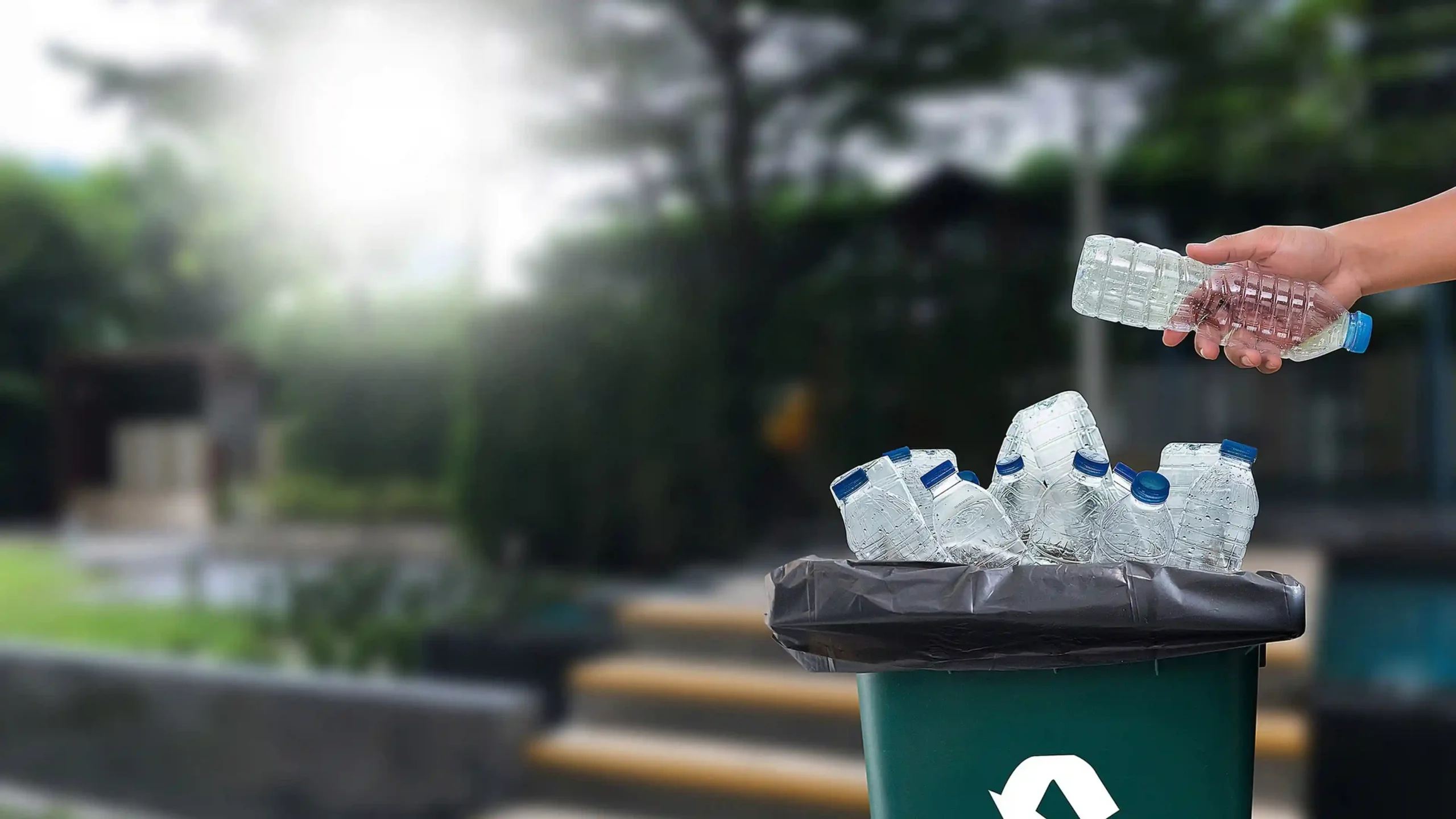
Waste is often treated as a routine part of doing business. Materials come in, work gets done, and leftovers are removed. That simple view, however, can hide a larger issue. Waste affects operating costs, workplace efficiency, environmental performance, safety, compliance, and even brand reputation.
A smarter waste management plan is not only about throwing less away. It is about understanding where waste starts, how it moves through a facility, and what can be done to reduce, reuse, recycle, or handle it more effectively. When businesses take this approach, they often find that better waste practices support both sustainability and cost control.
This matters across many industries. Warehouses, manufacturing plants, construction sites, distribution centers, offices, retail facilities, and food operations all generate waste in different forms. Some waste is visible and easy to measure. Some is hidden in poor workflows, damaged materials, inefficient storage, or unnecessary hauling.
Long-term improvement starts with seeing waste as a system, not a single problem.
Table of Contents
Why Waste Management Deserves More Attention
Waste management is sometimes viewed as a back-end task. It happens after production, after packaging, after shipping, or after a service is complete. By then, the main business activity has already taken place. But the cost of waste does not begin at disposal.
It may begin when too much raw material is ordered. It may come from damaged inventory, poor sorting, outdated equipment, or unclear employee procedures. It may also show up through high hauling fees, landfill charges, safety risks, or missed recycling opportunities.
Every pound of waste has a history. It was purchased, stored, handled, moved, and then discarded. That means waste often represents money already spent.
Better waste practices allow companies to identify these patterns. A business may discover that packaging waste is excessive because supplies arrive in non-recyclable materials. A facility may learn that scrap is increasing because equipment is not calibrated properly. A warehouse may find that employees are discarding reusable materials simply because no collection point exists.
These are practical issues. They are also fixable.
The Link Between Sustainability and Cost Efficiency
Sustainability and cost savings are sometimes treated as separate goals. In waste management, they are closely connected.
Reducing waste usually means using fewer resources. That can lower purchasing costs. Reusing materials can reduce replacement expenses. Recycling can decrease landfill volume and may create opportunities for material recovery. Better sorting can also help businesses avoid contamination fees or unnecessary disposal charges.
The environmental benefits are clear. Less waste sent to landfills means reduced pressure on disposal systems. More efficient material use means fewer natural resources are consumed. Lower waste volumes can also reduce transportation needs, which may help cut emissions connected to hauling.
Waste removal is not free. Businesses often pay for containers, pickups, labor, handling, and disposal. When waste volumes grow, these costs usually rise. For projects generating large volumes of debris — such as a renovation or cleanout — having a reliable option like dumpster rental in Highlands Ranch, CO can give businesses and homeowners a cost-effective way to manage bulk waste without the burden of repeated hauling trips. A more organized approach can reduce the frequency of pickups, improve container use, and limit expensive last-minute waste handling.
This is where sustainability becomes practical. It is not only a public-facing promise. It becomes part of daily operations.
Start With a Waste Audit
A waste audit is one of the most useful first steps. It gives a business a clear picture of what is being discarded, where it is coming from, and how it is currently handled.
A basic audit should identify the main waste streams. These may include cardboard, plastic, wood, metal, paper, food waste, packaging, hazardous materials, electronic waste, or general trash. The audit should also look at volume, frequency, disposal costs, and current vendor practices.
The goal is not to create a complicated report for its own sake. The goal is to find usable information.
For example, a company may learn that recyclable cardboard is being thrown into general waste bins. Another may find that scrap metal is mixed with trash instead of being collected separately. A facility may realize that waste containers are placed too far from work areas, causing employees to use the nearest general bin instead of sorting correctly.
Small details can produce large results.
A waste audit also creates a baseline. Without a starting point, it is difficult to measure progress. Once a business knows how much waste it produces and what it spends, it can set realistic goals and track improvements over time.
Improve Sorting and Material Flow
Sorting is one of the most common waste management challenges. Even when recycling options exist, they often fail because employees are unsure where items belong or because bins are poorly labeled.
Clear sorting systems help. Containers should be easy to identify, placed where waste is actually generated, and supported by simple instructions. Color-coded bins, signs with images, and brief employee training can reduce confusion.
Material flow also matters. Waste should move through a facility in a way that is safe and efficient. If employees have to carry heavy scrap across long distances, the system is likely to break down. If recyclable materials are stored in a crowded area, they may become contaminated or damaged.
The right handling equipment can make this process easier. In industrial and warehouse settings, tools such as carts, bins, compactors, balers, and self-dumping hoppers can help teams collect, move, and separate waste more efficiently. This reduces manual handling and supports cleaner work areas.
Better flow saves time. It can also lower the risk of injuries, blocked walkways, and material mix-ups.
Reduce Waste at the Source
The most effective waste is the waste that is never created. Source reduction focuses on preventing unnecessary waste before it enters the disposal stream.
This may involve reviewing purchasing practices. Buying materials in bulk, choosing reusable packaging, or working with suppliers that offer take-back programs can reduce waste before it reaches the facility. Companies can also evaluate whether certain materials are being overused or ordered in the wrong sizes.
Production processes should be reviewed as well. Scrap, defects, rework, and damaged goods all contribute to waste. Reducing these problems may require better training, preventive maintenance, improved quality control, or equipment upgrades.
In office environments, source reduction may be simpler. Digital documents can reduce paper use. Reusable kitchen supplies can replace disposable items. Printer settings can default to double-sided printing. These changes may seem small, but they add up over time.
The U.S. Environmental Protection Agency provides useful context on sustainable materials management by encouraging businesses and communities to consider the full life cycle of materials, not just their disposal.
That life cycle view is important. A product or material has environmental and financial impacts before it ever becomes waste.
Use Data to Guide Decisions
Good waste management depends on measurement. Businesses should track what they discard, what they recycle, and what they spend. This information helps leaders see whether changes are working.
Useful metrics may include total waste volume, landfill diversion rate, recycling contamination rate, pickup frequency, disposal cost per month, and waste generated per unit of production. For service businesses, waste may be measured by location, department, or project.
Data makes waste less abstract. It turns a general problem into specific numbers.
For example, a facility may discover that one department produces far more waste than others. That does not automatically mean the department is doing something wrong. It may handle more packaging, use different materials, or lack proper collection containers. Data helps identify where to look.
Waste vendors can also provide helpful reports. Some hauling companies offer monthly summaries showing pickup volumes and disposal categories. These reports can support internal goals and help businesses negotiate better service arrangements.
Train Employees and Build Accountability
Even the best waste management plan will fail if employees do not understand it. Training should be simple, direct, and repeated when needed.
Employees should know what materials go where, why sorting matters, and whom to contact if containers are full or labels are unclear. New hires should receive basic waste procedures during onboarding. Existing staff should receive updates when systems change.
Accountability should be practical, not punitive. Supervisors can monitor problem areas, review contamination issues, and encourage better habits. Teams can also be given visible progress updates, such as monthly recycling improvements or reductions in general waste.
People are more likely to follow a system when they understand the reason behind it. They are also more likely to participate when the system is convenient.
Final Thoughts
Waste is more than something to remove. It is a sign of how materials, money, labor, and processes move through a business. When waste is unmanaged, it quietly increases costs and reduces efficiency. When it is handled thoughtfully, it becomes an opportunity for improvement.
Businesses do not need to solve every waste problem at once. They can begin with an audit, improve sorting, reduce unnecessary material use, train employees, and work with better data. Each step builds on the last.
-
-
-

-

-

-