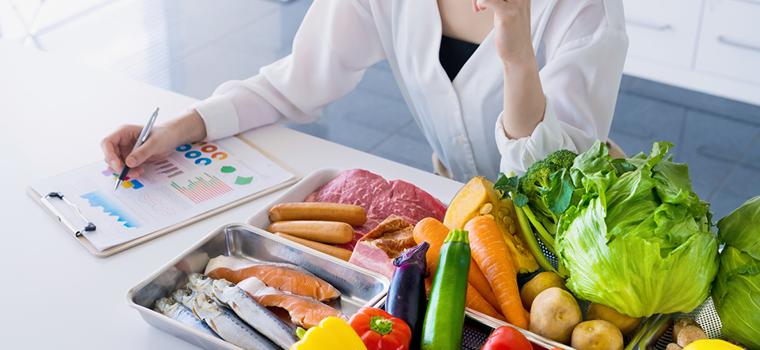
Many people know that their diets are not particularly healthy. They hear it from their doctors, they see facts laid out on social media, and they get nudges from their loved ones to make a positive change. But even if that is the case, they still find it hard to adopt healthier diets. Why is this? Well, according to emerging research on human behaviour, our relationships with food are closely linked to our emotions, environments, and financial status.
So, while one person may find it easy to gravitate towards a healthier diet with tons of whole foods and colourful plants, another may face one roadblock after another. Luckily, with a few hacks, even the people who struggle to make changes can improve their diets one step at a time. Let us see how this plays out.
What Bars People from Healthy Nutrition?
We love to protect the things we value because we know that replacing them is not only costly but also time-consuming. Take engine stands as an example. Airlines rely on these machines to support aircraft engines during repairs, maintenance, and overhauls. And to ensure that these platforms serve them for decades, they turn to organisations like Magnetic Enginestands to provide them with suitable engine stand covers. So, if airlines can do this for their engine stands, why do human beings find it hard to take the necessary measures to protect their health?
- The cost of fresh food. Many people struggle to make ends meet, what with the rising costs of living. At the same time, highly processed foods such as boxed dinners and convenience snacks tend to cost much less than the fresh alternatives, such as berries and fresh fish. As a result, many people turn to these highly processed foods to save money.
- The convenience of fast food. With many people leading busy lives, the very thought of preparing a meal from scratch can feel overwhelming. So many of them turn to microwaveable meals or takeout because it saves them time. It also helps to note that many people live in food deserts, which limits their access to fresh produce.
There is also confusion about what is considered healthy because there is a lot of black-and-white, blanket advice on social media. People go from doing keto one week to embracing whole carbs the next, and these oscillations can be tiring for the average person who is not well-versed in nutrition. It is quite natural for people to give up trying because they cannot make heads or tails of what will actually work to improve their health.
Can Nutrition Be Easy And Affordable?
Looking at fitness influencers online, it can be quite easy to think that healthy nutrition requires you to invest in organic kale, premium protein powders, and a host of other expensive foods. But truth be told, you can achieve impressive results by keeping things simple as follows:
- Buy canned and frozen produce. There is a misconception that frozen and canned produce is not as nutritious as fresh produce, but that could not be further from the truth. In fact, frozen and canned produce is picked at peak ripeness, ensuring it has an abundance of nutrients. Besides, they last longer, cost considerably less, and are often ready to cook.
- Make small swaps. Overhauling your diet at once may sound ideal on paper, but in reality, it can be overwhelming. Rather than doing this, focus on making gradual swaps. For example, if you often eat white bread, swap it for whole-wheat bread and consider keeping other meals as they are. The more you get used to fibrous whole foods, the easier it will be to make other swaps in the future.
- Cook in bulk. Time is a significant barrier to healthy nutrition, as many people simply do not have the time to make meals from scratch every day. However, you can still enjoy fresh meals at home by making several large batches of food once a week. This way, you can heat up the meals that you want at each meal, which saves you a lot of time.
It is also advisable to buy generic or store-brand versions of foods such as canned goods, oats, and peanut butter. They typically have the same nutritional value as the brand-name items but come with lower price tags. Often, you will find these on the bottom shelves.
-

-

-

-

-

-