
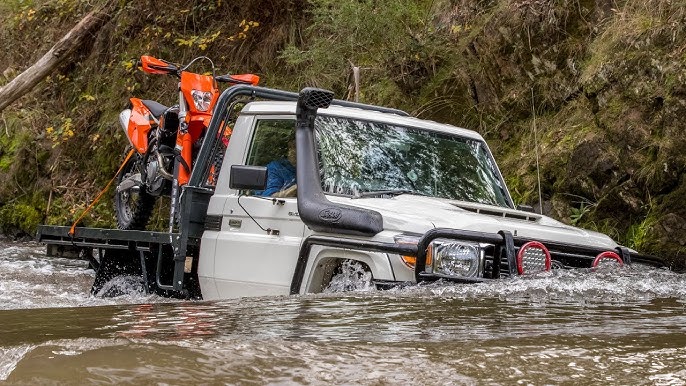
When planning upgrades for touring or weekend tracks, many drivers eventually ask whether a snorkel 4WD setup is worth fitting. The idea sounds simple. Raise the intake and let the engine breathe from a higher point. Still, the decision usually comes down to how you use your vehicle and whether the upgrade delivers practical value during real Australian driving conditions.
Table of Contents
What Changes After Adding a Snorkel?
Raising the intake changes where your engine draws air from, which can influence how the vehicle performs in dusty convoy travel or on long outback drives. Air taken from roof height tends to be cooler and less contaminated by the dust that sits around bonnet level when vehicles travel in groups.
Drivers sometimes chase performance thrills by planning a weekend where they rent a supercar, yet practical modifications often matter more for vehicles that handle daily driving and off road trips. A raised intake helps keep airflow steadier when you spend hours on gravel roads or bush tracks. That difference can make long drives feel more consistent rather than strained.
Does a Snorkel Improve Engine Efficiency?
An engine runs better when the air entering the intake stays clean and steady. Drawing air from a higher point can reduce the amount of fine dust reaching the filter, which helps the engine maintain smoother combustion during extended drives.
Better airflow conditions may also support efficient engine operation, particularly when travelling across dry inland roads where dust lingers around the bonnet area. Engines that breathe more cleanly often run closer to their intended performance range, which can influence fuel use and overall running behaviour. Stable airflow also helps systems that manage vehicle emissions, since those systems rely on predictable combustion conditions to operate effectively.
Is the Upgrade Worth the Cost?
The value of this upgrade often becomes clearer when the focus shifts to protecting the vehicle over time rather than only looking at the upfront cost. 4WD builds often include a budget for practical modifications that support reliable touring, especially before heading into remote areas where mechanical issues are harder to deal with.
A raised intake can reduce the risk of dust entering sensitive engine components during repeated off road trips. That protection may limit wear that slowly builds over time. Drivers who regularly tackle water crossings often view the upgrade as a form of mechanical insurance, since the higher intake position lowers the chance of water reaching the engine during shallow crossings.
Is a Snorkel Practical for Everyday Driving?
Many owners assume this upgrade only matters during tough off road trips, but everyday driving can still expose a vehicle to plenty of dust. Rural highways, gravel access roads, and beach tracks often push dust clouds toward the front of the vehicle where standard intakes sit.
A raised intake draws air from above that zone, which can help maintain cleaner airflow during long drives through regional areas. That benefit becomes noticeable during touring trips where vehicles spend hours travelling behind other cars along unsealed roads. The improvement is subtle during short trips around town yet becomes far more useful when covering distance.
Where Does a Snorkel Fit in Your Build?
Many 4WD builds evolve gradually as drivers prepare their vehicles for tougher travel conditions. A raised intake often appears early in that process because it supports engine protection while working alongside other practical additions.
Modern designs usually use rigid materials with sealed construction so airflow remains uninterrupted even in harsh Australian environments. Some systems also integrate smoothly with accessories mounted near the roofline. That compatibility allows owners to expand their touring setup later without needing to revisit earlier modifications.
Explore durable snorkel upgrade options designed for Australian conditions through Torqit.
-

-

-

-

-

-

