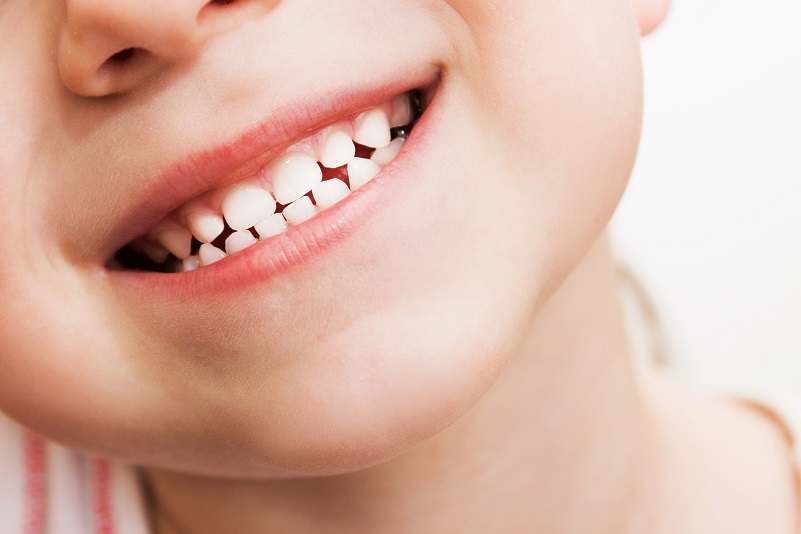
Your child’s dentist has identified cavities in their baby teeth and recommends fillings. Your immediate reaction might be skepticism: why spend money and subject your child to dental procedures for teeth that will fall out naturally within a few years? It seems logical that temporary teeth don’t require the same investment as permanent teeth, and many parents wonder whether dentists who recommend filling baby teeth are being overly cautious—or worse, recommending unnecessary treatment for financial gain. Understanding why pediatric dentists treat primary teeth despite their temporary nature helps you make informed decisions about your child’s dental care rather than dismissing recommendations as excessive or unwarranted.
The reality is that baby teeth play critical roles beyond just being placeholders, and neglecting cavities in primary teeth creates consequences that extend far beyond those temporary teeth. Working with an experienced pediatric dentist Rochester Hills families trust ensures your child receives appropriate care based on actual clinical need rather than overly aggressive or overly conservative approaches that don’t serve your child’s best interests.
Table of Contents
Why Baby Teeth Matter More Than You Think
They’re Placeholders for Permanent Teeth
Baby teeth maintain space in the jaw where permanent teeth will eventually erupt. If primary teeth are lost prematurely due to untreated decay, adjacent teeth can shift into that space, creating crowding problems when permanent teeth try to emerge. This often necessitates orthodontic intervention that could have been prevented by simply treating decay in baby teeth early.
The cost of filling a baby tooth—typically $150-$300—pales in comparison to orthodontic treatment costing $3,000-$7,000 to correct spacing problems caused by premature tooth loss.
They’re Essential for Proper Chewing and Nutrition
Children need functional teeth to eat a healthy, varied diet. Painful cavities cause kids to avoid certain foods—particularly crunchy fruits, vegetables, and proteins that require thorough chewing. This dietary limitation can affect nutrition during critical growth periods.
Additionally, children who can’t chew properly often swallow larger pieces of food, creating choking risks and digestive issues that wouldn’t exist with healthy, functional teeth.
They Affect Speech Development
Primary teeth play important roles in speech development. Children learning to form sounds and words rely on their teeth as reference points for tongue placement. Missing or severely decayed front teeth can interfere with proper pronunciation of certain sounds, potentially affecting speech development during crucial learning periods.
Infection Can Spread to Permanent Teeth
Perhaps most importantly, untreated cavities in baby teeth can lead to infections that damage the developing permanent teeth forming in the jawbone directly beneath the baby teeth. Abscesses in primary teeth can affect the enamel of permanent teeth as they develop, causing permanent discoloration, defects, or structural weaknesses that last a lifetime.
Once this damage occurs to developing permanent teeth, it cannot be reversed—your child may live with the consequences of untreated baby tooth decay for 60+ years.
When Baby Teeth Don’t Need Filling
Teeth Extremely Close to Natural Loss
If a baby tooth with a small cavity is literally weeks away from naturally falling out—so loose it’s barely hanging on—your dentist may reasonably recommend monitoring rather than treatment. There’s no point putting a child through a filling procedure for a tooth that will be gone before the cavity causes problems.
However, “close to falling out” means days or weeks, not “will fall out sometime in the next two years.” Parents often dramatically overestimate how soon loose teeth will actually fall out.
Very Minor Surface Cavities
Extremely small, superficial cavities that haven’t penetrated through the enamel into the dentin layer may be candidates for monitoring with improved hygiene and fluoride treatment rather than immediate filling. Not every dark spot or rough area constitutes a cavity requiring drilling.
However, this conservative “watch and see” approach requires excellent home care and regular monitoring appointments. If hygiene doesn’t improve or cavities progress, filling becomes necessary.
The Pain and Infection Risk
Baby Tooth Cavities Hurt Just as Much
Decayed baby teeth cause the same pain, infection, and discomfort as decayed permanent teeth. The fact that teeth are temporary doesn’t make the pain temporary or less significant. Children suffering from dental pain may have difficulty sleeping, eating, and concentrating in school.
Allowing children to experience preventable pain when treatment could easily resolve it seems cruel when you consider that the pain is identical regardless of whether the teeth are “temporary.”
Abscesses Can Be Dangerous
Untreated dental infections in children can spread beyond the tooth to surrounding tissues, creating facial swelling, fever, and potentially serious systemic infections. While rare, dental infections can become life-threatening if they spread to other parts of the body.
The risk of serious infection from an untreated cavity far outweighs the minor inconvenience of having it filled proactively.
The Cost-Benefit Reality
Many parents balk at spending $150-$300 to fill a baby tooth, viewing it as wasted money on something temporary. However, consider the alternatives: extraction costs $200-$400 if infection forces removal, space maintainers cost $300-$600 to prevent crowding after premature loss, orthodontics cost $3,000-$7,000 to correct spacing problems later, and emergency treatment for dental pain or infection costs $500-$1,000+ when problems escalate.
Filling a small cavity in a baby tooth is a preventive investment that typically costs less than dealing with the consequences of neglect. The temporary nature of the tooth doesn’t change the cost-effectiveness of early intervention.
Making Informed Decisions
Not every dentist who recommends filling baby teeth is overselling—most are providing evidence-based care that prevents larger problems. However, understanding why treatment is recommended helps you evaluate whether the specific recommendation for your child’s situation is appropriate.
Working with pediatric dentistry specialists at practices like Elegant Edge Dentistry, who focus on children’s dental health, provides access to professionals who understand the nuances of treating primary teeth, can explain why specific teeth do or don’t need immediate treatment, and prioritize your child’s long-term dental health over maximizing treatment revenue.
The bottom line: baby teeth are temporary, but the consequences of neglecting them often aren’t. Filling cavities in primary teeth is appropriate care that prevents pain, infection, and long-term complications affecting permanent teeth—not unnecessary treatment of “teeth that will fall out anyway.”
-

-

-

-
-
-