
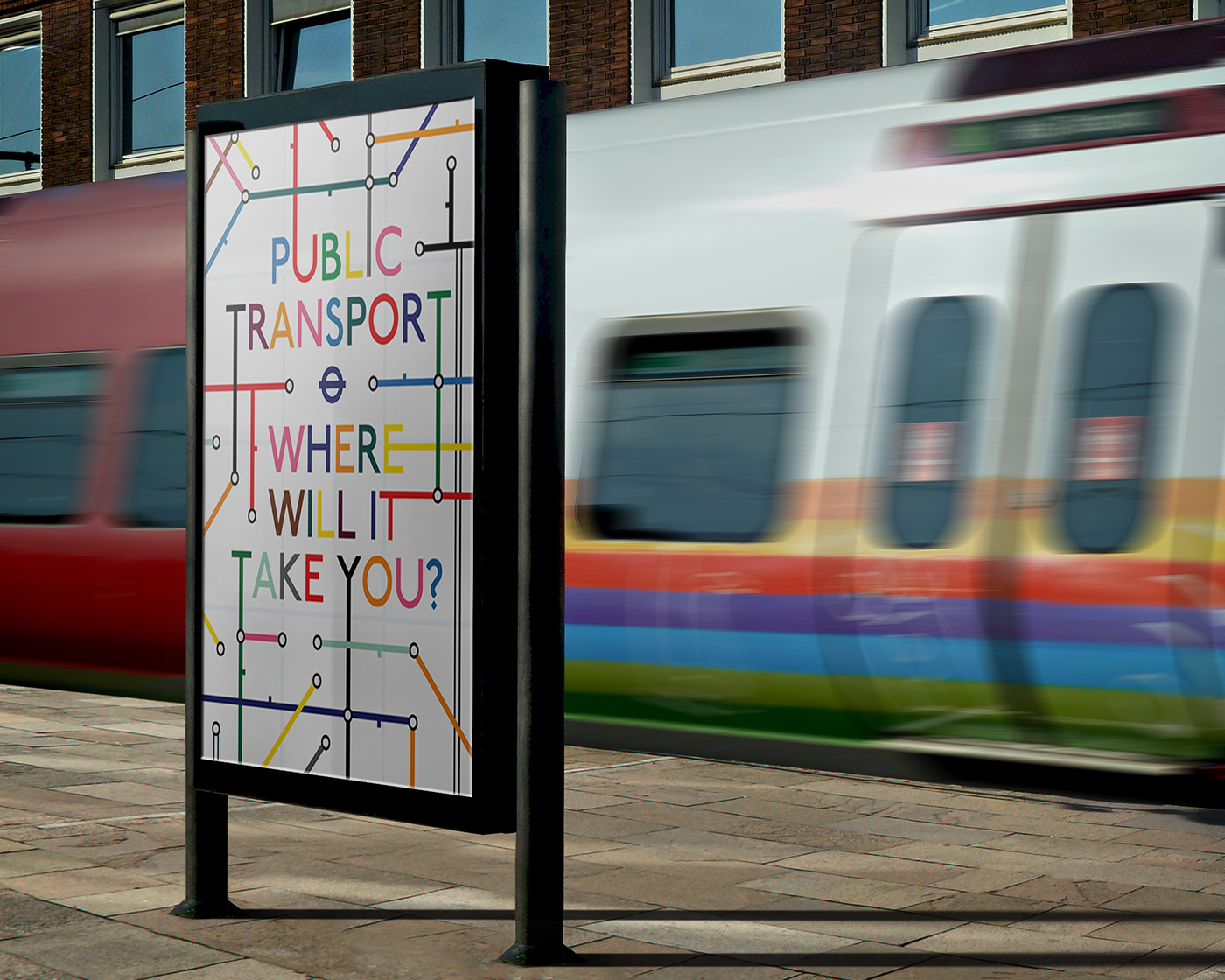
Public transport remains a central part of everyday life, yet the way it is marketed often feels stuck in the past. While millions still rely on buses, trains, and trams, the expectations and behaviors of commuters have shifted significantly. Flexible working, digital lifestyles, and increasing competition from alternative travel options have reshaped how, when, and why people travel.
This means public transport campaigns can no longer rely on simply promoting routes, fares, or timetables. To remain effective, they need to reflect how modern commuters think, feel, and make decisions. Read on to find out more.
Table of Contents
The End of the Traditional Commute
The predictable, nine-to-five commute is no longer the default. Hybrid working has introduced more varied travel patterns, with peaks spread across different days and times rather than concentrated into a single rush hour.
Campaigns built around outdated assumptions risk missing large portions of their audience. Messaging needs to acknowledge that people are traveling for a mix of reasons, including flexible work schedules, social activities, and personal errands. When campaigns reflect these real-world behaviors, they feel more relevant and more persuasive.
Visibility Isn’t the Problem, Relevance Is
Public transport has one major advantage over most industries: built-in visibility. Commuters spend extended periods in transit, creating repeated opportunities for messaging. However, high exposure does not guarantee engagement.
What matters now is whether the message resonates in that moment. Generic messaging quickly fades into the background, especially in busy environments where people are constantly filtering information. Campaigns that stand out are those that speak directly to commuter needs, whether that is saving time, reducing stress, or making travel more predictable.
Moving Beyond Information to Experience
For years, transport campaigns have focused heavily on functional information. While this is still important, it is no longer enough to influence behavior on its own.
Modern commuters are more influenced by how a journey feels than by how it works on paper. A campaign that highlights a smoother, less stressful journey or the ability to reclaim time during travel can be far more impactful than one that simply lists service details. This shift toward experience-led messaging reflects a broader change in consumer expectations across industries.
A Customer-Centric Approach Is Essential
One of the most important changes in effective transport marketing is the move toward a customer-first mindset. Instead of focusing purely on promoting services, campaigns need to address the real concerns and motivations of commuters.
Many people are open to using public transport more frequently, but hesitation often comes from concerns around reliability, convenience, or cost. Campaigns that directly address these concerns, while clearly communicating improvements or benefits, are far more likely to influence behavior.
Insights from approaches to public transport campaigns show that placing the commuter at the center of strategy leads to stronger engagement and more meaningful results.
Simplicity Is More Powerful Than Complexity
Public transport advertising often appears in fast-moving environments such as buses, stations, and busy streets. In these settings, people do not have time to process complex messages.
The most effective campaigns focus on a single, clear idea. Strong visuals and concise messaging ensure that the core point is understood almost instantly. When campaigns try to communicate too much at once, they risk being ignored altogether.
Local Context Makes Campaigns More Relatable
Transport is inherently tied to place, which means local relevance plays a crucial role in campaign effectiveness. Messaging that reflects specific routes, neighborhoods, or community needs tends to resonate more strongly than broad, generic communication.
When people see their own environment reflected in a campaign, it feels more personal and credible. This sense of familiarity can be a powerful driver of engagement and trust.
Integration Across Channels Strengthens Impact
Modern commuters interact with multiple channels throughout the day, from outdoor advertising to mobile devices and social media. Campaigns that operate in isolation miss opportunities to reinforce their message.
The strongest campaigns create a connected experience. A message seen on a bus or at a station is supported by digital content, making it easier for people to explore further or take action. This consistency builds recognition and keeps the message top of mind.
Sustainability Needs a Clearer Role
Public transport plays a vital role in reducing emissions and congestion, yet sustainability messaging is often underused or presented in ways that feel too abstract.
When framed correctly, sustainability can be a compelling reason to choose public transport. The key is to connect environmental benefits with personal advantages, such as saving money or contributing to cleaner cities. This makes the message feel more immediate and actionable.
Behavior Change Requires More Than Awareness
Most people are already aware of public transport options. The challenge is not awareness, but influencing behavior.
Effective campaigns go beyond simply promoting services. They focus on removing barriers, reinforcing positive perceptions, and giving people clear reasons to change their habits. This requires a deeper understanding of commuter psychology and a commitment to ongoing engagement rather than one-off messaging.
-

-

-

-

-

-

