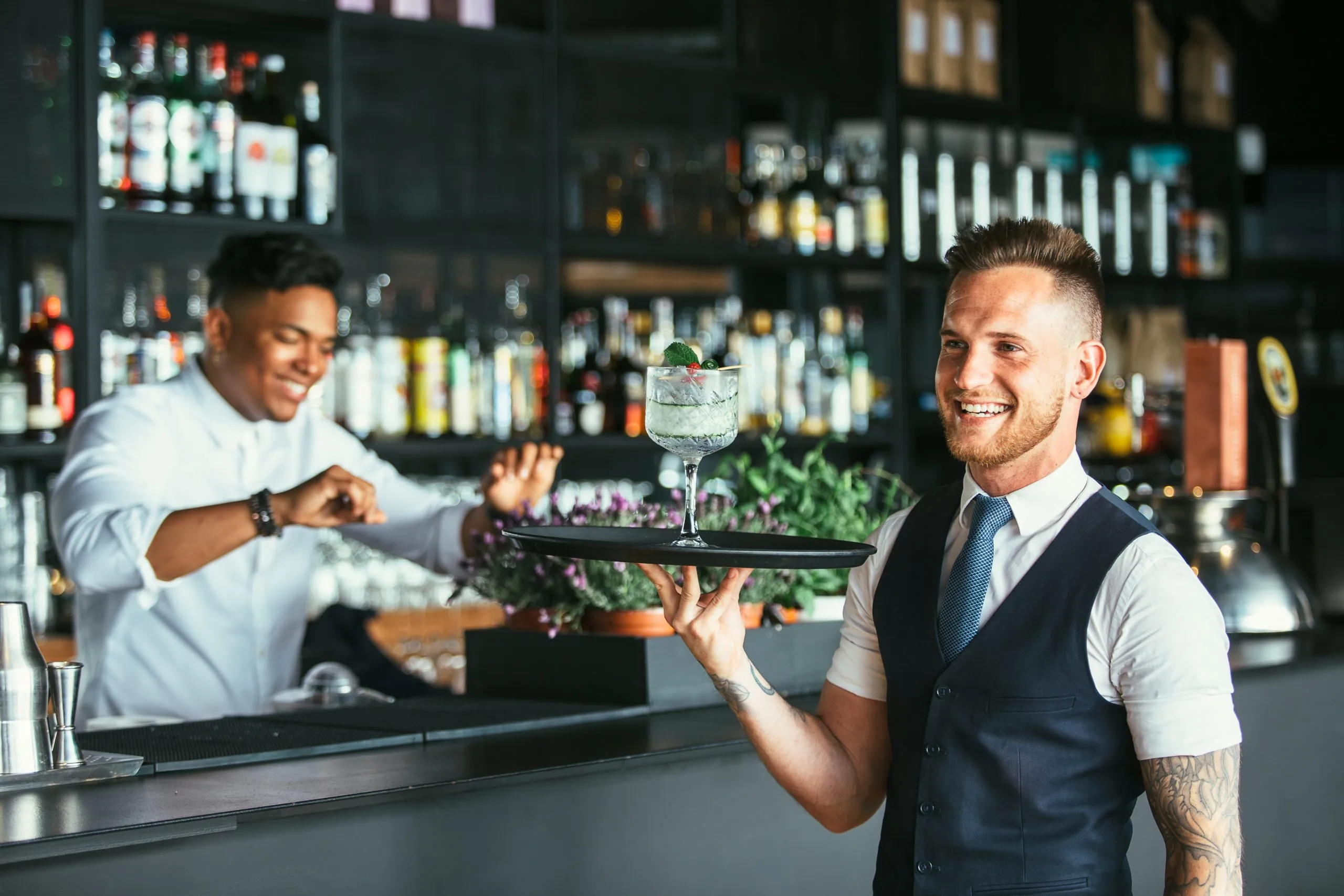
Running a food and beverage operation in San Antonio comes with a specific set of pressures that most business owners understand before they open. Inventory spoilage, staff turnover, liquor liability, kitchen fires, slip-and-fall incidents — these are not theoretical risks. They are operational realities that come up regularly in businesses that serve food and alcohol to the public. What is less understood, and often handled poorly, is how insurance is structured around these risks.
Most restaurant and bar owners in San Antonio end up over-insured in areas that rarely generate claims, and underinsured in areas that regularly do. This is not always the result of bad advice. It is often the result of how insurance products are sold to hospitality businesses — bundled broadly, explained minimally, and renewed without serious review. The result is a policy that looks comprehensive on paper but leaves real gaps when an actual incident occurs.
Understanding what coverage is genuinely necessary versus what gets added to inflate premiums is not a simple task, but it is a worthwhile one. This article is meant to help restaurant and bar operators in San Antonio approach that question with more clarity.
Table of Contents
The Foundation of Restaurant and Bar Insurance in San Antonio
Restaurant and bar operations carry a liability profile that is fundamentally different from most other small businesses. You are simultaneously managing food safety, alcohol service, physical premises with high foot traffic, and a workforce that operates under pressure in close quarters. Each of these elements creates a distinct category of risk, and insurance coverage needs to be structured to address each one separately — not rolled together under a generic commercial policy designed for retail or office environments.
For operators who want to understand how this coverage is typically structured in their market, a Restaurant Bar Insurance San Antonio Tx overview can provide a useful starting point for comparing what is commonly offered against what your specific operation actually requires. The core policies that form the foundation of a sound hospitality insurance program generally include general liability, liquor liability, commercial property, and workers’ compensation. These four categories address the most frequent and most financially significant risks that restaurants and bars face. Everything else — and there is usually a long list of add-ons — should be evaluated against the actual probability of a claim and the cost of coverage relative to that risk.
Why General Liability Alone Is Not Sufficient for Most Operations
General liability insurance covers third-party bodily injury and property damage that occurs on your premises or as a result of your operations. For a restaurant or bar, this means a customer who slips near the entrance, a table that collapses, or a food contamination incident that affects a guest. What general liability does not cover is the harm caused specifically by the sale or service of alcohol. That is a separate and significant exposure, and it requires its own policy form.
In Texas, dram shop liability applies to establishments that serve alcohol. Under the Texas Alcoholic Beverage Code, a bar or restaurant can be held liable if a customer who was visibly intoxicated is served and subsequently causes harm to themselves or others. This is not an edge case — it is a documented legal standard that has resulted in substantial judgments against hospitality businesses in Texas courts. Operating without liquor liability coverage in this environment is a meaningful financial risk, not a minor oversight.
Commercial Property Coverage and What It Actually Protects
Commercial property insurance for a restaurant or bar covers the physical building (if owned), equipment, fixtures, and inventory against perils like fire, theft, vandalism, and certain weather events. What operators often miss is how coverage limits are set. Many policies are written at replacement cost, but the insured value is set at the time the policy is written and may not reflect the actual current cost to replace commercial kitchen equipment, HVAC systems, or built-out bar infrastructure.
Equipment breakdown coverage is sometimes added as a rider and is worth examining carefully. Refrigeration failure, for example, can result in significant inventory loss and business interruption if a compressor fails during peak season. Whether this is worth adding depends on the age and reliability of your equipment and the volume of perishable inventory you carry at any given time.
Where Brokers Tend to Oversell Hospitality Businesses
There are several coverage types that regularly appear in restaurant and bar insurance packages that deserve closer scrutiny. This does not mean they are never appropriate — it means they are frequently added as defaults without a serious assessment of whether the specific business actually needs them.
Cyber Liability in a Food Service Context
Cyber liability coverage has become a common add-on for small businesses across nearly every industry. For a restaurant or bar that processes credit cards through a point-of-sale system and stores limited customer data, the actual cyber exposure is relatively contained compared to a healthcare provider or financial institution. Most payment processors carry their own fraud protection layers, and the practical risk to a small hospitality operator is not equivalent to the risk profile that cyber liability policies were originally designed to address.
This does not mean cyber coverage is never warranted. A bar with a large loyalty program database, online reservation system, or event ticketing platform has more exposure than a cash-heavy neighborhood restaurant. The point is that the decision should be based on your actual data handling practices, not on a default inclusion in a bundled package.
Business Interruption Coverage and Its Conditions
Business interruption insurance is designed to replace lost income when a covered event forces your operation to close temporarily. The challenge is that the coverage is only triggered by a direct physical loss from a covered peril — a fire, a burst pipe, a covered weather event. It does not cover government-mandated closures, supply chain disruptions, or loss of income due to staffing shortages. Many operators learned this distinction the hard way in 2020.
According to the Insurance Information Institute, business interruption claims are among the most disputed in commercial insurance because the conditions for coverage are specific and often misunderstood at the time of purchase. For a restaurant or bar considering this coverage, the most important question is not whether to carry it, but whether the policy form and the covered perils actually align with the types of disruptions your business is most likely to experience.
Business interruption coverage is worth carrying in most cases. The problem is that it is sometimes sold at coverage limits that do not reflect actual revenue, or with waiting periods that eliminate the benefit for short-term closures. These details matter and deserve a direct conversation with whoever is writing your policy.
Workers’ Compensation and the Hospitality Workforce
Workers’ compensation is not optional for most restaurant and bar operations in Texas, particularly once you reach the threshold where it becomes a practical and legal necessity based on your workforce size and structure. The hospitality industry has one of the higher rates of workplace injuries among service sectors — kitchen burns, slip-and-fall incidents among staff, lifting injuries, and cuts are all routine claims. Carrying workers’ compensation protects both the business and the employees who are injured, and it limits your exposure to lawsuits from injured workers.
Classification Codes and Premium Accuracy
One area where restaurant and bar owners often overpay on workers’ compensation is through incorrect employee classification codes. Different roles carry different risk ratings — a bartender and a line cook and a delivery driver all carry different expected injury rates, and the premiums are set accordingly. If your employees are grouped under a single higher-risk classification rather than coded accurately by role, you are paying a premium rate that does not reflect your actual workforce composition.
This is a common error that goes unnoticed through multiple renewal cycles. A simple review of how your workforce is classified can sometimes reduce workers’ compensation premiums meaningfully without changing coverage at all.
Evaluating Your Policy at Renewal
Most restaurant and bar operators renew their insurance policies without reviewing them in any meaningful detail. The premium changes slightly, coverage descriptions look similar to the prior year, and the renewal is signed. This approach works until it does not — which is to say, until a claim reveals a gap that could have been addressed at the last renewal.
A useful practice is to review your policy against your actual operations once a year, specifically looking at whether your coverage limits still reflect your current revenue, whether your property values are still accurate, whether you have added or discontinued any alcohol service programs, and whether your workforce composition has changed in ways that affect your workers’ compensation classification.
Restaurant bar insurance in San Antonio tx is not a static product. Your operation changes over time, and the policy that was appropriate when you opened may not be the right fit three years later. The review process does not need to be complicated — it needs to be honest about what has changed and whether the coverage still matches the actual risk profile of the business.
Conclusion: Coverage That Fits the Operation
The goal of insurance for a restaurant or bar is not to have the most comprehensive policy available. It is to have coverage that is genuinely calibrated to the risks your business carries — the ones that happen regularly and the ones that carry serious financial consequences when they do. General liability, liquor liability, commercial property, and workers’ compensation form the legitimate core of most hospitality insurance programs in San Antonio. What gets added beyond that should be evaluated carefully, not accepted as standard.
Brokers who specialize in restaurant and bar insurance are not inherently acting in bad faith when they recommend broad coverage. But the incentive structure of insurance sales does not naturally push toward minimalism. That pressure has to come from the operator — from understanding what you actually face day to day and asking direct questions about whether each line item in your policy addresses a real exposure in your specific business.
Restaurant bar insurance in san antonio tx is a competitive and well-served market, which means operators have real options when it comes to placing their coverage. Taking the time to understand what you are buying, and what you are not, is one of the more straightforward ways to protect both your business finances and your actual operating continuity.
-

-

-

-

-

-