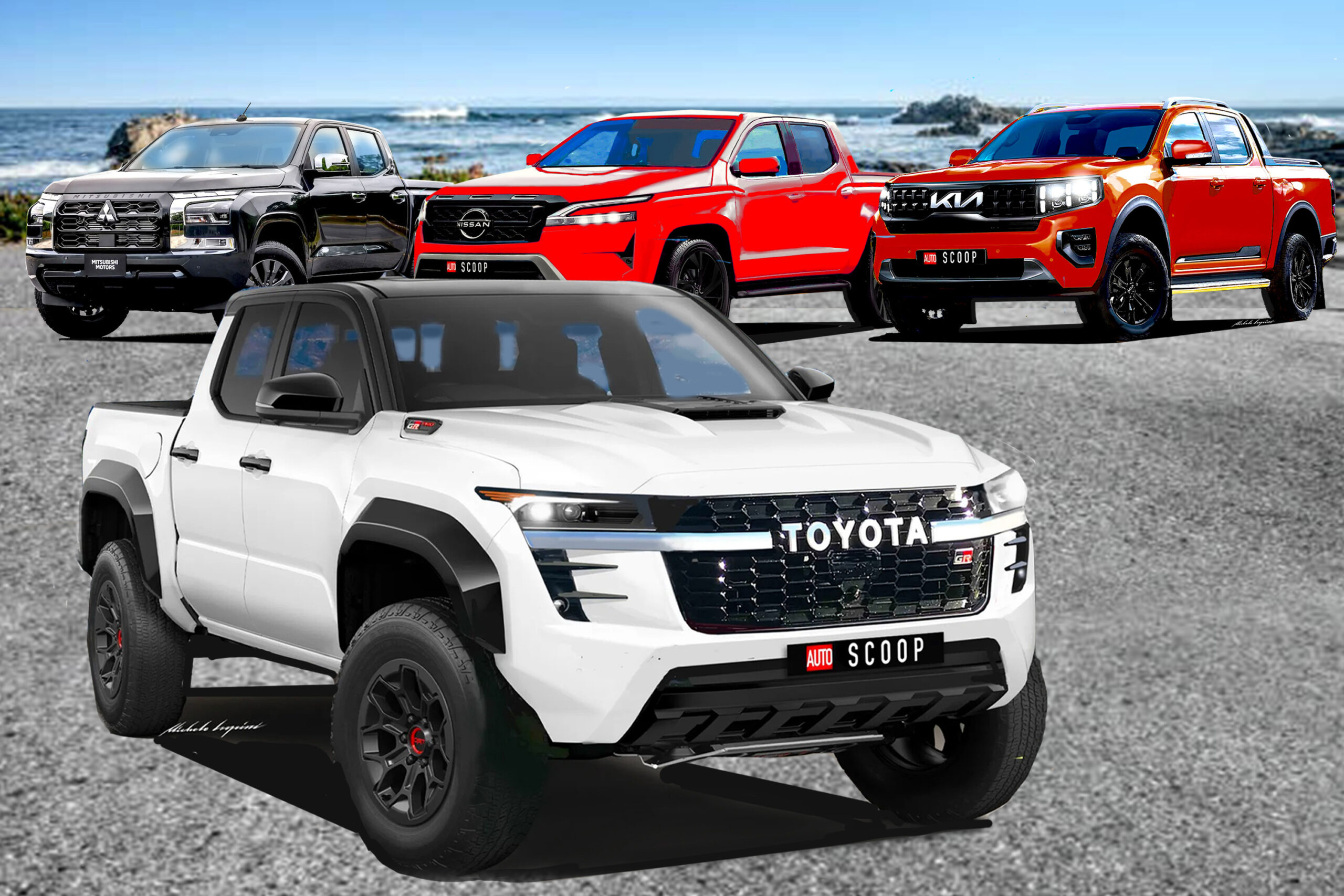
Buying a bakkie outright is a significant financial commitment—one that many South Africans simply can’t make all at once. Whether you need a reliable workhorse for your business or a tough everyday vehicle, the upfront cost can put ownership out of reach. That’s where rent to own bakkies have changed the game, offering a practical, structured path to full ownership without the immediate financial pressure.
This article breaks down how rent-to-own arrangements work, what the numbers look like, and answers the most common questions South African drivers are asking before signing on the dotted line.
Table of Contents
What Does “Rent to Own” Actually Mean?
Rent to own is a financing arrangement where you make regular payments—usually monthly—over an agreed period. At the end of that term, ownership of the vehicle transfers to you. Unlike a traditional lease, you’re not simply renting indefinitely. Every payment builds toward a goal: full ownership.
It sits somewhere between renting and buying, giving drivers access to a vehicle immediately while spreading the cost over time.
Why Bakkies? South Africa’s Most Popular Vehicle Type
Bakkies have long dominated South African roads. According to data from the National Association of Automobile Manufacturers of South Africa (NAAMSA), the bakkie segment consistently accounts for a large share of new vehicle sales in the country, with models like the Toyota Hilux and Ford Ranger regularly topping monthly sales charts.
Their popularity makes sense. Bakkies offer versatility—they work for tradespeople, farmers, families, and small business owners. The demand for flexible financing in this segment is therefore enormous, and rent-to-own providers have stepped in to fill that gap.
How Common Is Rent to Own in South Africa?
The rent-to-own vehicle market has grown steadily as traditional bank financing has become harder to access. South Africa’s credit environment is competitive, and many drivers—particularly those who are self-employed or have imperfect credit histories—struggle to qualify for conventional vehicle loans.
According to the National Credit Regulator (NCR), millions of South Africans remain underserved by traditional credit providers. Rent-to-own models have become an important alternative, particularly in the commercial vehicle and bakkie segments, where buyers often need a vehicle to generate income but lack the financial profile banks require.
About Rent to Own Bakkies
What credit score do I need to qualify?
This is one of the biggest advantages of rent-to-own arrangements. Most providers do not rely solely on your credit score the way banks do. Instead, they assess your ability to make consistent monthly payments. Some providers work specifically with clients who have been blacklisted or have a poor credit history. Requirements vary, so it’s always worth contacting multiple providers to compare eligibility criteria.
How much does it cost per month?
Monthly payments depend on several factors: the make and model of the bakkie, the length of the agreement, and any deposit paid upfront. As a general guide, rent-to-own monthly payments tend to be higher than bank finance installments for the same vehicle—this is the trade-off for the flexibility and accessibility the model offers. Always request a full cost breakdown before signing.
What happens if I miss a payment?
Missing payments can have serious consequences. Depending on the terms of your agreement, the provider may repossess the vehicle. Unlike ownership, you don’t hold the title during the rental period, which means the provider retains the right to reclaim the asset if payment obligations aren’t met. Review the default and repossession clauses carefully before committing.
Is maintenance included?
Some rent-to-own packages include basic maintenance, roadside assistance, or a service plan. Others do not. This varies significantly between providers. A package that includes maintenance may have higher monthly payments but can save money and stress over the duration of the agreement. Always confirm exactly what’s included.
Can I choose any bakkie model?
Most providers offer a range of popular models—typically those with strong resale value and reliable parts availability. The Toyota Hilux, Isuzu D-Max, and Ford Ranger are commonly available. Newer or specialized models may have limited availability. If you have a specific model in mind, confirm with the provider upfront before going through an application process.
How long are rent-to-own agreements?
Agreement lengths typically range from 24 to 60 months. Shorter terms mean higher monthly payments but less total interest paid. Longer terms reduce monthly obligations but increase the overall cost of the vehicle. Choose a term that balances affordability with the total amount you’re comfortable paying.
Do I own the bakkie at the end of the agreement?
Yes—provided all payments have been made in full and on time, ownership transfers to you at the end of the agreement. Some contracts include a final “balloon payment” or nominal transfer fee. Read the ownership transfer clause carefully so there are no surprises at the end of your term.
What are the tax implications for businesses?
For registered businesses, vehicle costs can often be claimed as a deduction. However, the tax treatment of rent-to-own agreements can differ from outright purchase or traditional finance. Consult a tax professional or accountant to understand how payments, depreciation, and ownership transfer will affect your business’s tax position.
The Pros and Cons at a Glance
Advantages:
Accessible to buyers with limited or poor credit history
No large upfront capital required
Structured path to full ownership
Flexibility in model selection and term length
Some packages include maintenance or service plans
Disadvantages:
Higher total cost compared to outright purchase
You don’t hold the title until the agreement is complete
Missed payments risk repossession
Interest and fees can add significantly to the vehicle’s price
Limited options for customization during the rental period
What to Look For in a Rent-to-Own Provider
Not all providers are equal. Before committing to any agreement, consider the following:
Transparency: A reputable provider will give you a full, itemized breakdown of costs—monthly payments, total payable amount, fees, and what happens at the end of the term.
NCR Registration: In South Africa, credit providers must be registered with the National Credit Regulator. Always verify that your provider is compliant before signing anything.
Reputation: Look for reviews, testimonials, and any complaints lodged with the Consumer Goods and Services Ombud or the NCR. A provider’s track record matters, especially when you’re entering a multi-year financial commitment.
Flexibility: Life changes. Find out whether the provider allows payment restructuring if your circumstances shift.
Is Rent to Own the Right Choice for You?
Rent to own makes the most sense for drivers who need a vehicle now but can’t access traditional financing—or prefer not to tie up capital in a single purchase. It’s particularly well-suited to self-employed individuals, small business owners, and anyone whose income doesn’t fit neatly into the criteria banks use to assess risk.
That said, the higher overall cost is a real factor. If you can qualify for bank finance at a competitive interest rate, that route may save you money in the long run. Run the numbers carefully, compare total costs—not just monthly payments—and make sure the agreement you sign is one you fully understand.
For many South African drivers, the flexibility and accessibility of rent-to-own arrangements outweigh the additional cost. Done right, it’s a credible, practical road to owning the bakkie you need.
-

-

-

-

-

-