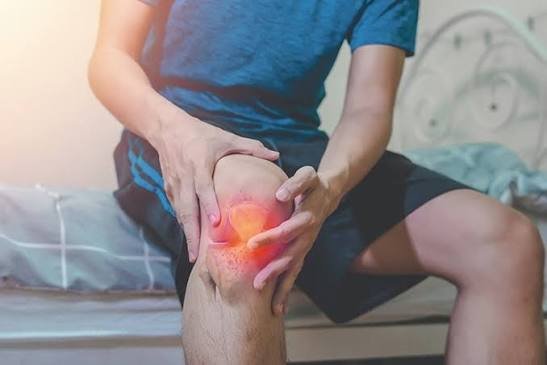
Stiff knees on a cold morning. A sharp, stubborn ache whenever you stand up after sitting at a desk for an hour. Millions of people recognize that frustrating resistance. Joint stiffness sneaks up slowly. It begins as a minor nuisance; maybe a little hesitation while walking down stairs or a crackling sound when bending over. Gradually, it shifts into a daily calculation. You start measuring distances before walking. You hesitate before taking on simple errands. You turn down invitations to casual weekend walks.
Blaming old age feels like the easiest explanation. That is only half the story, though. Joints are mechanical structures. When the internal lubrication dries up, mechanical friction takes over. The old approach was predictable: take a couple of over-the-counter pills, sit on the couch, wait it out. That mindset fails to address the underlying physical problem. Real mobility work requires looking at how joints wear down and finding targeted ways to cushion movement again.
Table of Contents
The Mechanical Reality of Joint Wear
Picture a heavy door hinge. When it is greased, it swings open without a whisper. Remove that grease, let a little grit in, and every movement grinds. That is precisely what happens inside an arthritic knee or hip. Healthy joints rely on slippery cartilage and a thick, viscoelastic fluid called synovial fluid. This fluid acts as a natural shock absorber and a high-performance lubricant during heavy movement.
When osteoarthritis takes hold, a distinct series of physical changes occurs:
- Cartilage thins out and loses its ultra-smooth texture, turning easy glide into rough friction.
- Synovial fluid loses its thickness, failing to absorb hard impacts during routine steps.
- Tissue inflammation settles into the joint capsule, creating persistent swelling that lingers long after activity stops.
Pain is rarely just about thinning cartilage. It stems from increased mechanical pressure inside the joint structure. Bone shifts against bone with minimal protection. Surrounding muscles tighten up to compensate for the instability, which ironically makes the joint feel even tighter. Painkillers might quiet the brain’s alarm signals for a few hours. They do nothing to reduce the physical friction grinding inside the joint capsule.
When friction persists day after day, the body starts building compensatory movement habits. You tilt your hips slightly to favor one side. Your opposite leg takes on extra weight during every step. That subtle shift spreads stress up toward your lower back and down into your ankles. A problem that started in a single knee joint suddenly creates secondary aches across your entire lower body. Treating joint friction early prevents those widespread mechanics from breaking down completely.
Rebuilding the Internal Cushion
Systemic medications travel through your entire body just to address one troublesome knee. That broad path comes with unnecessary trade-offs. Local care targets the exact environment where joint fluid lives.
Synovial fluid depends on a natural compound called hyaluronic acid to maintain its thick, gel-like shock absorption. In an arthritic joint, the concentration of this molecule drops significantly. The fluid turns watery and ineffective. Replacing that lost cushion directly inside the joint space offers a sensible mechanical solution. Injecting high-molecular-weight fluid helps restore the missing physical buffer between bone surfaces.
Restoring fluid density changes the physical environment within the knee. Friction drops. Structural irritation calms down. A single, targeted Durolane treatment helps reestablish that necessary layer between worn surfaces, easing daily movement without systemic side effects.
Less friction means less structural strain during routine walks. That drop in wear can break the cycle of recurring inflammation, giving surrounding tissues a real opportunity to settle down. People notice their stride feels more natural because the joint regains its internal shock absorber.
Local solutions keep the focus strictly where the breakdown exists. Taking high doses of oral medication daily puts stress on the stomach and kidneys over time. Plumping up the joint fluid directly at the source skips those systemic complications entirely.
Many individuals worry that joint injections will feel invasive or uncomfortable. Clinical practice has refined these procedures significantly over recent years. Targeted administration takes only a few minutes during a standard office visit. Patients usually walk out immediately afterward and return to light routine activities without lengthy recovery periods. Restoring that internal liquid shield provides months of continuous cushioning, giving people back the confidence to move without anticipating sudden sharp pains.
Daily Habits That Support Joint Function
Targeted fluid restoration achieves the best results when combined with intelligent daily habits. Rest sounds logical when a joint hurts, but complete inactivity actually starves joint tissues. Cartilage lacks a direct blood supply. It depends on physical motion to pump nutrients in and clear waste products out. Movement literally nourishes the joint structure.
Protecting joint health means picking activities that build surrounding muscle without pounding worn surfaces:
- Swimming and water exercises support body weight while letting joints move through a full range of motion.
- Stationary cycling provides smooth, continuous movement that encourages fluid distribution without heavy impacts.
- Focused leg exercises strengthen the quadriceps and hamstrings, creating a supportive muscular sleeve around the knee.
Strong muscles function like a natural brace. Robust quadriceps absorb shocks that would otherwise pass straight into worn cartilage. Building that supporting structure gives the entire joint extra stability, making daily tasks like climbing stairs much easier.
Dietary habits and daily hydration play silent supporting roles in this process as well. Connective tissues require adequate hydration to maintain their elasticity and natural resilience. Consistent water intake throughout the day supports overall tissue volume. Combining adequate fluid intake with low-impact physical routine helps maintain healthier surrounding ligaments, ensuring that your knees stay as flexible as possible under everyday working loads.
Long-Term Mobility Strategies
Managing osteoarthritis requires ongoing adjustments rather than a single quick fix. Early action gives you the strongest chance of preserving movement without turning to major surgical options down the road.
Combining direct joint lubrication, physical therapy, and low-impact exercise builds a strong defense against progressive stiffness. Exploring localized care early keeps you ahead of severe degeneration. Consultation with a specialist helps identify where your joint health stands and determines which targeted options fit your routine best. Keeping your joints comfortable requires consistent effort, but the payoff is clear: staying active and independent on your own terms.
-
-

-
-
-
-