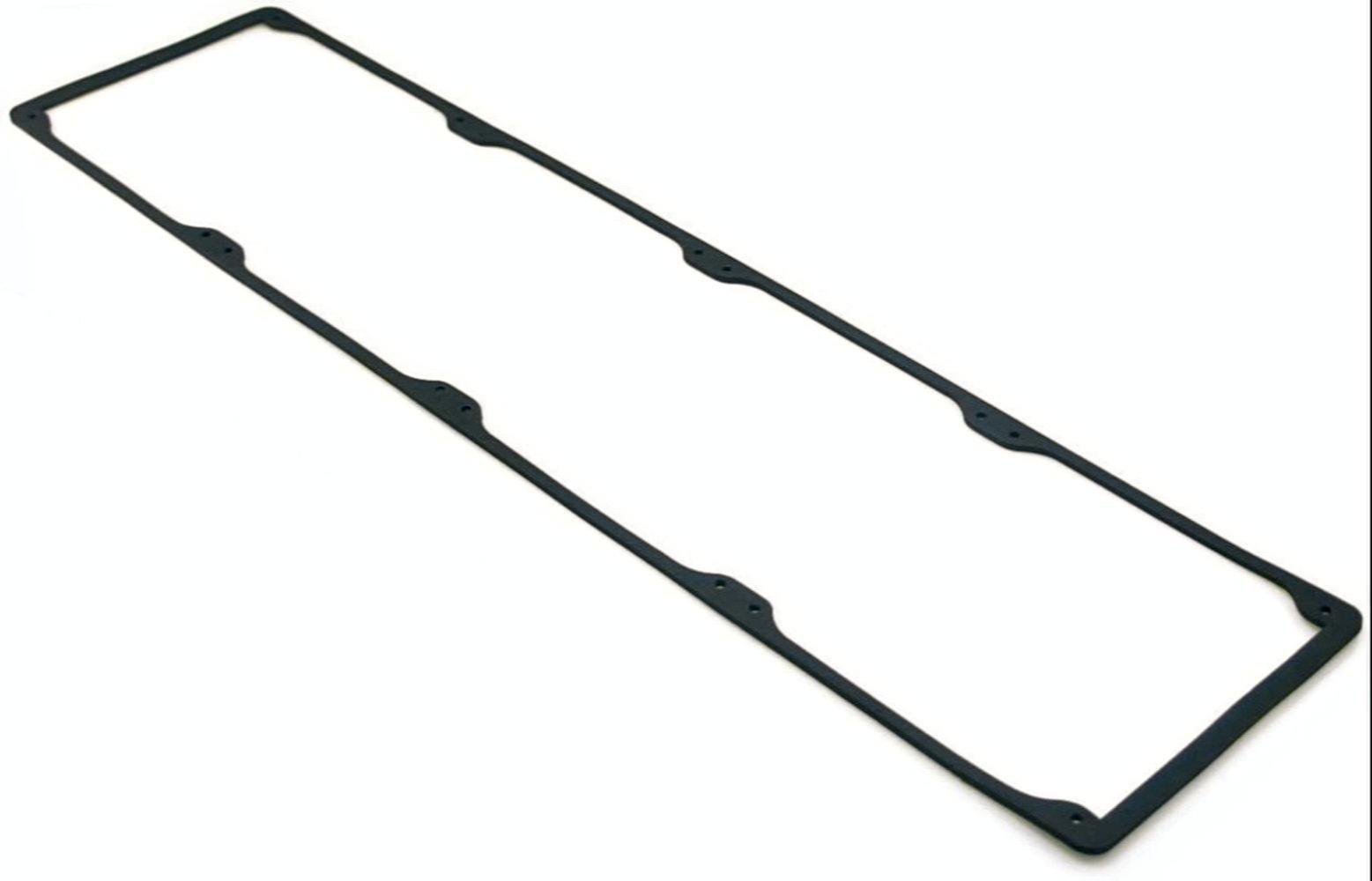
Engine failures rarely happen without warning. In most cases, the damage accumulates quietly over weeks or months, driven by a component that seems minor until it isn’t. The radiator gasket is one of those components. It sits at a critical junction in the cooling system, maintaining the seal that keeps coolant where it belongs and combustion gases where they belong. When it begins to fail, the consequences can escalate quickly — from overheating to warped cylinder heads to complete engine seizure.
The challenge is that early gasket failure doesn’t always announce itself with dramatic symptoms. For vehicle owners, fleet managers, and maintenance professionals who rely on consistent equipment performance, understanding the early indicators of gasket deterioration can be the difference between a straightforward repair and a costly engine rebuild. This article outlines five of the most reliable warning signs that a radiator gasket is losing its integrity, along with the reasoning behind each one.
Table of Contents
Understanding What a Radiator Gasket Actually Does
A radiator gasket creates a pressure-tight seal between the radiator tank and the radiator core, or between the radiator and connected components depending on the system design. Its primary function is to prevent coolant from leaking externally while also ensuring that the coolant flow remains contained within the intended channels. Without an intact seal, the system cannot maintain the pressure it needs to operate efficiently, and coolant distribution becomes erratic.
Gaskets in cooling systems are exposed to constant thermal cycling — expansion and contraction as the engine heats up and cools down. Over time, this repeated stress degrades the gasket material, causing it to compress unevenly, crack, or lose its elasticity. The rate of degradation depends on the quality of the gasket material, the operating temperature range of the vehicle, and whether the coolant has been properly maintained. Contaminated or low-quality coolant accelerates gasket wear significantly, as it introduces acidity and deposits that attack the sealing surface.
Why the Seal Matters Beyond Leaks
Most people associate a failed gasket with visible leaking, but the seal does more than prevent fluid from escaping. It also maintains the pressure differential that allows the cooling system to function at the correct boiling point. Coolant under pressure can absorb more heat before it boils, which is why a pressurized cooling system outperforms an open one. When the gasket fails and pressure drops, the coolant boils at a lower temperature, causing the engine to run hotter than it should even before any visible symptoms appear. This is why gasket failure can cause overheating problems that seem unrelated to a leak.
Sign One: Coolant Loss Without an Obvious External Leak
When coolant levels drop repeatedly but there is no visible puddle under the vehicle, no wet hose, and no obvious external source, the gasket is a reasonable suspect. A failing radiator gasket can cause slow seepage that evaporates on contact with hot engine surfaces, leaving no trace on the ground but consistently reducing the fluid in the reservoir. This pattern — unexplained coolant loss over days or weeks — is often dismissed or attributed to normal consumption. It is not normal.
Tracing the Source of Invisible Loss
Detecting a seeping gasket requires pressure testing the cooling system while the engine is cold. A cooling system pressure tester, which can be rented from most automotive tool suppliers, pressurizes the system and reveals drops in pressure that indicate a slow leak. If the system loses pressure without any visible drip, the gasket may be allowing micro-seepage that only occurs under operating temperature and pressure. Infrared thermometers can also reveal uneven temperature distribution around the radiator, which sometimes points to the location of a failing seal before any visible evidence appears.
Sign Two: Engine Temperature Running Higher Than Normal
A consistent upward drift in engine operating temperature — particularly when it occurs without a corresponding drop in coolant level — often indicates that the cooling system is losing efficiency rather than losing fluid. A degraded gasket that no longer maintains proper system pressure is one of the primary causes of this pattern. The engine temperature gauge may not enter the red zone immediately, but a steady reading that sits higher than typical operating range is a sign worth investigating.
How Pressure Loss Translates to Heat Buildup
As described by the basic principles of thermodynamics, a fluid under higher pressure has a higher boiling point. According to the U.S. Department of Energy’s vehicle cooling system guidance, maintaining proper system pressure is fundamental to efficient heat transfer. When a gasket fails to maintain that pressure, the coolant’s capacity to absorb and transfer heat is reduced. The engine compensates by running hotter, which places additional stress on every other component in the system — including the very gasket that started the problem. Left unaddressed, the thermal stress compounds into warped metal surfaces and damaged head gaskets.
Sign Three: Visible Coolant Staining or Residue Around the Radiator
Dried coolant leaves a characteristic residue — often white, orange, or greenish depending on the coolant formulation — that accumulates at the point of a slow leak. When this residue appears around the seam between the radiator tank and the core, it is a direct indicator of gasket failure. The staining may be faint initially, particularly if the leak is slow, but it will grow more visible over time as coolant deposits build up on the exterior surface of the radiator.
Reading the Pattern of Residue
The location of the staining provides diagnostic information. Residue concentrated at the top or bottom seam of the radiator typically points to the tank gasket. Staining that appears more diffusely across the core may suggest a different type of failure, but a compromised gasket is still among the likely causes. It is important not to clean the residue and wait to observe whether it reappears. Reappearing residue under the same operating conditions confirms an active leak rather than a historical one that may have already been addressed.
Sign Four: Air Bubbles in the Coolant Reservoir
Bubbling in the coolant reservoir — particularly when the engine is running or immediately after it is shut off — can indicate that combustion gases are entering the cooling system. While this symptom is more commonly associated with a head gasket failure, it can also occur when a failing radiator gasket allows air to enter the system. Air in the coolant reduces its ability to transfer heat and creates pockets of gas that disrupt fluid flow through the radiator. This leads to uneven cooling and localized hot spots that stress the engine unevenly.
Distinguishing Air Intrusion from Normal Expansion
Some degree of fluid movement in the reservoir is normal as the system heats up and the coolant expands. What is not normal is persistent bubbling, foam, or a milky appearance in the coolant that persists after the engine reaches operating temperature. Foam suggests air is being introduced into the fluid under pressure. A combustion gas test kit, available through most automotive supply channels, can detect the presence of exhaust gases in the coolant and help isolate whether the air intrusion is coming from the radiator gasket or from a deeper internal failure.
Sign Five: Frequent Overheating Under Load or at Low Speed
An engine that overheats primarily under heavy load — towing, climbing grades, idling in traffic — but performs acceptably under light conditions may be suffering from a gasket that is partially compromised. Under normal driving, the cooling system may manage the heat adequately despite the gasket’s degraded state. But when demand increases, the reduced sealing efficiency becomes a critical limitation. The system simply cannot keep up, and the temperature climbs past safe operating range.
Why Load Conditions Expose Latent Failures
Heavy load increases both the heat output of the engine and the demand placed on the cooling system to remove that heat. A gasket that is partially cracked or unevenly compressed can hold under moderate conditions while failing under sustained high-heat operation. This pattern is particularly relevant for commercial vehicles, work trucks, and any equipment that regularly operates under load. Intermittent overheating is frequently misdiagnosed or attributed to the thermostat, the water pump, or the radiator cap before the gasket is inspected. In many cases, replacing those components without addressing the gasket provides only temporary relief.
Closing Thoughts: Acting Before the Damage Compounds
A failing radiator gasket rarely causes catastrophic damage on its own. The real risk is the chain of failures it triggers — overheating that warps metal surfaces, pressure loss that accelerates wear on other seals, and coolant contamination that damages the water pump and thermostat. The five signs outlined here are not worst-case scenarios. They are observable, early-stage indicators that the gasket is no longer performing as intended.
For anyone responsible for maintaining vehicles or equipment — whether a single work truck or an entire fleet — recognizing these symptoms early and responding with a proper inspection is the most cost-effective course of action available. The cost of a gasket replacement is a fraction of what a seized engine or warped cylinder head will demand in parts, labor, and downtime. The value is not in the repair itself, but in catching the problem before it becomes something far more expensive.
A cooling system that is regularly inspected and maintained will almost always provide advance warning before a gasket failure reaches a critical stage. The warning signs are there. The discipline is in taking them seriously before the consequences make the decision for you.
-

-

-

-

-
-