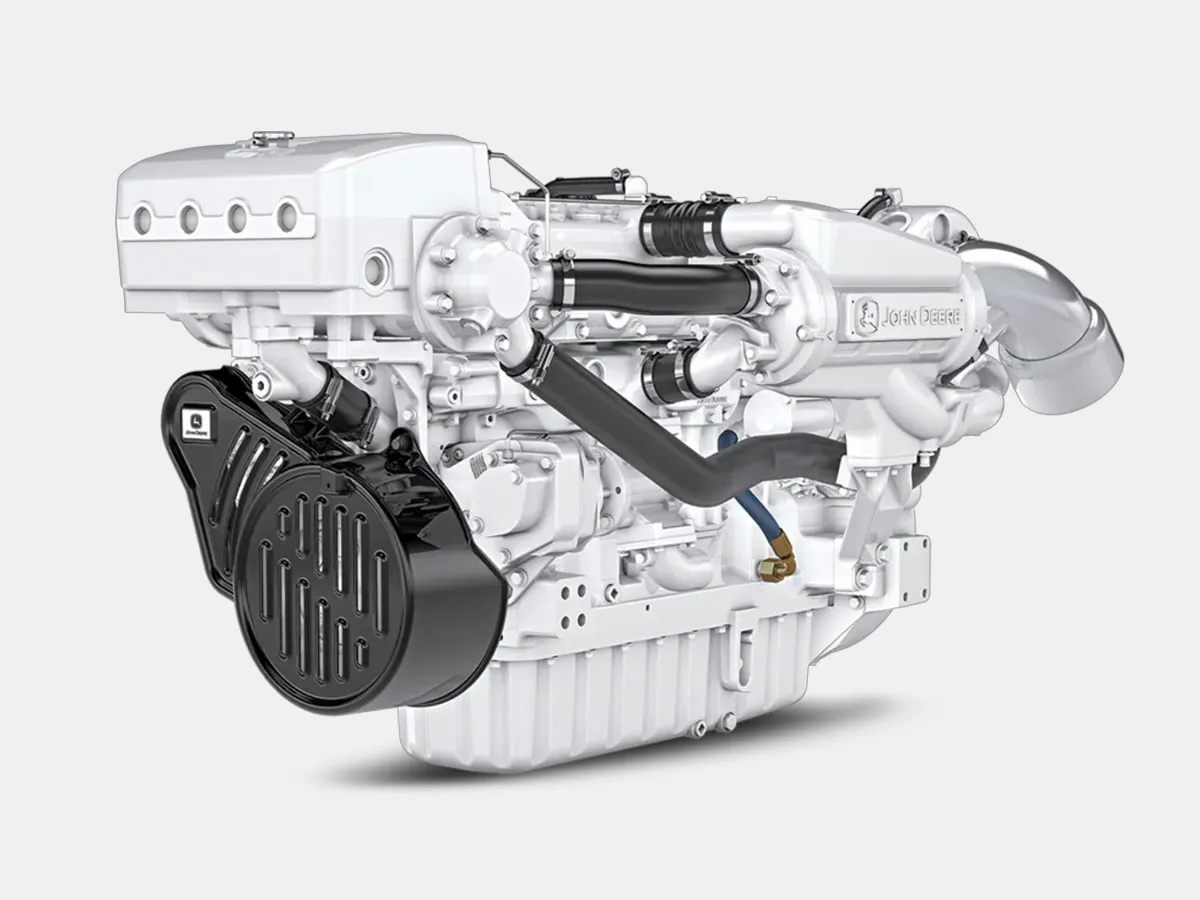
Offshore and marine operations have always had a complicated relationship with power. Everything runs off what you generate on board or on site. There’s no grid to fall back on, and the consequences of a power failure in a marine environment are more serious than almost any other operational context. The road roller working on a coastal infrastructure project or just the lighting keeping a night shift running safely, all of it draws from the same generation source. Marine generators have had to evolve to meet that reality, and the standards they’re held to now are considerably higher than they were a decade ago.
Table of Contents
Offshore power demands consistency above everything.
On land, a brief power interruption is an inconvenience. Offshore or in a marine setting, it’s a whole safety event. You’re working with loads that can’t tolerate the kind of voltage fluctuation or brief dropout that land-based operations might absorb.
A modern marine generator is built around that intolerance. The control systems governing load acceptance and voltage regulation have tightened significantly, with current generation units maintaining output stability across load changes that would have caused older systems to hunt or even drop. For vessels and offshore platforms running sensitive navigation and positioning equipment, stability is a safety requirement, and the engineering behind it reflects that.
Fuel efficiency has improved alongside stability. Marine operations burn through fuel at a rate that makes consumption a high operational cost, and generators running at fixed output regardless of actual load demand were wasting a meaningful portion of that fuel across every shift. Variable-speed, load-responsive fuel management on modern marine generators has changed that, with fuel delivery adjusting to match what the connected systems are actually drawing at any given time.
The load profile on a marine site is unlike anything onshore.
A working vessel or offshore platform runs a load profile that changes continuously and unpredictably. A crane picking a heavy load, an anchor windlass running simultaneously, HVAC systems cycling on and off across the accommodation block, or galley equipment running at meal times. Aggregate demand shifts constantly, and the generator managing it needs to absorb those changes without the output instability that older units experienced when demand spiked suddenly.
Imagine you’re overseeing power management on a supply vessel during an offshore loading operation. The crane is at full load, and the dynamic positioning system is working hard against a current. Both systems are drawing simultaneously, and the generator is at its max rated capacity. An older unit in that situation would show a voltage drop, and before you know it, the DP system would be sounding alarms.
A modern marine generator with proper load management handles the same demand without instability because the control system anticipates load changes and prepares the engine’s response before anything goes wrong.
This anticipatory load management has changed how power systems on offshore platforms are designed. Instead of oversizing generation capacity to build a buffer against demand spikes, operators can run closer to actual load requirements because the system can handle variation.
Redundancy has been redesigned.
Redundancy in marine power systems used to mean a backup generator sitting ready to take over if the primary failed. That approach worked, but it was inefficient. The backup unit was often idle, adding weight and space requirements without contributing to normal operations.
Modern marine power configurations are moving towards parallel generator sets that share the load during normal operations and provide redundancy by design rather than as a separate system. That’s two or three units running at moderate load rather than one unit at full load with a cold standby. The efficiency gain is huge, and the redundancy is built into the normal operating configuration rather than sitting separately alongside it.
The switchgear and control systems managing these parallel configurations have improved, too. You’ve got automatic load sharing and continuous remote monitoring that track the health of every unit.
For offshore operations where manual intervention is limited by both crew capacity and physical access to machinery spaces, that level of automated management has changed operations.
Material handling and the power it draws.
Material-handling equipment operating on marine and offshore sites imposes specific demands on the generation system that shore-based operations often don’t account for when specifying power for the first time.
Cranes, conveyors, winches, and hydraulic handling systems all produce significant inrush current when they start under load, and on a marine generation system where the total capacity is finite and shared across multiple critical systems, those startup spikes need to be managed carefully.
Modern marine generators handle inrush loads better than previous generations through improved automatic voltage regulation and faster response. The time between a large load connecting and the generator stabilising its output has shortened considerably, which reduces the impact of startup events on the other systems sharing the same generation source.
For offshore platforms running material handling equipment alongside sensitive systems, faster stabilisation makes all the difference.
And it’s not just for offshore anymore. A new power standard has been built. And the reliability that marine generators now deliver as standard is a quality that even land-based operations with significant material handling equipment are starting to demand from their own equipment.
-
-
-

-

-
-