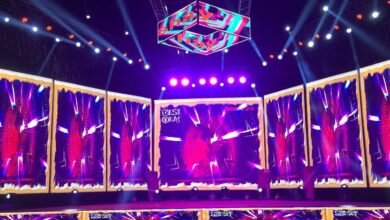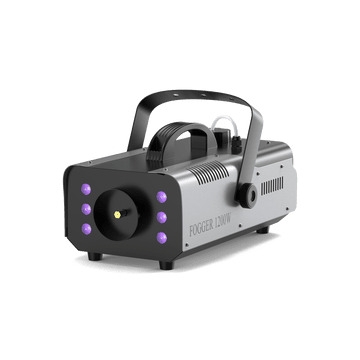
Imagine walking into a dimly lit venue where soft tendrils of fog curl around the dance floor, catching beams of colored light and transforming an ordinary space into something truly magical. Atmospheric smoke and fog effects have become essential tools for creating memorable event experiences, from intimate Halloween gatherings to elaborate wedding receptions. But behind every stunning fog-filled moment lies a practical decision that event planners grapple with regularly: should you build a homemade smoke machine to save money, or invest in commercial equipment designed for professional results?
This question isn’t as straightforward as it might seem. A DIY fog machine can cost next to nothing, but the trade-offs in reliability, safety, and performance may ultimately undermine your event’s atmosphere. In this article, we’ll explore whether a homemade smoke machine truly meets the demands of event planning by examining efficiency, ease of use, output control, and safety considerations—helping you make a confident, informed choice for your next occasion.
Table of Contents
What Are Homemade Smoke Machines? Understanding DIY Fog Effects
Homemade smoke machines are improvised devices that generate fog or smoke effects using readily available household materials and simple construction methods. At their core, these DIY creations rely on two fundamental components: a heat source to vaporize liquid and a fluid medium that produces visible vapor when heated. The most common approaches involve heating a mixture of glycerin and water over a hot plate or electric element, directing the resulting vapor through a container and out a nozzle. Another popular method uses dry ice submerged in warm water, which creates dense, low-lying fog that hugs the ground dramatically.
Some builders get creative with repurposed items—empty cans, soldering irons, or even e-cigarette components—to construct compact fog generators for specific effects. While these solutions can produce visible atmospheric results, they differ significantly from commercial smoke machines engineered for event use. Professional units feature precision heating elements, purpose-formulated fog fluids, and integrated fans for consistent dispersion. They’re also designed to work seamlessly alongside other event equipment like bubble machines, intelligent lighting rigs, and sound systems. Homemade versions, by contrast, operate as standalone experiments with variable results depending on construction quality and environmental conditions.
Homemade vs. Commercial Smoke Machines: A Detailed Comparison
When event planners weigh their options for creating atmospheric fog effects, the comparison between homemade and commercial smoke machines reveals stark differences that directly impact event success. Understanding these distinctions helps you allocate your budget wisely while ensuring your guests experience the ambiance you envision.
Advantages of Homemade Smoke Machines: Cost and Customization
The most compelling argument for building your own smoke machine is cost—most DIY versions can be assembled for under twenty dollars using materials you likely already own. For hobbyists and experimenters, there’s genuine satisfaction in crafting a device tailored to a specific effect, whether that’s a brief burst of fog for a theatrical entrance or a slow creep of ground-hugging mist for a haunted house corridor. Small-scale events with forgiving audiences, like backyard Halloween parties or casual gatherings, provide ideal testing grounds where imperfect results still add charm rather than disappointment.
Disadvantages: Reliability, Safety, and Output Control
Homemade smoke machines introduce unpredictability that professional events simply cannot afford. Inconsistent heating leads to sputtering output or sudden bursts rather than smooth, continuous fog. Safety concerns are significant—improvised electrical connections risk short circuits, overheated glycerin can produce acrolein (a toxic irritant), and dry ice handling without proper gloves causes burns. Perhaps most critically, DIY devices offer virtually no adjustable output control, meaning you cannot fine-tune fog density to match changing moments during your event.
Ease of Use and Efficiency for Event Atmospheres
Commercial smoke machines arrive ready to operate within minutes: plug in, fill the reservoir with formulated fog fluid, and use a remote or DMX controller to trigger effects precisely when needed. Homemade alternatives demand constant monitoring, manual adjustments, and troubleshooting mid-event. For planners coordinating multiple elements—lighting, sound, bubble machines, and timing cues—the operational efficiency of purpose-built event equipment frees attention for the countless other details that make an event run smoothly.
Event Planners’ Needs: Efficient Equipment for Atmospheric Effects
Event planners operate under pressure that leaves little room for equipment failure. Whether orchestrating a corporate gala, a wedding reception, or a themed festival stage, the professionals responsible for atmosphere need tools that deliver predictable results on demand. Fog effects serve as foundational elements that amplify lighting design, create depth perception on stage, and establish emotional tone throughout a venue. When these effects falter or behave erratically, the entire sensory experience suffers—and guests notice the difference between polished production and amateur improvisation.
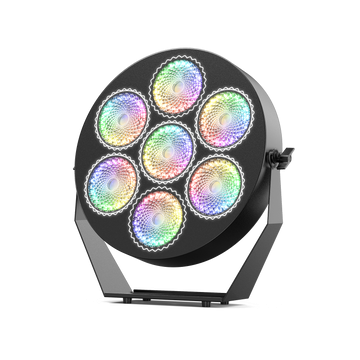
Beyond fog machines alone, modern event setups integrate multiple atmospheric devices into cohesive systems. Bubble machines add whimsy to outdoor celebrations, intelligent lighting cuts through haze to create volumetric beams, and sound systems synchronize with visual cues for maximum impact. Each piece of event equipment must communicate reliably with the others, often through DMX protocols or wireless controllers that coordinate timing down to the second. A homemade smoke machine, no matter how cleverly constructed, cannot plug into this ecosystem without significant adaptation—and even then, its unpredictable behavior introduces risk into an otherwise choreographed production.
Key Requirements for Smoke and Fog Machines at Events
Professional event environments demand equipment that meets several non-negotiable criteria. Durability ranks highest—machines must perform flawlessly across multi-hour events without overheating, clogging, or requiring mid-show repairs. Consistent output ensures that fog density remains stable throughout key moments like first dances, keynote entrances, or theatrical reveals, rather than fluctuating randomly. Integration capability allows fog machines to work alongside lighting rigs and bubble machines through standardized control interfaces, enabling a single technician to manage the entire atmospheric layer from one console. Finally, venue compliance matters enormously; commercial machines use fluids tested for fire alarm compatibility and indoor air quality standards, preventing embarrassing evacuations or health complaints that could derail an event entirely.
Evaluating Adjustable Outputs and User-Friendly Features
The ability to control fog density, burst duration, and dispersion pattern transforms a smoke machine from a simple effect into a versatile creative instrument. Adjustable output settings let planners dial back fog during dinner service to maintain visibility, then ramp up dramatically for a dance floor reveal—all without approaching the machine physically. Timer intervals prevent continuous over-fogging that obscures sightlines or triggers ventilation systems. Remote controls and DMX compatibility mean operators can trigger effects from front-of-house positions where they can actually see the results in real time, making instant corrections possible. Brands like UKING offer lighting and fog equipment with these integrated control features, making them popular choices among event planners who need reliable atmospheric tools. These user-friendly features represent the gap that homemade devices simply cannot bridge, since DIY builds typically offer only binary operation: on or off, with no graduated control between empty air and overwhelming clouds.
Solution Steps: Deciding If a Homemade Smoke Machine Is Right for You
Making the right equipment choice requires honest assessment of your event’s specific demands rather than defaulting to the cheapest or most convenient option. The decision between homemade and commercial smoke machines ultimately depends on how much risk you’re willing to accept and how central fog effects are to your overall vision. By working through a structured evaluation process, you can confidently determine which approach serves your event best—and avoid costly mistakes that compromise your guests’ experience.
Step-by-Step Evaluation Checklist for Your Event
Start by defining your event’s scale and audience expectations. A gathering of thirty friends in your backyard tolerates experimentation; a corporate event for three hundred does not. Next, establish your budget honestly—factor in not just construction costs but the time spent building, testing, and troubleshooting a homemade device versus renting proven equipment. Assess your safety environment by asking whether your venue has sensitive fire suppression systems, whether children or elderly guests will be present, and whether you have adequate ventilation. Determine the consistency you need: will fog effects run continuously for hours, or do you need precise bursts synchronized with music or lighting cues? Finally, consider integration requirements—if your event uses DMX-controlled lighting or coordinates multiple atmospheric elements like bubble machines alongside fog, a homemade device lacking standardized control interfaces becomes a liability rather than an asset.
Recommendations and Alternatives for Optimal Results
For casual, small-scale events where atmosphere is a bonus rather than a centerpiece, a carefully constructed homemade smoke machine using glycerin and distilled water can add enjoyable ambiance at minimal cost. Keep sessions brief, ensure ventilation, and always test your device outdoors before bringing it inside. For anything beyond informal gatherings—weddings, corporate functions, theatrical productions, or festivals—renting or purchasing commercial smoke machines delivers the reliability, safety certification, and output control that professional results demand. Many rental companies offer packages that include fog machines alongside complementary event equipment, giving you access to high-quality atmospheric effects without long-term investment. If you do choose the DIY route, never use improvised electrical connections near water, always wear insulated gloves when handling dry ice, and position your device away from guests and flammable materials.
Matching Your Smoke Machine Choice to Your Event’s Needs
Homemade smoke machines occupy a specific niche in the world of event planning—they’re affordable, accessible, and satisfying to build, but they come with inherent limitations that matter when your event’s success depends on consistent atmospheric effects. The core trade-off remains clear: what you save in dollars, you often sacrifice in reliability, safety assurance, and the precise output control that transforms fog from a novelty into a professional production element. For casual gatherings where imperfection adds character, a DIY approach can work beautifully with proper precautions. For events where guests expect polished experiences and where fog must integrate seamlessly with lighting, bubble machines, and coordinated timing cues, commercial equipment remains the dependable choice.
The smartest decision comes from matching your tools to your actual needs rather than aspirations. Assess your event honestly—its scale, audience, safety requirements, and how central fog effects are to the overall experience. Whether you choose to build, rent, or buy, that clarity ensures your atmospheric effects enhance the moment rather than becoming a source of stress when the lights go down and your guests are watching.
-
-
-

-
-
-