
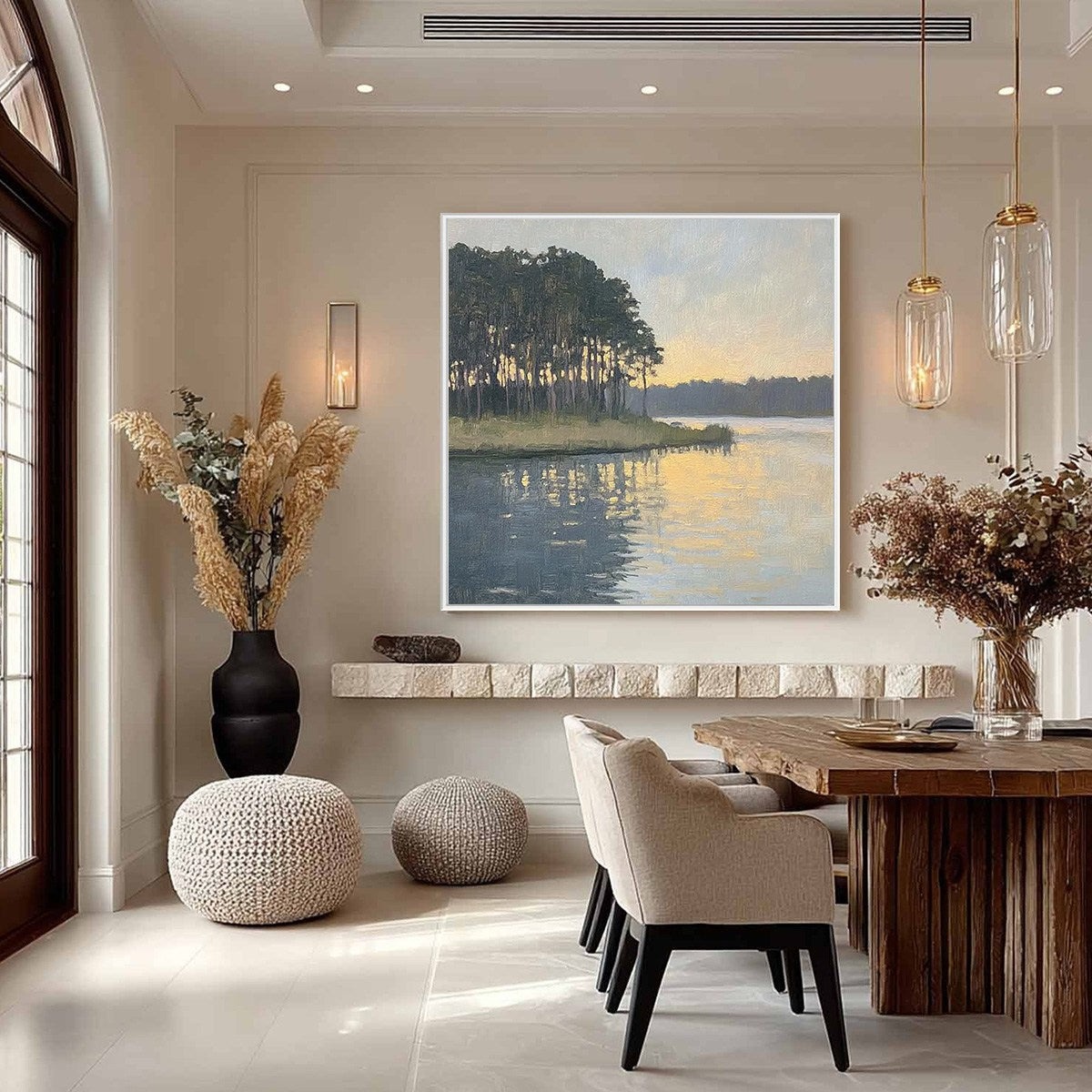
Biophilic design has moved from a niche concept to a dominant force shaping how we think about interiors. Clients increasingly crave spaces that feel connected to the natural world, and nature artwork offers one of the most accessible ways to fulfill that desire. From sprawling landscape canvases in corporate lobbies to intimate botanical prints in residential bedrooms, the demand for organic imagery continues to surge across every sector of design.
Yet interior designers often face real challenges when sourcing and installing nature artwork for their projects. Finding pieces that align with a client’s aesthetic vision, ensuring proper scale for a given wall, and managing efficient installation timelines can turn what should be an inspiring creative decision into a logistical headache. The wrong piece or a poorly executed hanging can undermine an entire room’s composition.
This article provides actionable strategies for integrating nature artwork into your design projects with confidence. You’ll discover why nature imagery resonates so deeply with occupants, explore practical installation solutions that save time on-site, and find innovative ideas for making nature art the defining element of any space you design.
Table of Contents
Why Nature Artwork is Essential for Modern Interior Design
Nature artwork has become far more than a decorative afterthought—it functions as a strategic design tool that addresses both the emotional needs of occupants and the aesthetic demands of contemporary spaces. As biophilic design principles gain traction across residential and commercial sectors, designers who understand the deeper value of nature imagery position themselves to deliver spaces that truly perform for their clients. The versatility of nature artwork makes it equally at home in a minimalist Scandinavian apartment, a rustic farmhouse kitchen, or a sleek corporate conference room, adapting through subject matter, color palette, and presentation style to serve virtually any design direction.
Psychological and Emotional Benefits
Research from institutions like the University of Exeter and studies published in the Journal of Environmental Psychology consistently demonstrate that exposure to nature imagery reduces cortisol levels, lowers heart rate, and promotes cognitive restoration. A 2020 study found that workers in offices displaying landscape artwork reported 15 percent higher productivity and significantly lower anxiety compared to those in spaces with abstract or no artwork. These findings matter enormously for interior designers because they translate directly into measurable client satisfaction. When a hospitality client notices improved guest reviews mentioning the calming atmosphere, or when a corporate client sees reduced employee turnover in a redesigned office, the designer’s reputation grows. Nature artwork gives you an evidence-based argument for your creative choices—something tangible to present during client consultations beyond personal taste.
Enhancing Aesthetic Appeal and Harmony
Nature artwork inherently carries color palettes drawn from the world around us—earth tones, sky blues, forest greens, and sunset warmths—making it remarkably easy to integrate with existing material selections. A photograph of coastal dunes can pull together a room featuring sandy linen upholstery, whitewashed wood, and brass hardware without competing for attention. In practice, successful designers use nature pieces as bridges between disparate elements in a space. One notable approach involves selecting artwork that contains two or three accent colors already present in the room’s textiles or finishes, creating visual cohesion that feels intuitive rather than forced. A design firm working on a boutique hotel in Portland, for example, anchored each guest room’s palette around a single botanical print, selecting bedding, curtains, and even bathroom tile to echo the artwork’s tonal range. The result was a series of rooms that felt intentional and immersive, with the nature piece serving as the unifying thread that tied every surface together.

Practical Solutions for Easy Art Installation
For interior designers managing multiple projects simultaneously, the installation phase of artwork can become a significant bottleneck. A piece that arrives unframed, requires custom stretching, or demands specialized mounting hardware can add days to a project timeline and frustrate clients eager to see their space completed. The good news is that the art industry has responded to these pain points with solutions specifically designed for professional efficiency. Understanding your options for ready-to-hang formats, mastering a reliable installation workflow, and keeping the right tools on hand will transform artwork placement from a source of anxiety into one of the smoothest steps in your design process.
Exploring Pre-Stretched Art for Hassle-Free Hanging
Pre-stretched art arrives with the canvas already mounted taut over wooden stretcher bars, eliminating the need for separate framing or gallery-wrap finishing on-site. This format offers several distinct advantages for working designers: it reduces lead time since there’s no waiting on a framer, it arrives ready to hang with minimal preparation, and it presents a clean gallery-style edge that works in contemporary and transitional spaces without additional framing costs. When selecting pre-stretched pieces for client projects, prioritize canvases built on kiln-dried stretcher bars at least 1.5 inches deep, as thinner bars tend to warp over time in climate-controlled interiors. Examine corner construction—mitered or braced joints indicate professional-grade quality that will maintain tension for years. The canvas material itself matters too; look for archival-grade cotton or poly-cotton blends with UV-resistant inks, particularly for pieces destined for sun-exposed walls. Finally, confirm that hanging hardware is already attached or that the back includes a sturdy wire or French cleat system, so your installer isn’t improvising solutions on delivery day.
Step-by-Step Guide to Installing Art Pieces Securely
A consistent installation process saves time and prevents costly mistakes like misaligned groupings or damaged walls. Start by measuring the wall and marking the desired center point of the artwork—standard practice places the center at 57 to 60 inches from the floor, roughly average eye level, though this shifts upward in spaces where occupants primarily stand. Next, measure from the top of the frame or canvas down to the hanging wire or bracket when pulled taut, as this offset determines where your wall hook actually needs to sit. Mark that precise point on the wall with painter’s tape rather than pencil to avoid marks that need touching up later. Before driving any hardware, hold the piece against the wall and step back to confirm placement within the room’s overall composition—check its relationship to furniture below, lighting above, and adjacent architectural features. Once satisfied, install your chosen hanging hardware and place the artwork, using a level to confirm alignment before stepping away. For gallery walls with multiple nature pieces, lay the entire arrangement on the floor first, photograph it, then transfer measurements to the wall using a paper template method where you cut kraft paper to each frame’s dimensions and tape them in position before committing to hardware.
Tools and Techniques for Professional Art Installation
A laser level is arguably the single most valuable tool for any designer who regularly hangs artwork—it projects a perfectly horizontal line across the wall, allowing you to align multiple pieces in a row without tedious individual measurements. Pair it with a quality stud finder that detects both wood studs and metal fasteners behind drywall, since anchoring large nature canvases directly into studs provides the most secure hold. For walls where studs don’t align with your desired placement, toggle bolt anchors rated for at least 50 pounds offer reliable support for medium and large pieces. When handling oversized nature artwork—anything beyond 40 inches in either dimension—always work with a second person and use padded moving blankets on the floor below the installation zone to protect both the piece and the flooring from accidental drops. For heavy or awkwardly shaped installations, French cleat systems distribute weight evenly and allow precise lateral adjustment after the wall-mounted rail is secured. One technique that professionals rely on for delicate canvases is wearing clean cotton gloves during handling to prevent oil transfer, and using felt bumpers on the lower back corners of frames to protect the wall surface and allow slight air circulation that prevents moisture buildup behind the piece.
Innovative Design Ideas with Nature Art Installations
Once you’ve mastered the technical side of sourcing and installing nature artwork, the creative possibilities become genuinely exciting. The best interior designers treat nature art not as a finishing touch but as a generative force that shapes spatial narratives, directs movement through rooms, and creates emotional anchors that occupants return to again and again. Whether you’re working with a client who gravitates toward photographic realism or one who prefers impressionistic interpretations of the natural world, the strategies below will help you push beyond conventional hanging-a-canvas-on-a-wall thinking and deliver art installations that elevate your projects from competent to memorable.
Incorporating Landscape Art in Various Room Settings
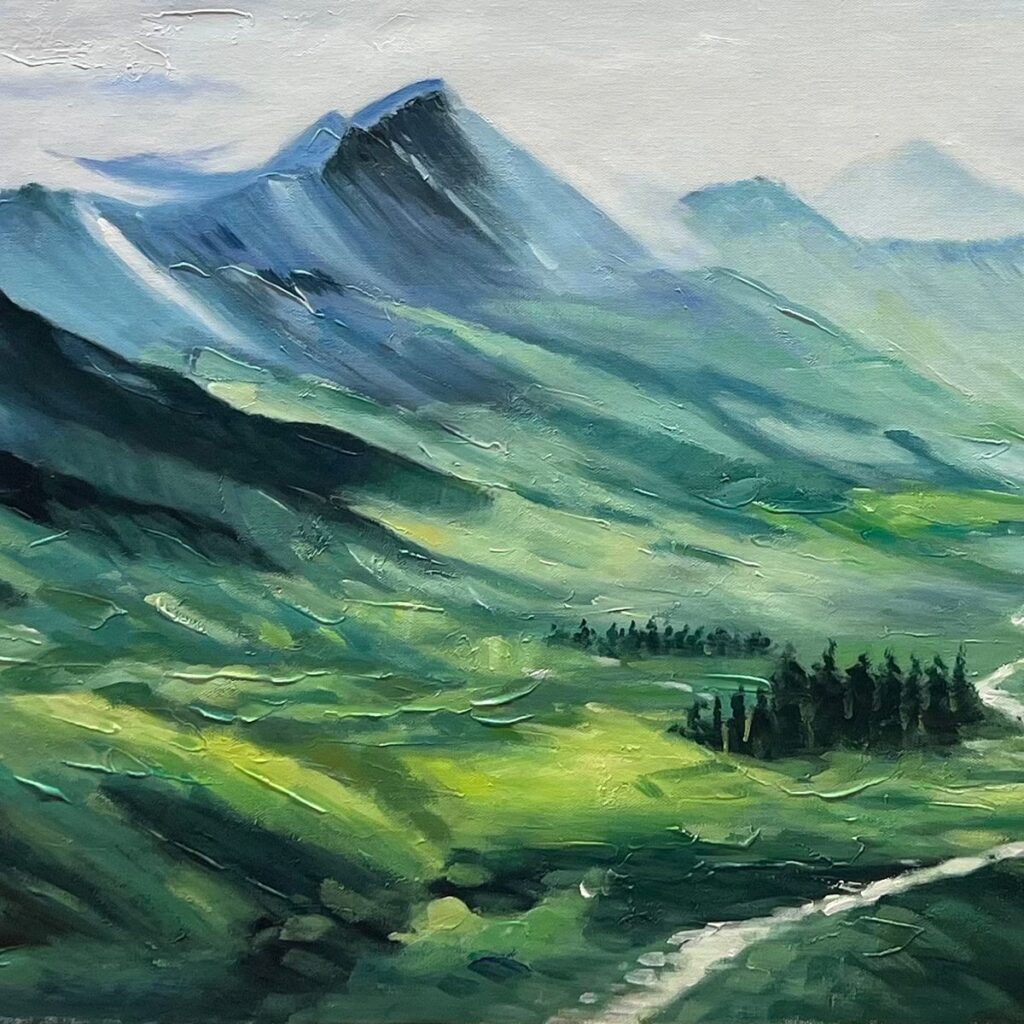
Each room in a home or commercial space carries its own functional rhythm, and the nature artwork you select should respond to that rhythm rather than fight against it. In living rooms, where conversation and relaxation coexist, a horizontal landscape positioned above the sofa at seated eye level draws the gaze outward and creates a sense of expanded space—think wide prairie scenes or calm lake panoramas that encourage the eye to travel slowly across the composition. For home offices and corporate workspaces, consider vertical nature compositions like towering forest canopies or cascading waterfalls, which subtly encourage upward posture and energized focus without overwhelming the peripheral vision during screen work. Bedrooms benefit from softer, more intimate nature imagery—close-up botanicals, misty morning meadows, or gentle ocean horizons in muted tones that support the transition toward rest. Scale matters enormously across these contexts. A piece that fills roughly two-thirds the width of the furniture below it tends to feel proportionally grounded, while anything smaller risks looking like an afterthought floating on the wall. In narrow hallways or transitional spaces, a series of smaller nature studies arranged in a tight vertical column draws the eye forward and creates a sense of journey, turning otherwise forgettable pass-through areas into curated moments of discovery.
Creating Focal Points with Large-Scale Nature Artwork
A single oversized nature piece can accomplish what an entire collection of smaller works cannot—it commands immediate attention, establishes the emotional temperature of a room, and gives every other design element a clear reference point to orbit around. When deploying large-scale nature art as a focal point, start by identifying the room’s primary sight line, the view occupants encounter first upon entering. Position your statement piece along that axis so it functions as a visual destination. Sourcing original paintings from studios like MontCarta can provide the kind of unique, hand-crafted presence that reproductions simply cannot replicate at this scale—the texture and depth of brushwork become part of the spatial experience itself. Color coordination between the artwork and the surrounding environment should feel deliberate but not matchy; pull one secondary tone from the piece into a throw pillow, a rug border, or a vase, leaving the dominant colors in the artwork to stand on their own as contrast. Lighting transforms large nature pieces from flat images into immersive experiences. A pair of adjustable picture lights mounted above the canvas washes warm illumination downward, enhancing depth in landscape photography and bringing texture forward in painted pieces. For even more drama, recessed ceiling spots angled at thirty degrees create focused pools of light that mimic how natural sunlight falls across a scene, adding dimensionality that changes subtly throughout the day as ambient light shifts around the artificial source.
Mixing and Matching Art Styles for Dynamic Interiors
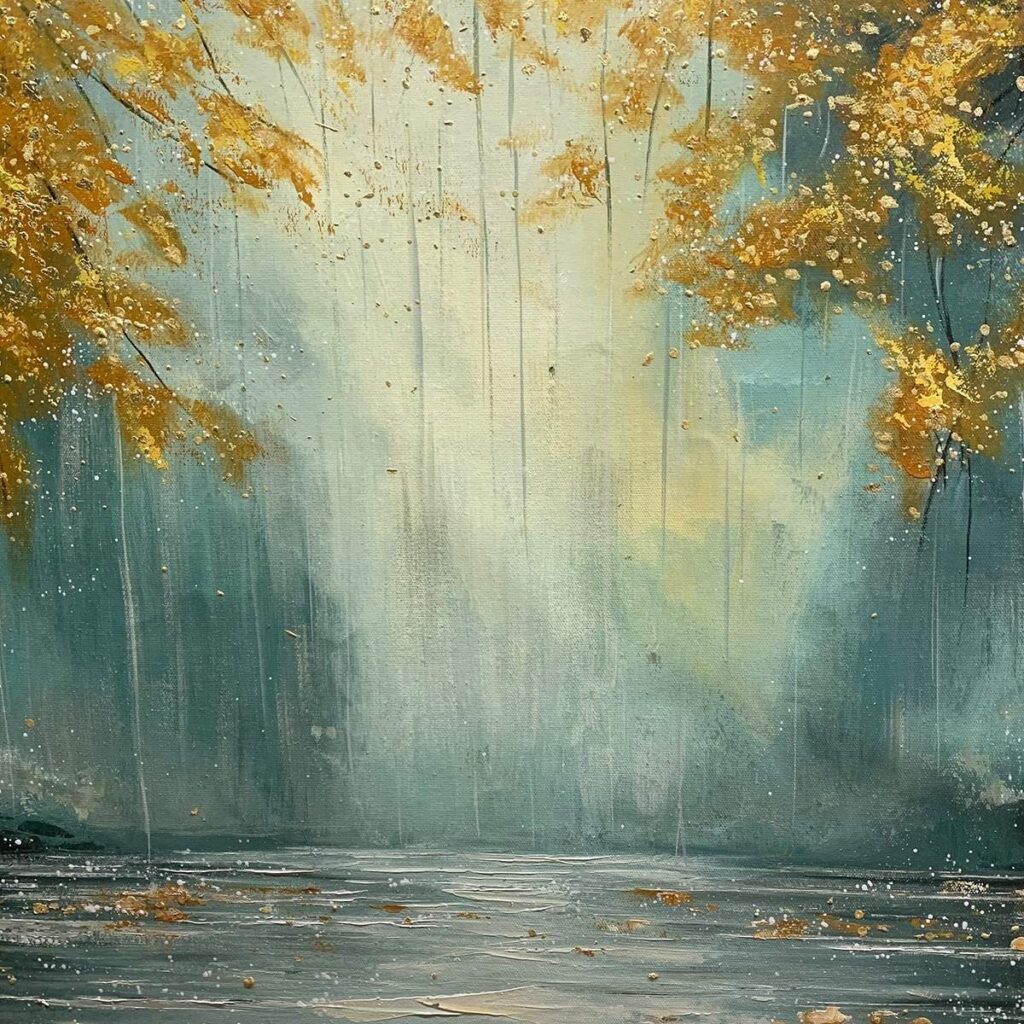
Relying exclusively on one style of nature artwork can make a space feel like a themed exhibition rather than a lived-in environment. The most compelling interiors layer different artistic interpretations of nature to create visual dialogue—a photorealistic mountain print might hang across from an abstract watercolor suggesting the same terrain through loose washes of blue and grey, with both pieces connected by shared tonality rather than identical technique. When combining styles, establish a unifying thread that prevents the arrangement from feeling chaotic. That thread might be a consistent color temperature across all pieces, a shared subject category like water or foliage, or a uniform framing treatment that visually groups disparate works into a cohesive collection. You can also pair nature artwork with other art forms effectively by treating the nature piece as the grounding element and allowing geometric abstracts or typographic works to serve as counterpoints. A concrete strategy that works well in open-plan living spaces involves creating distinct art zones—perhaps a cluster of moody forest photographs in the dining area transitioning to lighter, airier floral illustrations near the kitchen—so the artwork subtly signals functional shifts within the same room without walls. The key is maintaining intentional contrast rather than accidental clash, giving each piece enough breathing room to be appreciated individually while contributing to the larger compositional story of the space.
Transforming Spaces Through Strategic Nature Art Integration
Nature artwork serves as far more than decoration—it’s a strategic design tool that measurably improves occupant well-being, creates aesthetic cohesion across diverse material palettes, and gives interior designers an evidence-based foundation for their creative recommendations. The practical installation solutions covered here, from selecting quality pre-stretched canvases to mastering efficient hanging workflows with the right tools, eliminate the logistical friction that too often delays project completion. Meanwhile, the creative strategies for scaling artwork to specific room functions, deploying large-scale pieces as focal points, and layering multiple artistic styles into cohesive compositions give you a toolkit for making nature imagery the defining narrative of any space you touch.
The next time you begin a project, consider letting nature artwork drive your design decisions rather than treating it as a final accessory. Select a piece early in the process, build your material palette around its tones and energy, and watch how that single choice brings clarity to every subsequent decision. Your clients will feel the difference in spaces that resonate on a deeper, more instinctive level—and that emotional connection is what transforms good design into unforgettable design.
-
-

-
-

-

- Mastering The Art Of Visual Storytelling: A Guide
