Picture a festival ground littered with thousands of discarded plastic cups, destined for landfills where they’ll persist for centuries. This scene repeats at events worldwide, contributing to our mounting waste crisis. Event planners today face a pressing challenge: sourcing drinkware that satisfies both environmental responsibility and practical demands like durability, style, and seamless event execution. The good news is that the industry has shifted dramatically toward sustainable alternatives, from compostable paper cups to innovative recyclable drinkware that performs as well as traditional options. This guide will walk you through selecting the ideal eco-friendly drinkware for your events by examining material choices, evaluating your specific event requirements, understanding waste infrastructure compatibility, and balancing aesthetics with sustainability goals. Whether you’re planning an intimate gathering or a large-scale festival, you’ll discover how to make choices that reduce environmental impact without compromising the guest experience.
Table of Contents
Why Eco-Friendly Drinkware is a Must for Modern Events
Event attendees increasingly expect sustainability, and clients now prioritize vendors who demonstrate environmental responsibility. This shift isn’t merely trendy—it reflects genuine concern about the staggering waste legacy of traditional events. Conventional plastic cups contribute millions of tons to landfills annually, where they fragment into microplastics that contaminate soil and waterways for generations. Each event using disposable plastics adds to this burden, creating a ripple effect that extends far beyond the venue gates. Sustainable drinkware alternatives dramatically reduce this environmental toll by offering materials that either biodegrade naturally or integrate seamlessly into recycling systems, cutting carbon emissions throughout their lifecycle. For event planners, choosing eco-friendly options elevates brand perception, positioning your events as forward-thinking and socially conscious. Guests notice and appreciate these details, often sharing their positive experiences through word-of-mouth and social media. Beyond ethics, today’s sustainable drinkware delivers the style and functionality modern events demand. The market now offers three compelling alternatives to traditional plastics: paper cups that biodegrade quickly and accept custom branding beautifully; certified compostable cups made from plant-based materials that mimic plastic’s convenience while breaking down in commercial facilities; and durable recyclable drinkware crafted from materials like PET or aluminum that can be processed repeatedly without quality loss. Each option addresses different event needs while supporting your sustainability commitments.
Navigating Your Eco-Friendly Cup Options: Materials Compared
Paper Cups: The Classic & Compostable Choice
Paper cups remain the most recognizable alternative to plastic cups, offering straightforward biodegradability when properly disposed. Standard paper cups typically feature a thin polyethylene lining to prevent leaking, which complicates composting, while newer versions use plant-based PLA linings that break down in commercial composting facilities. These cups excel at cold beverages and short-duration events, accepting custom printing beautifully for branding opportunities. Their natural aesthetic fits rustic or organic event themes perfectly. However, paper cups soften when holding liquids for extended periods, and their eco-benefits depend entirely on access to composting infrastructure—without it, they may still end up in landfills. For event planners seeking a proven, cost-effective option that guests immediately recognize as sustainable, paper cups deliver reliability for coffee stations, juice bars, and outdoor festivals where cold drinks dominate.

Plant-Based & Compostable “Plastic” Cups
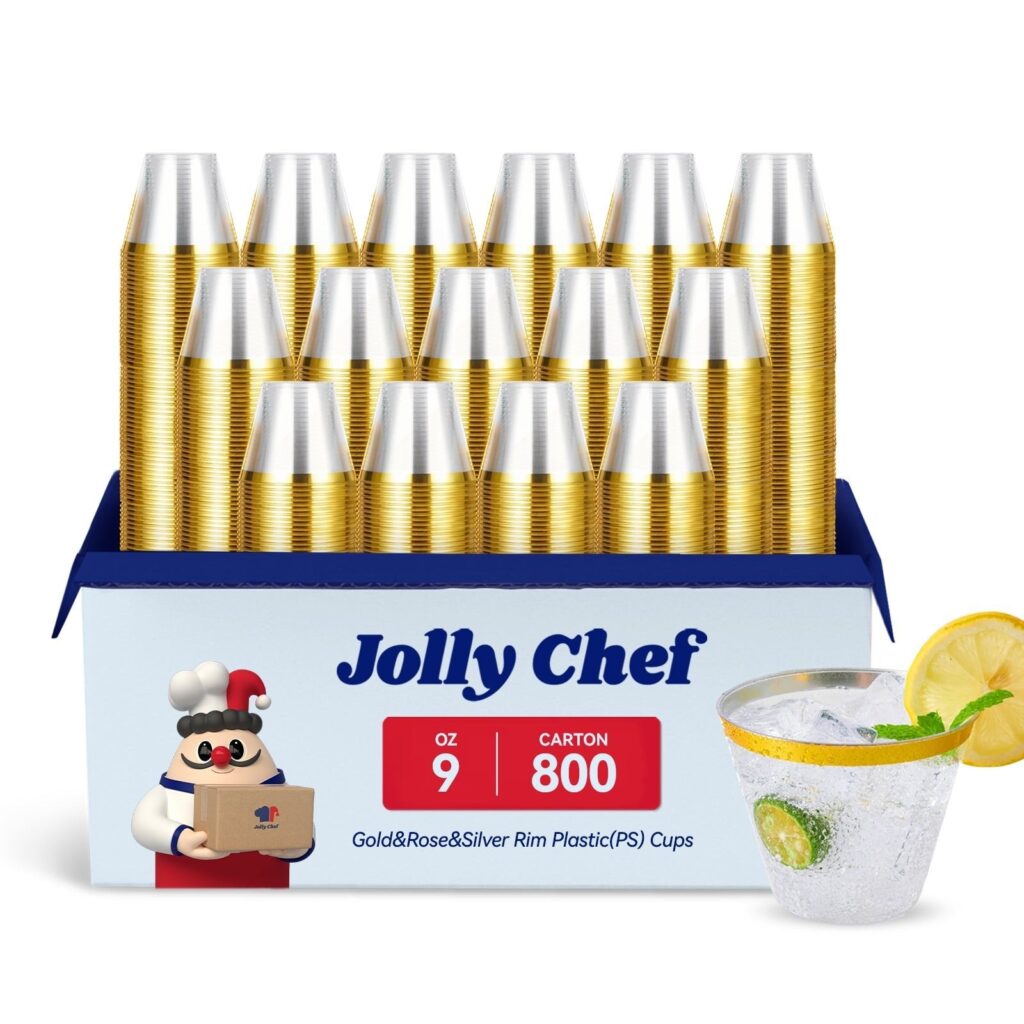
Cups manufactured from PLA (polylactic acid derived from corn starch), bagasse (sugarcane fiber), or similar biomaterials offer the familiar clarity and rigidity of traditional plastic cups while maintaining compostability credentials. These alternatives look virtually identical to petroleum-based plastics, providing the transparency and structural integrity guests expect without the environmental persistence. Certification matters critically here—look for BPI (Biodegradable Products Institute) or OK Compost labels confirming the cups meet strict decomposition standards in commercial facilities. These materials handle cold beverages excellently and certain formulations tolerate warm drinks, though extreme heat may cause deformation. For events with confirmed access to commercial composting services, plant-based cups provide the perfect marriage of convenience and sustainability, allowing easy cleanup through designated compost bins while maintaining the polished appearance of conventional drinkware. They’re particularly valuable for large-scale events where guest familiarity with cup handling reduces confusion.
Recyclable Drinkware: Durability Meets Sustainability
Clear PET (#1) and polypropylene (#5) cups represent the recyclable category, offering exceptional durability and crystal-clear transparency that showcases beverages beautifully. These materials withstand both cold and hot liquids without warping, accept high-quality printing for sophisticated branding, and feel substantial in guests’ hands. Their primary advantage lies in compatibility with existing single-stream recycling programs available in most municipalities, theoretically enabling infinite material recovery. However, success depends entirely on two factors: guest compliance in using recycling bins correctly and your local waste infrastructure’s actual capability to process these materials. Aluminum cups elevate this category further, offering premium aesthetics with genuine infinite recyclability—aluminum retains full quality through countless processing cycles. For events in venues with robust recycling programs and clearly marked collection points, recyclable drinkware provides longevity and familiar handling while supporting circular economy principles, though planners must actively facilitate proper disposal through strategic bin placement and clear signage.
Small Serving Cups for Appetizers and Tastings
Miniature cups for shots, dessert samples, condiments, or tasting portions deserve the same sustainability consideration as full-size drinkware. Compostable paper shot glasses work beautifully for liquor tastings or dessert mousses, while small PLA cups provide transparency for showcasing colorful appetizers or sauces. Tiny recyclable plastic portion cups suit events with established recycling streams. The key consideration is maintaining visual and material consistency with your primary drinkware selection—matching materials simplifies waste sorting dramatically and creates cohesive event aesthetics. If your main cups are compostable, choose compostable small servings to keep all disposables flowing into the same waste stream, reducing guest confusion and contamination rates while maintaining your event’s polished, intentional appearance.
Your Step-by-Step Guide to Choosing the Perfect Cup
Step 1: Assess Your Event’s Practical Needs
Begin by mapping your beverage lineup against material performance characteristics. Hot coffee and tea require heat-resistant options like double-walled paper cups or certain polypropylene recyclables, while cold cocktails and sodas work with virtually any material. Consider event duration carefully—cups holding drinks for under an hour tolerate paper well, but multi-hour receptions demand sturdier compostable plastics or recyclables that won’t soften or leak. Guest count influences both material choice and ordering volume, with larger events benefiting from standardized options that simplify logistics. Service style matters significantly: beverage stations allow guests to handle cups carefully, while passed service demands extra durability to withstand tray transport and potential jostling. Match these practical requirements to material strengths before considering other factors.
Step 2: Audit Your Waste Management Options
Contact your venue’s facilities manager or waste hauler directly to confirm exactly which disposal streams they support—this conversation determines your viable cup options. Ask specifically whether they contract with commercial composting facilities that accept BPI-certified compostables, as standard composting cannot process these materials properly. For recyclable options, verify they process the specific plastic numbers you’re considering and confirm their single-stream system accepts food-contaminated items. Request documentation or facility names to validate claims, as some venues overstate their capabilities. If your venue lacks appropriate infrastructure, research whether you can arrange temporary service with specialized event waste companies for that day. Choosing cups incompatible with available disposal systems transforms your “eco-friendly” choice into greenwashing—the cups simply contaminate waste streams or end up in landfills anyway, negating environmental benefits entirely while adding expense.
Step 3: Balance Budget with Sustainability Goals
Standard paper cups typically cost least, with compostable bioplastics running slightly higher and premium recyclables or aluminum commanding top prices. Calculate total drinkware spend including both purchase and disposal costs, as some municipalities charge less for compostable waste collection than landfill hauling, potentially offsetting higher cup prices. Request volume pricing from multiple suppliers and compare per-unit costs across materials at your specific quantity. If budget constraints limit options, implement a tiered approach: specify premium sustainable drinkware for VIP areas, cocktail receptions, or signature beverages where visibility matters most, while using cost-effective paper cups for backstage areas or staff service. This strategy demonstrates commitment to sustainability within financial realities while maximizing impact where guests notice most.
Step 4: Finalize Style and Branding Integration
Match cup aesthetics to your event’s visual identity and atmosphere. Paper cups accept vibrant custom printing beautifully, ideal for branded events or festivals wanting bold graphics. Clear PLA or PET showcases colorful beverages elegantly for upscale cocktail parties or wine tastings where drink presentation matters. Consider whether transparency, opacity, or natural kraft tones best complement your decor palette and service ware. Request printed samples from suppliers to evaluate color accuracy and finish quality before committing to large orders, ensuring your branding translates well to the chosen material and cup size.
Pro Tips for Event Planners: Sourcing and Implementation
Where to Source Bulk Eco-Friendly Drinkware
Specialized eco-event suppliers like Eco-Products and World Centric focus exclusively on certified sustainable options with transparent sourcing information and detailed product specifications. Restaurant supply companies such as Webstaurant Store and Wasserstrom carry extensive inventories at competitive volume pricing, offering mixed material options alongside conventional products. Major online retailers including Amazon Business and Uline provide convenient ordering with quick shipping, though certification verification becomes your responsibility. Tableware suppliers like Jolly Chef also offer eco-friendly drinkware options alongside their broader product lines, which can be convenient when coordinating multiple event supplies from a single source. Always request physical samples before committing to large orders, examining cup thickness, print quality, and structural integrity firsthand. Verify that compostable products display legitimate BPI or CMA certification marks rather than vague “eco-friendly” claims, and confirm recyclable options clearly indicate their resin identification code for proper disposal guidance.
Ensuring Easy Cleanup and Proper Disposal
Strategic bin placement transforms disposal from chaotic to seamless—position clearly labeled collection stations every 30 feet throughout your venue, with separate openings for compost, recycling, and landfill waste matching your cup choice. Use bold graphics and color coding rather than text alone, as visual cues work across language barriers and catch distracted guests’ attention. Place large, unmistakable images of your specific cup type above the correct bin opening, eliminating guesswork about where items belong. Station volunteers or staff near bins during the event’s first hour to guide guests and answer questions, establishing proper sorting patterns early. Brief your cleanup crew in advance about which materials go where, providing reference photos of your chosen cups to prevent well-intentioned but incorrect sorting that contaminates entire waste streams and negates your sustainability efforts.
Communicating Your Green Choice to Guests
Subtle communication enhances guest appreciation without feeling preachy or self-congratulatory. Include a brief mention in your event program or welcome signage explaining your sustainable drinkware choice and how guests can participate through proper disposal. Place small table tents near beverage stations highlighting the cup’s eco-credentials with simple language like “These compostable cups return to earth naturally—please use green bins.” This transparency transforms passive consumption into conscious participation, making guests feel they’re contributing to something meaningful simply by disposing of their cup correctly, which increases compliance rates and creates positive associations with your event’s values.
Making Sustainable Drinkware Choices That Matter
Selecting the perfect eco-friendly drinkware for your events requires thoughtfully navigating the journey from traditional plastic cups to sustainable alternatives. Start by understanding your material options—paper cups offer classic compostability, plant-based bioplastics deliver familiar convenience with environmental benefits, and recyclable drinkware provides durability within circular systems. Assess your specific event requirements including beverage types, duration, and guest count, then critically audit your venue’s waste infrastructure to ensure your chosen cups can actually be processed properly. Balance these practical considerations against budget constraints and aesthetic goals, remembering that the most sustainable choice is one that aligns with available disposal systems rather than the one with the most appealing marketing claims. The perfect drinkware balances environmental responsibility, functional performance, visual appeal, and financial reality—no single option suits every event, but informed selection dramatically reduces waste while maintaining the polished guest experience modern events demand. By prioritizing sustainability from your earliest planning stages and implementing proper disposal systems with clear communication, you transform drinkware from a simple supply item into a meaningful statement about your values. Start your next event with these principles in mind, and join the growing movement of planners reshaping the industry toward a more sustainable future, one cup at a time.
-

-

-
-

-

-