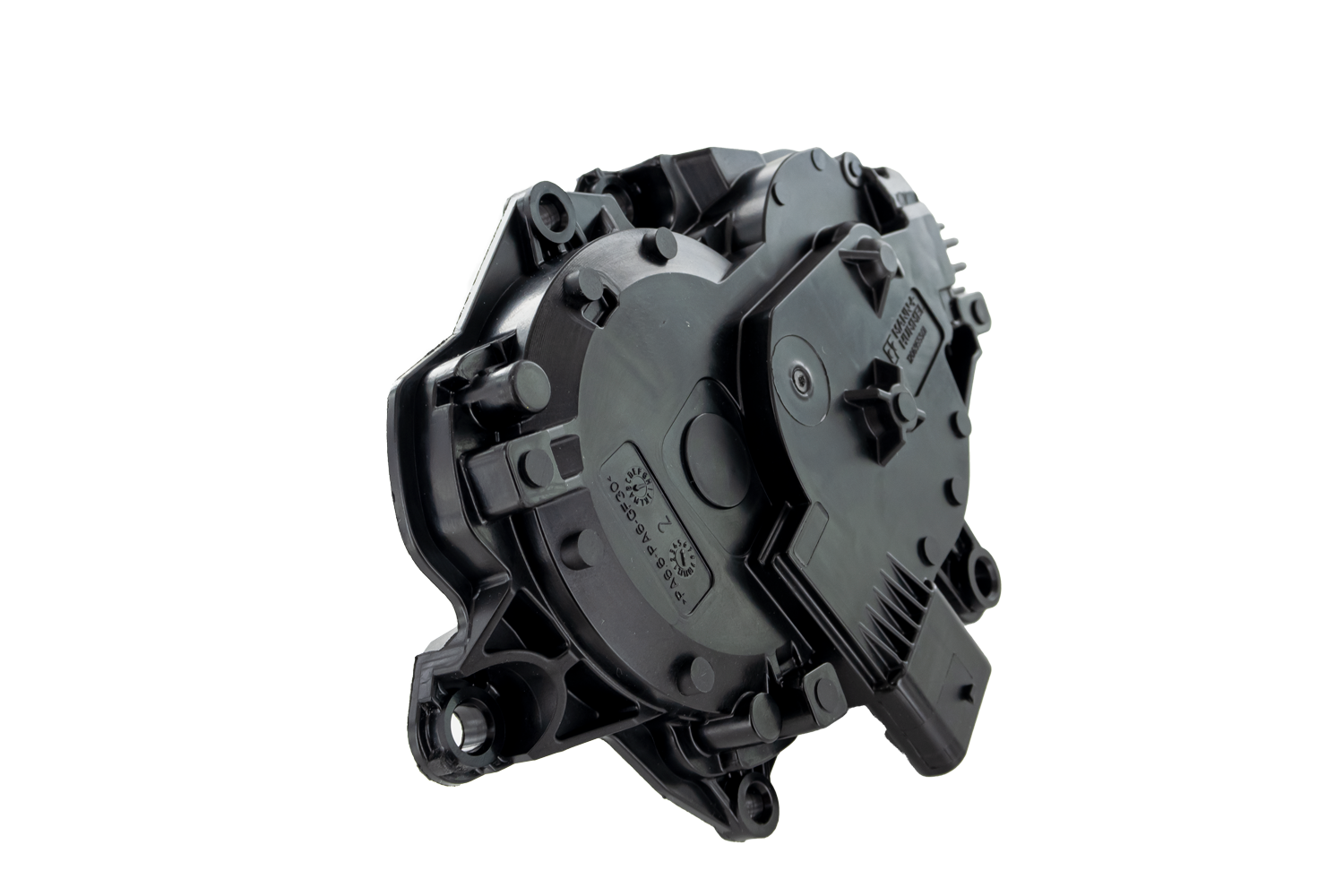
Subsea actuator systems are not purchased once and forgotten. They move through a long operational arc that begins well before installation and continues through years of service in some of the most demanding environments industrial equipment can face. For US operators working in offshore and subsea environments, managing that arc responsibly is not a matter of preference — it is a baseline requirement for safety, regulatory compliance, and production continuity.
The challenge is that most equipment procurement conversations focus heavily on the initial specification stage while giving less structured attention to what happens afterward. Repair windows, refurbishment timelines, replacement sourcing, and end-of-life decisions are often handled reactively rather than as part of a coordinated plan. This creates gaps that show up at the worst possible moments: during an unplanned shutdown, when a critical component is needed on short notice, or when an operator is trying to evaluate whether a piece of aging equipment should be rebuilt or retired.
What the industry increasingly needs is a service model that matches the actual shape of actuator ownership — one that supports operators across every stage, not just at the point of sale. That shift in thinking is where full-lifecycle management becomes relevant.
Table of Contents
What Full-Lifecycle Actuator Management Actually Means in Practice
Full-lifecycle actuator management is a structured approach to supporting subsea and offshore equipment from initial selection through active service and eventual decommissioning or replacement. It is distinct from standard maintenance contracts in that it treats each actuator as a long-term asset rather than a consumable item with a fixed service interval. The goal is to extend reliable service life while reducing the total cost and operational risk associated with managing that equipment over time.
This is the operational context in which subsea pressure controls ltd has built its service model for US operators. Rather than focusing on individual transactions, the approach is oriented around the full ownership experience — from pre-installation support and compatibility verification, through in-service maintenance and repair, to end-of-life assessment and component sourcing when replacement becomes necessary.
The practical value of this model is most visible when something goes wrong. An operator who has an existing service relationship with a provider familiar with their equipment history can respond to a failure much faster than one who is starting from scratch with a new vendor. Documentation of previous work, knowledge of system-specific configurations, and familiarity with any modifications that were made in service all reduce the diagnostic and repair timeline significantly.
Why the Pre-Installation Stage Sets the Conditions for Everything That Follows
The decisions made before an actuator enters service have consequences that last for the full duration of its operational life. Selecting the wrong configuration for a specific depth, fluid type, or control system interface creates problems that maintenance alone cannot resolve. Even a well-manufactured actuator will underperform or fail early if it was not correctly matched to the conditions it will actually face.
A lifecycle-oriented service provider engages at this stage to verify compatibility, flag potential mismatches, and document the baseline specifications that will inform all future service work. This is not just a technical review — it is the creation of an operational reference point. When a technician performs maintenance two years into service, that pre-installation documentation tells them what the system looked like when it was working correctly, which makes diagnosis significantly more straightforward.
In-Service Support and the Cost of Reactive Maintenance
Reactive maintenance — responding to failures as they occur rather than managing equipment proactively — is consistently more expensive than planned service. It is not only the cost of the repair itself but also the lost production time, the expedited logistics required to get parts or personnel on-site, and the secondary damage that often occurs when a primary failure is not caught early.
Lifecycle management programs address this by establishing regular inspection intervals, defining clear performance thresholds, and maintaining service records that allow trends to be identified before they become failures. For subsea actuators specifically, where visual inspection is limited and access is often difficult, having detailed historical data on each unit’s service history is one of the most practical risk-reduction tools available to an operator.
The Role of Repair and Refurbishment in Long-Term Asset Value
Not every actuator that develops a fault needs to be replaced. Many failures are localized — a seal assembly, a valve component, a hydraulic fitting — and the underlying unit remains structurally sound and serviceable if the repair is done correctly. The decision to repair or replace involves assessing the actual condition of the unit, the cost and availability of the required parts, the remaining useful life of the equipment, and the operational risk of returning a repaired unit to service in a demanding environment.
This decision is more nuanced than it appears. An operator who lacks detailed service history for a unit has a harder time making this call confidently. A provider with full documentation of that unit’s service life — including any previous repairs, modifications, or performance anomalies — can make a much more informed assessment. This is one of the less visible but practically significant advantages of a continuous service relationship over a series of disconnected transactions with different vendors.
Refurbishment Standards and Operational Risk
When a unit is refurbished, the quality of that work is only as reliable as the standards applied during the process. Subsea actuators that are returned to service after refurbishment are going back into an environment where failure has serious consequences — both for the equipment and for the broader system it controls. The refurbishment process needs to meet the same standards as original manufacture, which means using correctly specified components, following documented procedures, and testing the unit before it goes back into service.
Industry guidance on this point is well-established. Organizations such as the International Organization for Standardization have developed standards that define acceptable practices for subsea equipment service and refurbishment, and operators working in regulated environments are expected to ensure that their service providers are working within those frameworks. A lifecycle management partner who understands these requirements and maintains consistent compliance with them reduces the regulatory burden on the operator considerably.
Replacement Sourcing and the Problem of Obsolescence
Subsea actuator systems have long operational lives, and it is common for operators to find themselves needing replacement components for equipment that is no longer in active production. This is not a rare edge case — it is a predictable challenge that affects most operators managing aging infrastructure. The ability to source correctly specified replacement parts, or to identify suitable alternatives that meet the original performance requirements, is a practical and recurring need.
Service providers with deep inventory relationships and technical knowledge of a broad range of actuator types are better positioned to solve this problem than those who work within a narrow product range. The key is not just having parts available but having the technical understanding to confirm that a substitute component will perform correctly in a specific application. Getting this wrong — using an incorrectly specified part under pressure from lead time or cost — is one of the more common causes of premature failure in refurbished subsea equipment.
Inventory Management as an Operational Tool
Operators who work with a lifecycle management provider over an extended period often benefit from more structured inventory planning. Rather than holding large safety stocks of spare parts on their own facilities — which carries its own cost and management burden — they can rely on a service partner with organized inventory access and the ability to supply parts on a predictable timeline. This works best when there is a documented equipment register in place, so both the operator and the service provider know exactly what is in service and what components are likely to be needed over the coming maintenance cycles.
Documentation, Traceability, and Regulatory Compliance
US operators working in offshore environments are subject to regulatory requirements that extend to the documentation of equipment maintenance and service history. These requirements are not bureaucratic formalities — they exist because traceability in subsea systems is directly connected to safety. When an incident occurs, investigators need to be able to establish what was done to a piece of equipment, when, by whom, and according to what standard. Gaps in documentation create both regulatory exposure and genuine uncertainty about the condition of equipment in service.
A lifecycle management approach treats documentation as a core deliverable, not an administrative afterthought. Every service event, inspection result, component replacement, and performance test is recorded and maintained as part of the equipment’s service history. Over time, this record becomes genuinely valuable — not just for compliance purposes but as a tool for making better operational decisions about that specific equipment.
Concluding Thoughts on Lifecycle-Oriented Service for Subsea Operators
The shift from transactional equipment purchasing to lifecycle-oriented service management is not driven by philosophy — it is driven by the practical realities of operating subsea actuator systems over long periods in demanding environments. The costs of reactive maintenance, unplanned downtime, documentation gaps, and poorly managed refurbishment work are real and measurable. The alternative is a more structured relationship with service providers who understand the full arc of actuator ownership and are equipped to support operators at every stage of it.
For US operators evaluating their current approach to actuator management, the most useful starting point is an honest assessment of where the gaps exist. Is pre-installation documentation consistent and complete? Are service intervals being managed proactively or reactively? Is there a clear and informed process for making repair-versus-replace decisions? Are replacement parts being sourced with adequate technical verification?
These are not complex questions, but answering them honestly often reveals that the current approach has more room for improvement than the day-to-day operation makes visible. A service partner with lifecycle expertise and a consistent presence across all of those stages is well-positioned to close those gaps — and to reduce the operational risk that comes with managing critical subsea equipment without that kind of structured support in place.
-

-
-

-

-

-