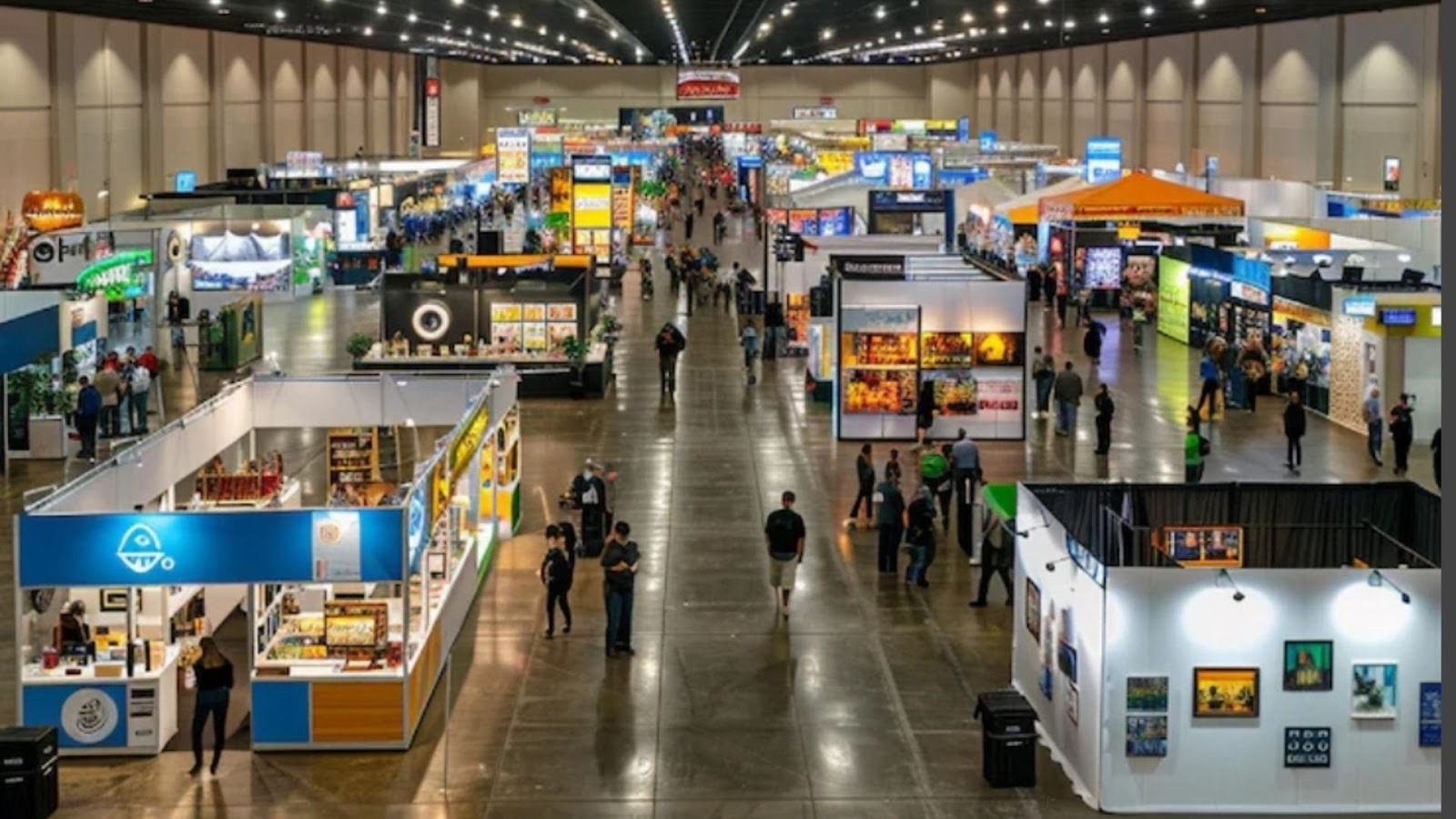
The perception of trade shows is in an apparent shift, with brands reconsidering the ways in which presence, performance, and flexibility intersect on the show floor. Conventional booth designs are being replaced with flexible, experience-based designs that are efficient without affecting the impact. Portable, modular, and immersive digital overlays are currently characterized as the means of visibility and interaction by exhibitors. In tandem with physical innovation, virtual trade show exhibits have become an effective extension of physical engagement, enabling brands to connect with their customers beyond the venue and event dates. Collectively, such changes are indicative of a new age of exhibit design, one that is flexible, sustainable, and capable of producing tangible and quantifiable outcomes both in the physical and virtual worlds.
Five Design Trends Reshaping Modern Trade Show Exhibits

- Modular Systems That Adapt Across Events
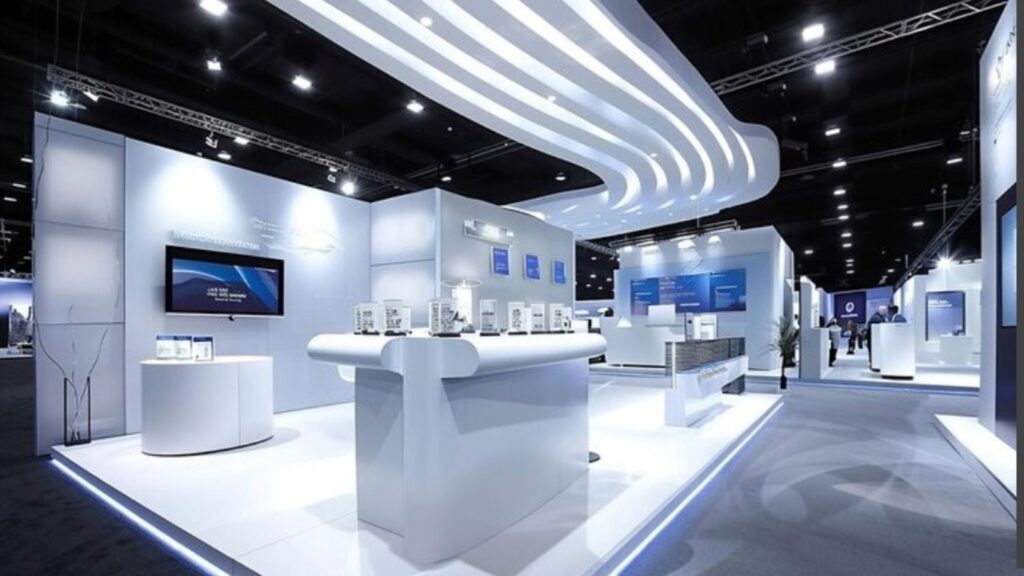
The trade show exhibiting companies that lead the industry are progressively adopting modularity as a fundamental design concept. Modular exhibit systems enable components to be reused across booth sizes and layouts and across events without having to be assembled anew. Panels, frames, counters, and displays can be moved around to fit the requirements of inline booths, corner spaces, or island displays, providing long-term flexibility. This flexibility allows for reducing storage, transportation, and redesign costs and preserving a distinctive brand image. Modular systems are also easy to update so that the graphics or messages can be changed without altering the structural framework; thus, they are best suited to adapt to changing campaigns and multi-show schedules.
- Lightweight Portability Without Compromising Presence
Contemporary exhibitions have proved to be characterized by portability. Frames and collapsible buildings are being utilized in place of massive, robust structures; fabric-based graphics and fabrics are being used instead of massive and sturdier buildings. Such materials can be erected quickly, moved with less effort, and require less labor, yet still give a strong visual effect. Emerging technologies in tension fabric printing and structural engineering ensure that portable displays are professionally finished with bold branding. The result is a booth that is movement-orientedis practically and attention-seeking, about operational expedience and high-end display.
- Seamless Integration of Digital and Physical Experiences
The border between physical and digital interaction is still indistinct. Exhibitions have become interactive with interactive screens, motion graphics, augmented reality, and live data displays to enhance visitor experiences. Touch screens and QR-based content will enable the attendees to learn more about the products, demos, and case studies on their own. These are digital layers that make the interaction between the booths longer and provide individual engagement channels. Combined with virtual extensions, information onsite can be continually available even after the event, strengthening brand messages and extending the longevity of every exhibit investment.
- Sustainability-Driven Design Choices
The decisions that are made in the design of exhibits are being affected more by environmental concerns. Reusable buildings, recyclable materials, and graphics production that produces low waste are becoming the norm and not a choice. Single-use vinyl is substituted with fabric graphics, while modular frames eliminate the necessity to rebuild several times. Green lighting systems like LEDs use less power without the need to reduce clarity or brightness. These options are good ones, as they are both representative of large-scale corporate responsibility objectives, and they provide real-world advantages, such as lower shipping weight and long-term cost savings. Sustainable design conveys vision and responsibility, which is very appealing to contemporary viewers.
- Hybrid Exhibits That Extend Beyond the Show Floor
Hybrid exhibit strategies are a blend of physical interaction with virtual accessibility to enable brands to interact with the audience before, during, and after events. Physical booths have become content vortices, attracting demonstrations, presentations, and interactions that serve digital platforms. Online spaces are reflections or supplements of physical design, where remote participants can access branded experiences. The hybrid will provide maximum exposure, channel-based lead generation, and ensure that the investments made in the exhibits do not end with the event calendar.
End Point
Exhibitions in trade shows are no longer fixed objects, but are only located in one place or at one time. The modern brand is characterized by modular portability, digital integration, sustainability, and hybrid engagement in the context of exhibition design. By adopting these new trends, exhibitors provide responsive systems that can travel, move easily, and expand their presence in both physical and virtual environments. The future of trade show design is the exhibit that keeps up with the strategy, delivering the same level of impact and measuring engagement and value in the ever-shifting landscape of events.
-

-
-

-

-

-