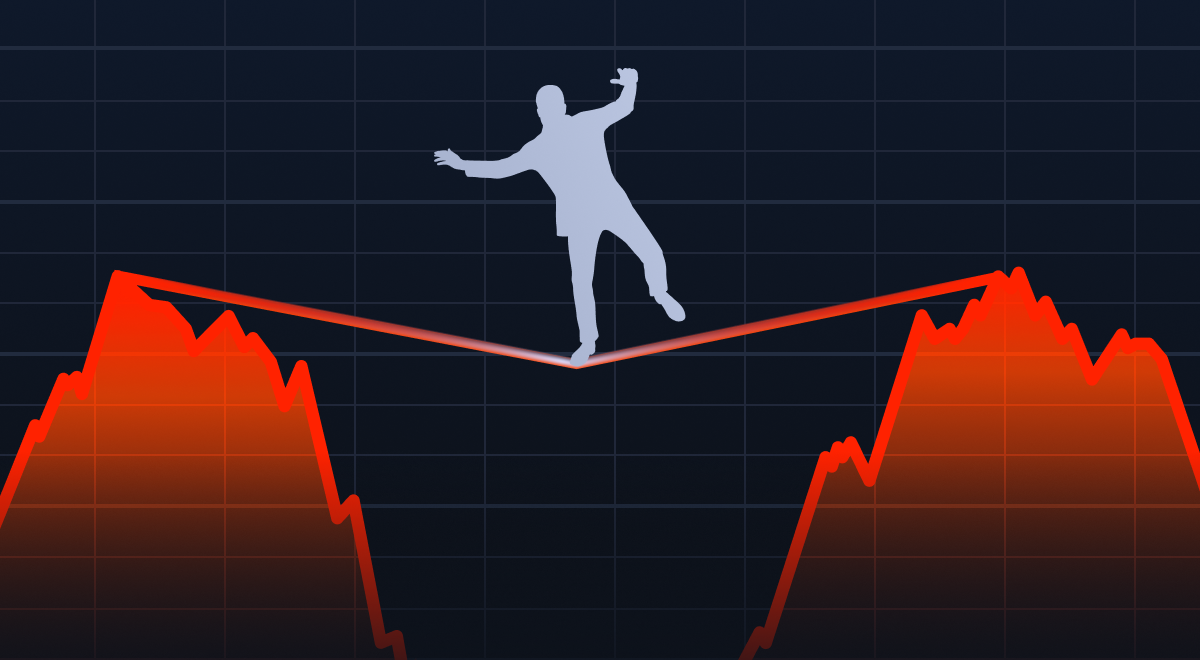
Risk is an inherent part of forex trading, but the right tools can help traders minimize losses while maximizing opportunities. Forex risk management tools provide solutions that allow traders to assess exposure, control positions, and maintain discipline. From automated alerts to sophisticated calculators, these tools are essential for both beginners and experienced traders seeking consistent profitability.
What Are Forex Risk Management Tools and How Do They Work?
Forex risk management tools are software or features that help traders control the potential downside of their trading activities. They work by analyzing trade size, market volatility, account equity, and historical data to determine optimal risk parameters. By implementing these tools, traders can make informed decisions, avoid catastrophic losses, and maintain a structured approach to trading.
Why Is Risk Management Critical in Forex Trading?
Without proper risk management, even profitable strategies can lead to account depletion. Effective risk management:
- Protects capital by limiting losses per trade
- Maintains consistent account growth
- Reduces emotional trading decisions
- Ensures survival in volatile market conditions
Traders who ignore risk management are more likely to make impulsive decisions, resulting in significant drawdowns.
Which Tools Help Calculate Risk Per Trade?
Several tools focus on determining optimal trade size based on account balance and risk tolerance:
- Position Size Calculators – Automatically calculate lot sizes based on risk per trade.
- Risk-Reward Ratio Tools – Measure potential reward relative to potential loss to guide trade selection.
- Margin Calculators – Ensure trades do not exceed available leverage limits.
Using these tools helps traders set precise trade sizes that match their strategy and risk appetite.
How Do Stop-Loss and Take-Profit Tools Assist Traders?
Stop-loss and take-profit tools are essential for limiting losses and securing gains:
- Stop-Loss Orders – Automatically close positions when price reaches a predefined level to prevent larger losses.
- Trailing Stops – Adjust stop levels dynamically as the trade moves in favor of the trader.
- Take-Profit Orders – Lock in profits at predetermined levels, removing the need for constant monitoring.
These tools enforce discipline and protect both capital and profits.
Can Automated Alerts Reduce Trading Risk?
Yes. Automated alerts notify traders when predefined conditions are met, such as:
- Breaching a maximum drawdown
- Approaching a key support or resistance level
- Exceeding a volatility threshold
Alerts allow traders to act quickly or adjust strategies before significant losses occur.
What Are the Advantages of Using Risk Management Software?
Risk management software combines multiple tools to provide a comprehensive approach:
- Real-Time Risk Monitoring – Displays account exposure, open positions, and margin utilization.
- Trade Journals and Analytics – Track past performance to identify weaknesses.
- Scenario Simulation – Test how trades react under different market conditions.
Such software allows traders to make informed decisions, maintain consistency, and reduce emotional errors.
Are Forex Risk Management Tools Suitable for Beginners?
Absolutely. Beginners often struggle with controlling emotions and understanding position sizing. Risk management tools simplify these tasks by providing guidance, calculations, and automated controls. They help beginners develop discipline, learn to set realistic trade limits, and maintain account longevity.
How Do Traders Use Volatility Indicators to Control Risk?
Volatility indicators measure how much price fluctuates and help determine position sizing:
- Average True Range (ATR) – Measures average price movement over time to adjust stop-loss distances.
- Bollinger Bands – Highlight periods of high or low volatility, signaling potential breakouts or consolidations.
- Standard Deviation – Evaluates price dispersion to gauge market uncertainty.
Incorporating volatility analysis ensures trades are appropriately sized and reduces the risk of being stopped out prematurely.
Can Correlation Tools Reduce Exposure?
Yes. Currency pairs often move in correlated directions. Correlation tools help traders identify:
- Highly correlated pairs that increase overall exposure
- Negative correlations that can be used to hedge risk
- Redundant trades that may amplify potential losses
By monitoring correlations, traders can diversify effectively and manage aggregate account risk.
How Do Margin Management Tools Protect Accounts?
Margin management is crucial to avoid forced liquidations or excessive leverage risk:
- Margin Level Indicators – Show available margin relative to positions held.
- Leverage Calculators – Help traders determine safe leverage for their account size.
- Auto Liquidation Alerts – Warn before positions reach dangerous margin levels.
These tools prevent overexposure and allow traders to maintain a healthy balance between risk and potential reward.
What Are Common Risk Management Mistakes Traders Make?
Even with tools, traders can make errors such as:
- Ignoring stop-loss or take-profit placement
- Overleveraging positions beyond risk tolerance
- Chasing losses instead of following a plan
- Using too many correlated trades simultaneously
Avoiding these mistakes requires understanding tools, consistent monitoring, and disciplined execution.
How Do Position Sizing Tools Improve Long-Term Performance?
Position sizing tools adjust trade size based on account balance, volatility, and risk preference. This ensures no single trade can cause disproportionate losses. Over time, proper position sizing stabilizes account growth, reduces drawdowns, and supports sustainable trading.
Can Backtesting Tools Enhance Risk Management?
Yes. Backtesting software simulates strategies using historical data to evaluate performance under different conditions. It identifies potential weaknesses, optimizes stop-loss levels, and estimates drawdowns. Backtesting allows traders to refine their strategies and implement realistic risk parameters before committing capital.
How Do Traders Combine Multiple Risk Management Tools?
Professional traders integrate multiple tools for comprehensive coverage:
- Position sizing calculators to determine optimal trade size
- Stop-loss and take-profit orders for automatic risk control
- Volatility indicators to adjust strategy for market conditions
- Alerts and analytics to monitor performance in real time
This layered approach ensures no single error can cause significant losses, improving overall trading discipline.
Are Risk Management Tools Useful for Automated Trading?
Absolutely. Automated strategies, such as EAs, rely on risk management rules to protect accounts:
- Predefined stop-loss and take-profit settings
- Maximum drawdown limits per session
- Dynamic position sizing based on account equity
These integrations ensure automation operates safely while executing strategies efficiently.
How Do Traders Monitor Overall Account Risk?
Monitoring total account risk involves evaluating:
- Exposure across multiple positions
- Aggregate drawdowns and profit/loss distribution
- Correlation between assets to avoid concentrated risk
Risk dashboards and analytic tools provide real-time visualization, making it easier to maintain control over complex trading accounts.
Can Risk Management Tools Improve Psychological Discipline?
Yes. By providing structured controls, automatic alerts, and calculated position sizes, these tools help reduce emotional decision-making. Traders are less likely to panic during market swings, make impulsive trades, or deviate from their strategy. Improved discipline often translates into more consistent long-term results.
What Are the Benefits of Scenario Analysis and Stress Testing?
Scenario analysis tools simulate extreme market conditions to assess potential losses. Stress testing helps traders understand:
- Maximum expected drawdown in volatile markets
- Exposure under adverse economic events
- Resilience of strategies under different conditions
This proactive approach allows traders to prepare for uncertainty and implement safeguards.
How Do Traders Select the Right Risk Management Tools?
Selection involves evaluating:
- Accuracy – Tools should provide reliable calculations and real-time updates.
- Compatibility – Works with chosen trading platforms and account types.
- Ease of Use – Simple interfaces reduce mistakes and confusion.
- Customization – Adjustable parameters for strategy alignment.
- Support and Updates – Regular updates ensure continued effectiveness in changing markets.
Choosing the right tools increases efficiency, safety, and confidence in trading decisions.
Conclusion: Why Forex Risk Management Tools Are Essential
Forex risk management tools are indispensable for controlling trading risk and maintaining long-term account stability. By using position sizing calculators, stop-loss and take-profit orders, volatility and correlation analysis, and risk dashboards, traders can manage exposure effectively, minimize emotional errors, and enhance consistency. Both beginners and experienced traders benefit from structured, professional risk management practices. Consistent application of these tools ensures sustainable growth, protects capital, and empowers traders to navigate the volatile forex markets with confidence and precision.
-

-

-

-
-

-