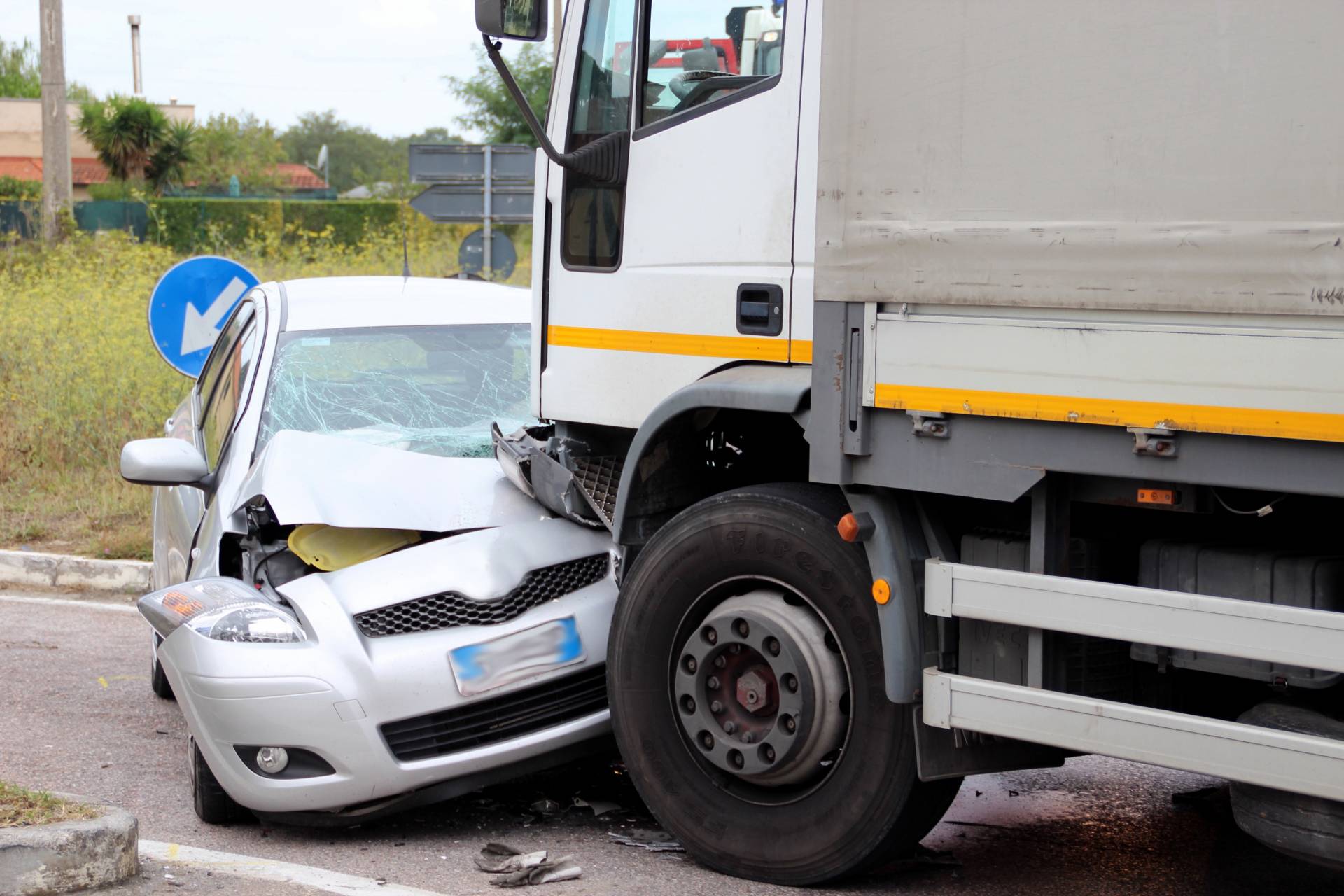
Sharing the road with commercial trucks is part of our daily life in and around Clearwater. Delivery vehicles, tractor-trailers and interstate carriers drive through busy corridors like US-19 and Gulf-to-Bay Boulevard every day. When a commercial truck gets into a crash – the legal rules behind the claim change in important ways. Federal trucking laws pave the way for us to learn more about trucking claims.
Understanding these rules will help you make sense of why truck accident claims follow a different path than standard car accidents.
Table of Contents
Why Federal Trucking Laws Matter After a Crash
Commercial trucking is regulated at the federal level. This is because trucks cross state lines and transport goods nationwide. These laws exist to reduce risks tied to long hours, heavy loads and large vehicles. When a trucking company or driver breaks one of these rules – that violation can play a major role in a personal injury claim.
In a truck accident case, federal rules mostly define what safe driving should have looked like before the crash. If those standards were ignored – that gap can point directly to negligence.
The Role of the FMCSA
The Federal Motor Carrier Safety Administration or FMCSA oversees commercial trucking safety in the United States. Its regulations apply to:
- drivers
- trucking companies
- even companies that load cargo
FMCSA rules cover areas such as:
- Driver training and qualifications
- Maximum driving hours
- Vehicle inspections and maintenance
- Drug and alcohol testing
- Cargo loading and weight limits
These regulations will promote road safety. They also mark clear benchmarks for accident investigators and attorneys. They can rely on these regulations when examining a crash.
Hours-of-Service Rules and Driver Fatigue
Driver fatigue is a common cause of serious truck crashes. Federal service hours rules exist to limit exhaustion behind the wheel.
Under current regulations – most commercial drivers can drive up to 11 hours. This driving time will apply only after 10 consecutive hours off duty. Drivers must also take a 30-minute break. This break is necessary after 8 continuous hours of driving. Weekly limits further restrict total on-duty hours. These limits apply across several consecutive days.
Most long-haul trucks now use electronic logging devices. These devices are commonly referred to as ELDs. They automatically record driving time and rest periods. After a crash, ELD data can reveal critical details. That data can show whether legal limits were followed. It can also show when limits were ignored.
When fatigue contributes to a collision, service hours violations become important to the claim.
Drug and Alcohol Restrictions for Commercial Drivers
Federal law has stricter limits on commercial drivers than on standard motorists. A commercial driver cannot drive a truck with a blood alcohol concentration of 0.04 percent or higher. This is half the limit applied to most drivers.
Federal rules also require:
- Pre-employment drug testing
- Random drug and alcohol testing
- Post-accident testing in certain situations
If testing reveals alcohol or drug use, the consequences can go beyond traffic citations. A single violation can lead to license suspension. While repeat offenses may end your commercial driving career. In a civil claim, failed tests can strongly push towards allegations of negligence.
Vehicle Maintenance and Inspection Requirements
Commercial trucks log far more miles than passenger vehicles. This makes your maintenance critical. Federal regulations require trucking companies to inspect, repair, and maintain every vehicle in their fleet.
These rules include:
- Routine inspections before and after trips
- Detailed maintenance records
- Immediate repairs for safety-related defects
Brake failures, tire blowouts and steering problems can trace back to skipped inspections or delayed repairs. Maintenance logs can be key evidence in many truck accident cases – especially when a mechanical failure played a role in the crash.
Cargo Securement and Weight Limits
Improperly loaded cargo can turn a truck into a serious hazard. Federal rules govern how freight must be secured. These rules also control how much weight a truck must carry.
Shifting cargo can cause dangerous rollover accidents. Jackknife crashes can happen without any warning. Spilled debris can also collide with nearby vehicles. Overloaded trucks need longer stopping distances. Extra weight can put more stress on brakes and tires.
When you ignore cargo rules, liability may extend beyond the driver to the company responsible for loading the truck.
Driver Qualification Standards
Commercial drivers must meet specific federal qualifications before they get behind the wheel. These include:
- holding a valid commercial driver’s license
- passing medical exams
- completing appropriate training
Trucking companies need to verify these qualifications and keep driver qualification files on record. If a company hires or retains a driver who does not meet federal standards – that decision can act as a significant issue in an injury claim.
How Federal Rules Shape Evidence in Truck Accident Cases
Truck accident claims have more documentation than standard car crashes. Federal regulations require trucking companies to keep and maintain records. These can help with what happened before a collision.
Important evidence may include:
- Electronic logging device data
- Driver qualification files
- Vehicle inspection and maintenance records
- Drug and alcohol test results
- Dispatch records and trip schedules
Accessing and preserving this evidence is important – since some records may only be kept for limited periods.
Federal Preemption and State Law
Federal trucking laws sometimes override state regulations – a concept known as preemption. This means federal standards can control safety requirements even when state laws differ.
In practice, federal rules maintain consistency across state lines. They also set the baseline for evaluating conduct in truck accident cases. A violation of a federal rule can help a negligence claim even when state traffic laws were technically followed.
Why Clearwater Truck Accidents Involve Added Risk
Clearwater sees a constant influx of local traffic, tourism and commercial transport. Large trucks frequently travel through major routes that connect:
- Tampa Bay
- coastal destinations
- and nearby ports
Congested roads and unfamiliar drivers can increase the risk of severe collisions.
When a truck crash happens in Clearwater – federal laws can explain why the damage was so severe. Long driving shifts, tight delivery schedules or overloaded trailers can collide with local traffic patterns in dangerous ways.
Liability Beyond the Driver
Truck accident claims can have more than one responsible party. Federal regulations apply to multiple layers of the trucking operation.
Potentially liable parties may include:
- The truck driver
- The trucking company
- A maintenance contractor
- A cargo loading company
- A parts manufacturer
Federal safety rules can help clarify where responsibility may lie when more than one failure contributed to a crash.
Damages Available After a Truck Accident
Federal regulations do not fix compensation amounts. They influence how you prove a fault after a crash. When you establish negligence, compensation may cover medical expenses. You may also include lost income and property damage. Long-term care costs can become part of the claim.
In fatal crashes, surviving family members may pursue a wrongful death claim. Understanding how federal trucking laws apply can strengthen the overall case. This knowledge can also shape the scope of recoverable damages.
When Legal Guidance Becomes Important
Truck accident cases mostly depend on technical rules and detailed records. Regulatory violations can also play a major role. Federal trucking laws are complex by design. Applying them correctly takes careful and methodical analysis.
This is why many injured victims decide to consult a Clearwater truck accident lawyer. This guidance will help you clarify how federal regulations connect to local crash claims.
Federal trucking laws exist to protect everyone on the road. Confusion can follow when you ignore these laws. Understanding those rules can make the difference between unanswered questions and real accountability.
-

-

-

-

-

-