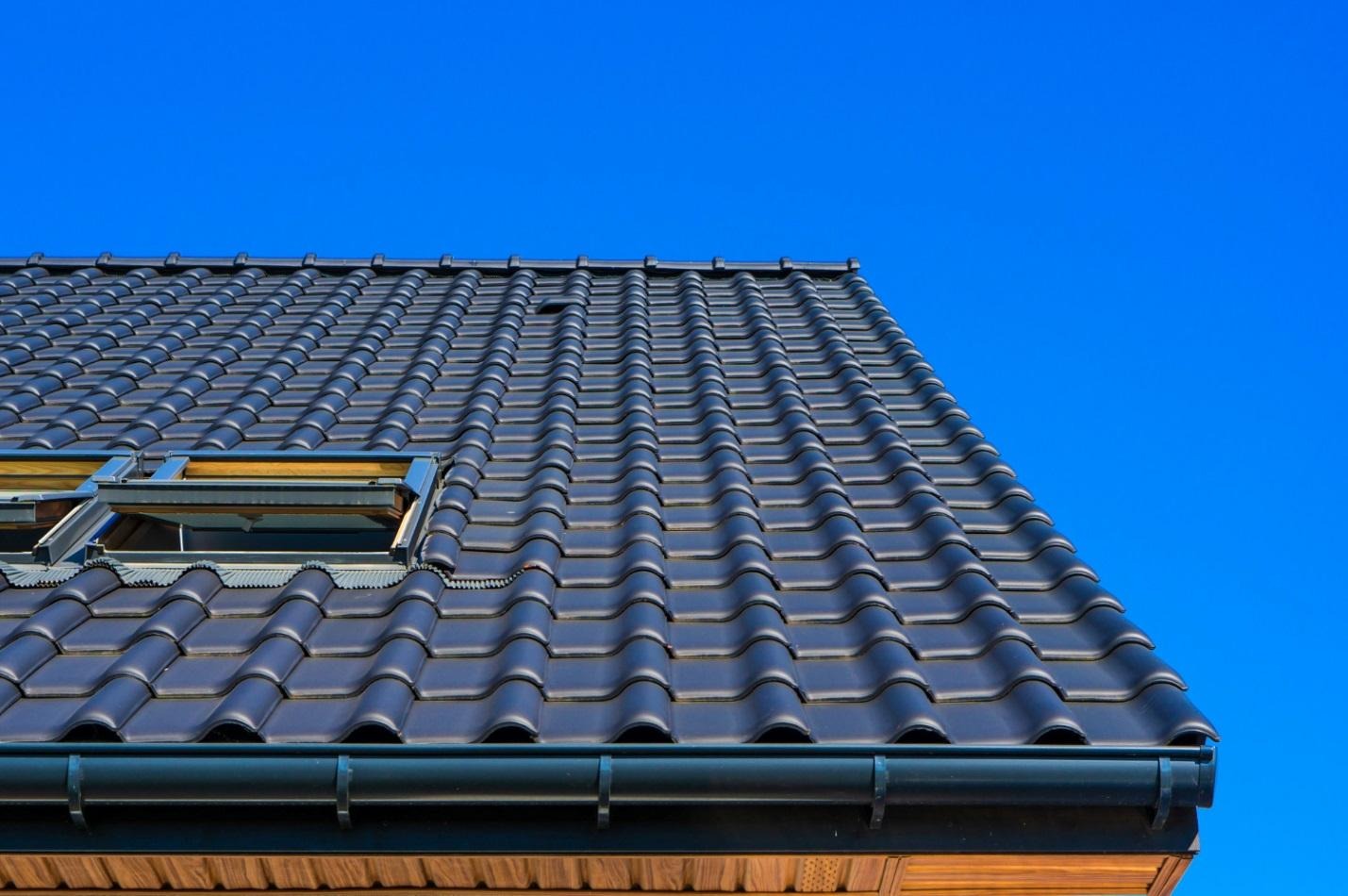
Roofs in Tupelo go through a lot more than most people realize. Long periods of hot weather, high humidity, unexpected thunderstorms, strong winds that seem to materialize out of nowhere – it all adds up. Nothing dramatic most days, just slow wear. And then one day there’s a stain on the ceiling or a leak during a storm, and suddenly the roof is the most important thing in the house.
The problem is that most of these issues didn’t occur yesterday. They were building quietly for months, sometimes years.
Here are the issues that tend to show up over and over again in local homes — plus what actually helps, not just temporary patchwork.
Wind Damage That Doesn’t Look Like Damage
Storm damage is expected to be visible – shingles all over the yard, a tree stuck through the roof, something dramatic. But a lot of wind damage is subtle. A shingle is raised slightly, the seal beneath it is compromised, and it never quite fits right again.
From the ground, everything looks okay.
Possible clues:
- Shingles that look slightly crooked
- Edges lifting just a little
- Uneven lines along the roof
- Random pieces of grit in gutters or on the ground
Water doesn’t need a big opening. A tiny gap is enough.
This is why many homeowners find themselves frantically searching for Roofers near me during the next storm, without realizing that the actual issue occurred weeks ago.
What helps: fixing or re-sealing shingles before water gets underneath them. Once the wood beneath begins to absorb water, it becomes a more difficult fix.
Sneaky Leaks Around Chimneys and Vents
Roof leaks don’t begin in the middle of a shingle roof. They prefer edges, joints, and anything that penetrates the roof.
Chimneys, vent pipes, skylights – all protected by flashing that will loosen or crack with time. This is due to temperature fluctuations alone, which can cause the flashing to expand and contract.
Signs are often indirect:
- Water stains that appear far from the roofline
- Musty smell in upper rooms
- Drips only during heavy rain
- Paint bubbling near ceilings
Water follows beams, so the damage may not be what it seems.
Commercial buildings experience the same problem on a larger scale, which is why property managers usually search for Commercial roofing companies near me before the stormy season is in full swing.
What helps: resealing or replacing flashing early. Ignoring it only invites rot, mold, and structural damage.
Gutters That Quietly Cause Chaos
Gutters might be the least appreciated part of the entire roofing system. When they do, however, everything else falls apart.
In a region where there are lots of trees, the debris builds up quickly. Leaves become sludge, sludge clogs water, and water goes wherever it shouldn’t.
Common results:
- Water backing under shingles
- Wood rot along the roof edge
- Streaking on siding
- Foundation erosion
- Basement moisture
Overflowing gutters can make it look like the roof itself is leaking everywhere.
After major downpours, drainage problems are one of the biggest reasons homeowners call Roofing companies Tupelo MS for emergency inspections.
What helps: thorough cleaning, not just pulling out visible leaves. Downspouts need to carry water well away from the house too.
Attic Issues Nobody Notices Until It’s Bad
The attic is out of sight, out of mind. Unfortunately, this is where most roof issues quietly begin to develop.
Things that sometimes show up:
- Damp insulation
- Moldy smell
- Dark spots on wood
- Rust on nails
- Heat accumulation that feels extreme
Moisture and heat are retained by poor ventilation, making the roof vulnerable from underneath. In a storm, the most problematic areas are the first to go.
What helps: improved ventilation and patching leaks as soon as possible. Once mold spreads, cleanup becomes expensive and unpleasant.
Aging Roofs That “Still Look Okay”
A roof doesn’t suddenly expire one day. It just gets less and less durable every year. Shingles get brittle, adhesives fail, and protective layers get stripped away.
Typical signs of aging include:
- Faded or patchy color
- Granules collecting in gutters
- Cracking or brittleness
- Recurring minor leaks
- Repairs that don’t seem to hold long
Older roofs might survive light weather just fine but struggle when storms hit hard.
Local professionals like Roofers Tupelo MS can usually tell quickly whether a roof still has useful life left or is basically hanging on.
Tree Trouble — More Than Just Falling Branches
Trees don’t have to crash through the roof to cause damage. Constant contact does plenty.
Branches scraping across shingles during wind gradually removes protective layers. Leaves pile up in valleys, holding moisture against the surface. Shade encourages moss growth.
Of course, during a storm, limbs can break and come crashing down hard enough to crack or puncture roofing material.
What helps: cutting back branches, especially those that are touching or looming directly above the roof.
Flat or Low Areas That Hold Water
Many homes have sections where water doesn’t run off quickly — garages, porches, additions. These areas collect debris and stay damp longer.
Warning signs:
- Puddles that linger after rain
- Soft spots underfoot (if safely accessible)
- Surface cracking
- Interior leaks after prolonged storms
Big commercial roofs have to contend with standing water on a regular basis, which is why facility managers often look for Commercial roofing near me to help with drainage before big weather systems hit.
Taking Too Long to Fix Small Problems
This may be the most serious issue of all. Not a specific defect — just delay.
Reasons people wait:
- The damage doesn’t seem urgent
- Repairs feel inconvenient
- Everything looks “good enough”
- No leaks yet
But roofs rarely fail suddenly without warning. There are almost always signs first.
By the time repairs can’t be postponed anymore, the cost and disruption are much higher.
Why Local Knowledge is Important
Roofs are not a one-size-fits-all kind of thing. Weather patterns, storms, humidity, and design all play a part in how quickly a roof will deteriorate and need to be replaced.
Companies that know the local conditions, such as B&A Roofing, know what Tupelo roofs are up against and how to solve those specific problems, rather than having the same solution for every roof in every town.
Final Thoughts
Leaky roofs don’t tend to shout loudly in the early stages. They creep in, keep quiet, and multiply until something finally forces attention – usually a storm or interior damage.
Most disasters can be prevented with regular inspections, simple maintenance, and taking care of small issues before they become big ones. It’s not about being perfect; it’s about paying attention.
Because when the rain is pouring down and the wind is knocking the house around, the last thing anyone wants to have to worry about is whether or not the roof above them is going to become part of the problem.
-

-

-
-

-

-