A straighter smile can improve comfort, confidence, and everyday function at any stage of life. Seniors who begin orthodontic care in Brookhaven usually have one important question before treatment starts. They want to know how long the process may take and what can influence the overall timeline.
The answer depends on each person’s dental needs rather than age alone. A professional orthodontist Brookhaven evaluates tooth alignment, bite position, and oral health before creating a personalized treatment plan with realistic expectations. This article explains the typical treatment timelines and the factors that can affect progress for seniors.
Table of Contents
What Treatment Time Looks Like for Different Orthodontic Needs
Treatment length varies according to the amount of tooth movement needed. Some smiles require only minor adjustments, while others need more detailed bite correction. A complete examination helps determine the most suitable timeline for each patient in Brookhaven.
Mild Alignment Concerns
Seniors with small gaps, slight crowding, or mildly crooked teeth may complete treatment within 6 to 12 months. These cases require less movement, which can allow steady progress through each stage. Regular appointments and good oral care help support the planned schedule.
Moderate Bite or Crowding Concerns
Noticeable crowding, spacing, or moderate bite concerns usually require 12 to 18 months of care. Each adjustment gradually moves the teeth into better alignment while protecting the surrounding tissues. Consistent follow-up visits help keep treatment progressing as expected.
Complex Orthodontic Conditions
Significant crowding, jaw alignment concerns, underbites, or other complex bite problems may require 18 to 36 months of treatment. These situations involve greater tooth movement and careful monitoring throughout each phase. A personalized treatment plan provides a realistic estimate based on individual needs.
Personal Factors That Can Affect Treatment Time
Several individual factors influence how quickly teeth move into their planned positions. An orthodontist considers each of these before creating a personalized treatment plan in Brookhaven.
- Bone Density: Adult jawbones are fully developed and denser than those of younger patients, so tooth movement may occur more gradually.
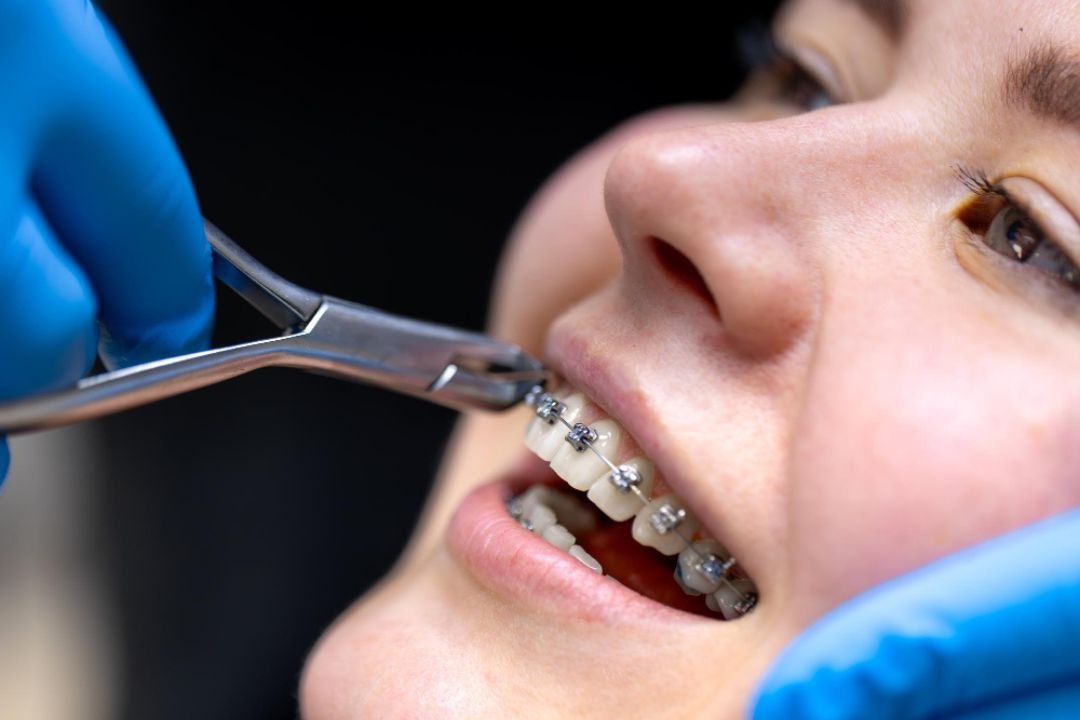
- Type of Orthodontic Appliance: Traditional braces can manage complex bite corrections, while clear aligners may suit selected mild to moderate alignment concerns based on professional evaluation.
- Gum and Bone Health: Healthy gums and supporting bone create a stable foundation for tooth movement. Existing periodontal concerns may require treatment before orthodontic care begins.
- Patient Cooperation: Keeping appointments and following professional instructions helps treatment progress as planned.
Oral Health Plays an Important Role Before Treatment in Brookhaven
Healthy teeth and gums allow orthodontic treatment to begin with greater confidence. Seniors may benefit from a complete dental examination before braces are placed because existing gum disease or bone loss can affect treatment planning. Addressing these concerns first helps create a healthier foundation for tooth movement. An experienced orthodontist in Brookhaven works closely with each patient to develop a treatment approach that supports both alignment and long-term oral health.
The Type of Orthodontic Appliance Matters
Different orthodontic appliances serve different treatment goals. Traditional braces provide excellent control for correcting complex bite problems and significant alignment concerns. Clear aligners may be recommended for selected mild or moderate cases when they match the patient’s needs and treatment objectives. The most appropriate option depends on the complexity of the case rather than personal preference alone. A professional evaluation in Brookhaven helps determine which appliance offers the best path toward the desired result.
Every senior follows a treatment plan based on individual dental needs and oral health. Simple cases may finish sooner, while complex corrections naturally require additional time for safe and predictable results. Choosing the right orthodontist helps ensure a personalized treatment plan, realistic expectations, and consistent guidance throughout each stage. A professional evaluation provides the clearest picture of the expected timeline and supports confident treatment decisions.
-

-

-

-
-

-