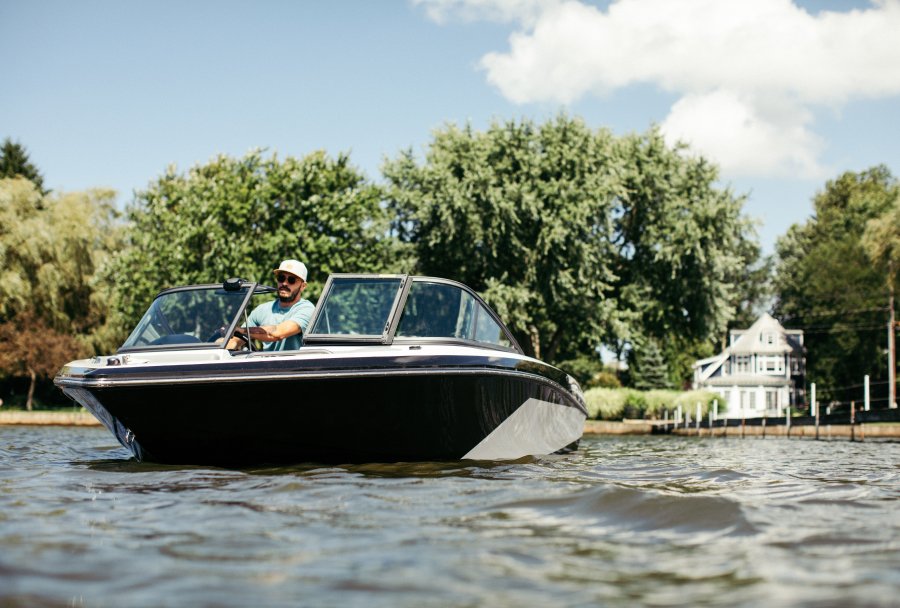
Renting a boat for the first time involves more decisions than most people expect. Beyond choosing a vessel and a location, renters quickly encounter questions about liability, damage coverage, and what happens if something goes wrong on the water. These questions are not hypothetical. Accidents on recreational waterways happen with regularity, and the financial consequences of even a minor incident can be significant without the right coverage in place.
For first-time renters in particular, the insurance piece is often misunderstood or skipped entirely. Some assume their existing auto or homeowners policy extends to watercraft. Others rely on whatever the rental company offers without fully understanding what that coverage includes or excludes. Either approach carries real risk, and the gap between what renters assume and what their coverage actually provides tends to surface only after something has already gone wrong.
This article walks through how boat insurance rental works in practice, what it typically covers, where it falls short, and what first-time renters should understand before they sign anything or push off from the dock.
Table of Contents
What Boat Insurance Rental Actually Covers
When people search for a Boat Insurance Rental overview, they are often trying to answer one basic question: am I protected if something goes wrong? The answer depends almost entirely on which type of coverage applies, who issued it, and under what circumstances the incident occurs. Boat insurance rental is not a single product with uniform terms — it is a category of coverage that varies considerably depending on the provider, the watercraft type, and the rental arrangement itself.
At its core, rental boat coverage typically addresses two distinct areas: physical damage to the vessel and liability for injuries or property damage to others. These two components are often sold together but function independently, and renters who focus only on one area often find they are exposed on the other.
Physical Damage Coverage
Physical damage coverage applies when the rented vessel is damaged during the rental period. This can include collisions with docks, submerged objects, or other watercraft, as well as grounding incidents and certain weather-related damage. What matters most here is understanding whether the coverage is based on the vessel’s actual cash value at the time of loss or its replacement cost. These two calculations can produce very different outcomes, particularly with older boats that have depreciated substantially in value.
Renters also need to be aware of deductibles. Many rental agreements include a damage waiver option that reduces or eliminates the renter’s out-of-pocket exposure in a damage event, but these waivers are not the same as insurance. They are contractual agreements, and the fine print often contains conditions that void the waiver in cases of negligence, alcohol involvement, or operation outside designated zones.
Liability Protection on the Water
Liability coverage is the component that protects the renter if they cause an accident that injures another person or damages another vessel or structure. On busy waterways, this exposure is real. A renter who misjudges speed in a no-wake zone and strikes another boat, or who creates a wake that injures a swimmer, can be held financially responsible for medical costs, repair bills, and legal fees that far exceed what most people anticipate.
Rental agreements from marina operators and boat rental companies often include some baseline liability protection, but coverage limits can be low. A coverage limit that seems adequate for minor incidents may be insufficient when medical expenses, lost wages, and property damage are calculated together in a serious accident. First-time renters should ask specifically about the liability limits included in any rental policy and consider whether supplemental coverage is appropriate for the activity planned.
How Personal Policies Do and Do Not Apply
One of the most persistent misconceptions among first-time renters is that existing personal insurance policies will cover a rented watercraft. This assumption is understandable but frequently incorrect. Homeowners and renters insurance policies may offer very limited personal liability coverage that extends to incidental watercraft use, but these policies are generally not designed for rented motorized vessels and often exclude them explicitly.
Auto insurance, which covers liability and physical damage for motor vehicles, does not extend to watercraft under any standard policy structure. There is no equivalent of the auto rental coverage some credit cards offer for boats, and relying on a credit card benefit as a substitute for real watercraft coverage is not a reliable strategy.
When an Existing Boat Policy May Help
If a renter already owns a boat and carries a personal watercraft policy on it, there is a chance that policy includes some protection for rented vessels. Some personal boat insurance policies contain a provision that extends coverage to boats rented or borrowed by the policyholder, provided the rented vessel is of a similar type and within comparable horsepower ranges. This is not universal, and the terms differ across insurers, but it is worth reviewing an existing policy carefully before assuming no coverage applies.
The key is to verify this before getting on the water, not after. Calling the insurer directly and asking specifically about rented watercraft coverage for a planned trip is a straightforward step that can prevent significant confusion later.
Standalone Rental Coverage as a Practical Option
For renters who do not own a boat and carry no existing watercraft policy, standalone short-term boat insurance products are available in the US market. These policies can be purchased for single-day or multi-day rental periods and are specifically structured around the risks associated with temporary use of a vessel. They typically include both liability and physical damage components and are underwritten with the understanding that the insured is an occasional, rather than regular, boater.
According to general guidance from the United States Coast Guard, recreational boating incidents frequently involve operator inexperience, which reinforces why first-time renters in particular benefit from ensuring adequate insurance coverage is in place before they operate any vessel.
What Rental Companies Typically Provide and Where It Ends
Most commercial boat rental operators carry their own liability insurance as a business requirement. This coverage protects the company from claims arising out of accidents involving their fleet, but it does not function as insurance for the renter. A renter who causes an accident may find that the rental company’s insurer pursues a claim against them personally, particularly if negligence contributed to the incident.
Rental companies may also offer damage waivers, loss of use fees, and fuel surcharges that affect the financial outcome of a damage event. Loss of use refers to revenue the rental company loses while a damaged vessel is being repaired. This cost is not always visible to renters upfront, but it can appear as a significant line item in the settlement of a damage claim if it is not excluded or capped in the rental agreement.
Reading the Rental Agreement Before Signing
Rental agreements in the boating industry are not standardized documents. They vary significantly between operators, and the insurance-related clauses are often buried in sections that renters skip during the signing process. The relevant terms to look for include the renter’s financial responsibility limit in a damage event, the conditions under which damage waivers are voided, what activities are excluded from coverage, and the geographic boundaries within which the vessel may be operated.
Operating outside a designated zone, taking the vessel into restricted waters, or allowing an unauthorized person to operate the boat are common conditions that void coverage entirely. First-time renters who are unfamiliar with local waterway regulations are particularly susceptible to inadvertently crossing these boundaries.
Practical Considerations Before Renting
Approaching a boat rental with the same diligence one would apply to any significant financial or safety decision produces better outcomes. The steps are not complicated, but they require deliberate attention before the rental day arrives.
• Review any existing homeowners, renters, or personal boat policies to determine whether watercraft rental coverage is included, and confirm the specifics in writing or by direct communication with the insurer.
• Ask the rental operator for a complete explanation of what their policy covers for renters, what the renter’s maximum financial exposure is under their damage waiver, and what conditions void that waiver.
• Consider purchasing a short-term standalone boat insurance rental policy if no existing coverage applies, particularly for rentals involving larger vessels, extended trips, or high-traffic waterways.
• Confirm the geographic limits of the rental agreement and review any applicable local regulations for the waterway before departure.
• Document the condition of the vessel thoroughly at the time of pickup, including photographs, to avoid disputes about pre-existing damage at the time of return.
Closing Thoughts
Boat insurance rental is not a complicated subject once the basic structure is understood, but it does require more active attention than most first-time renters anticipate. The coverage that applies to a given rental situation depends on multiple factors — the type of policy in place, the terms of the rental agreement, the activities involved, and the location of the rental. None of these align automatically, and the gaps between them represent real financial exposure.
The most consistent mistake first-time renters make is assuming coverage exists without verifying it. Whether the source is a personal policy, a rental company’s agreement, or a standalone short-term product, the terms matter and they are not interchangeable. Taking the time to confirm what is and is not covered before getting on the water is the most straightforward way to avoid the financial consequences of an incident that could otherwise have been manageable.
For anyone planning a rental in the near future, the conversation with an insurer or a review of available short-term boat insurance rental products is a reasonable use of time. The activity itself should be enjoyable, and having clear coverage in place is a significant part of what allows it to be.
-

-

-

-

-

-