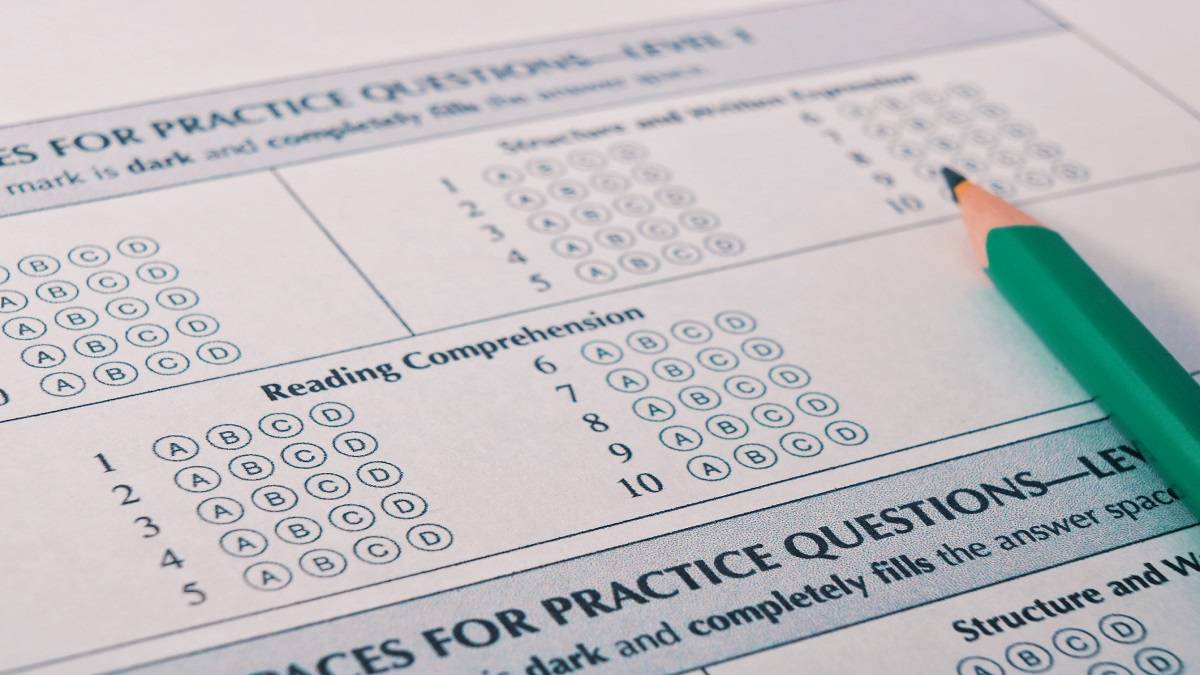
Preparing for the SBI PO and SBI Clerk exams in 2026 can feel challenging, especially with increasing competition and a vast syllabus. Many aspirants often struggle to find the right direction, which leads to confusion and wasted effort. However, both exams have a similar pattern and syllabus, making it possible to prepare for them together with a smart strategy. Instead of studying randomly, you need a structured plan that focuses on concept clarity, regular practice, and effective time management. Understanding the exam pattern, focusing on high-weightage topics, and practising mock tests consistently can make a significant difference in your preparation journey. In this article, we will guide you through the best strategy to crack the SBI PO and SBI Clerk exams in 2026, including subject-wise preparation tips, study plans, and proven techniques to improve your speed and accuracy.
Table of Contents
SBI PO vs SBI Clerk 2026 – Key Preparation Difference
Understanding the difference between SBI PO and SBI Clerk is important before starting your preparation.
- The main purpose of the SBI Clerk exam is to assess speed and accuracy, and the level is easy to moderate.
- Compared to the SBI Clerk, the SBI PO exam requires a deeper understanding of subjects, and the exam level is moderate to high.
Smart Study Plan to Crack SBI PO and Clerk Exams
Studying without a proper plan, follow the given structured plan to crack the exam.
- Follow a separate preparation strategy for both prelims and mains exams.
- Before practising, understand the concepts well.
- Spend time on each subject daily.
- To retain concepts, revise regularly
Section-Wise Strategy (Reasoning, Quant, English)
Following a section-wise strategy really helps you score high in these high-weightage sections.
Reasoning Ability
Regular practice with reasoning questions helps candidates recognise question patterns, enhance logical thinking, and increase problem-solving speed during exams. Focus on puzzles, seating arrangements, syllogism, and coding-decoding for the best results.
Quantitative Aptitude
Quantitative Aptitude is an essential component of banking and competitive exams, designed to evaluate candidates’ numerical reasoning, problem-solving abilities, and calculation speed and accuracy. The preliminary examination typically includes 30–35 questions, while the Mains Exam features 40–45 questions. Building a strong foundation in topics such as percentages, ratios, and simplification — along with consistent Data Interpretation practice — is key to improving speed. Excelling in this section can greatly boost your overall score, making it one of the most critical areas to master.
English Language
While many candidates build a solid foundation in areas like quantitative aptitude and reasoning, they often struggle to develop confidence in Banking English. This section plays a crucial role in shaping a candidate’s overall performance. Regularly practising reading comprehension, error detection, and vocabulary can significantly sharpen your language skills. Therefore, mastering English is vital to achieving a higher overall score.
Daily Routine to Prepare for SBI Exams
Following a daily routine can create a big impact on your preparation and, as a result.
- For Quantitative Aptitude, spend 2 hours daily
- For Reasoning, spend 2 hours daily
- For English, spend 1 hour daily
- For the mock test/practice, spend 1 hour daily
How to Prepare for SBI PO Mains Along with Prelims
Many of the candidates prepare only for the prelims exam because it is the first exam, but that is a big mistake.
- Starting mains preparation early helps you score well without confusion.
- Practice difficulty-level questions weekly to make your preparation better and easier.
- You should focus on accuracy + concept clarity.
Time Management Strategy for SBI Exams
Time management is a very important factor in SBI exams, and utilising it can boost your score significantly.
- Attempt easy questions first
- Skip time-consuming questions
- Maintain accuracy to avoid negative marking
- Practice mock tests with a timer
Most Important Topics for SBI PO & Clerk 2026
First, focus on high-scoring topics and give more priority to these topics:
- Reasoning: Puzzles, Seating Arrangement, etc.
- Quant: DI, Simplification, Arithmetic, etc.
- English: Reading Comprehension, Cloze Test, etc.
Common Mistakes That Stop You from Cracking SBI Exams
Avoiding these common mistakes helps you clear the SBI exams, and you’ll land your dream job.
- Studying without a proper plan
- Ignoring mock tests
- Not revising regularly
- Focusing only on strong areas
- Poor time management
Last 30 Days Strategy to Crack SBI Exams
The last month of the exam is crucial for your entire preparation, so use these 30 days to revise and clear the SBI exam.
- Revise all important topics
- Take daily mock tests without any reason
- Analyse mistakes carefully to perform better
- Focus on weak areas to score well
- Avoid learning new topics in the final month
Mock Test Strategy for SBI PO and Clerk
Mock tests are the anchor of your preparation, so take the test effectively:
- Take at least 3–4 mocks per week
- Analyse every test
- Identify weak areas
- Improve speed and accuracy
Final Thoughts
Cracking the SBI PO and SBI Clerk exams in 2026 is completely possible with the right mindset and strategy. Focus on consistency, practice regularly, and avoid unnecessary stress. Remember, success doesn’t come from studying more—it comes from studying smart and staying consistent.
FAQs – SBI PO & Clerk Strategy
Q. Can I prepare for SBI PO and SBI Clerk together?
Yes, both exams have a similar syllabus, so preparation can be done together.
Q. How many months are required for SBI preparation?
Around 3–6 months of consistent preparation is enough.
Q. Is SBI PO tougher than SBI Clerk?
Yes, SBI PO is slightly more difficult and competitive compared to SBI Clerk.
Q. What is the best strategy for SBI exams?
Follow a structured study plan, practice mock tests, and revise regularly.
Q. How to improve speed in SBI exams?
Practice daily, use shortcuts, and take timed mock tests.
-

-

-

-
-
-