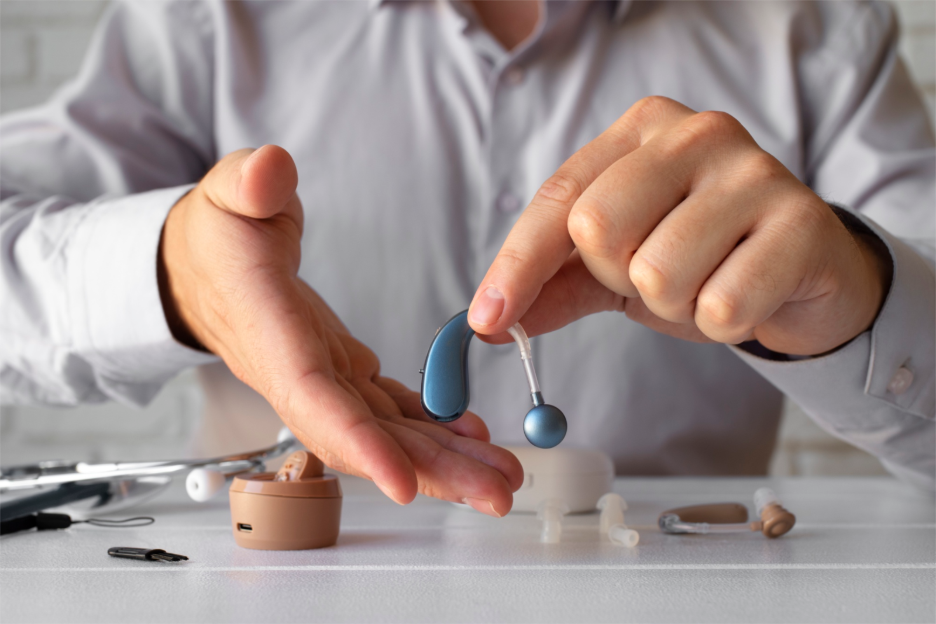
Are you constantly struggling to follow conversations and are tired of asking people to repeat themselves?
Hearing problems can cause you to miss critical details during important discussions. Instead of avoiding those important meetings or ignoring calls, consider getting the best hearing aids. High-quality hearing aids restore sound clarity by amplifying the decibels channelled to your ears. These devices can make you confident and comfortable during social interactions.
However, the hearing aid market has expanded significantly, offering a range of technologies, styles, and features. Modern options are smaller and more intelligent, fitting into your lifestyle. As a buyer, you can effortlessly find hearing aids that work for your specific needs.
Whatever your budget or needs, the following six ways will help you choose more comfortable and effective hearing aids.
1. Understand the Hearing Loss Level and Type

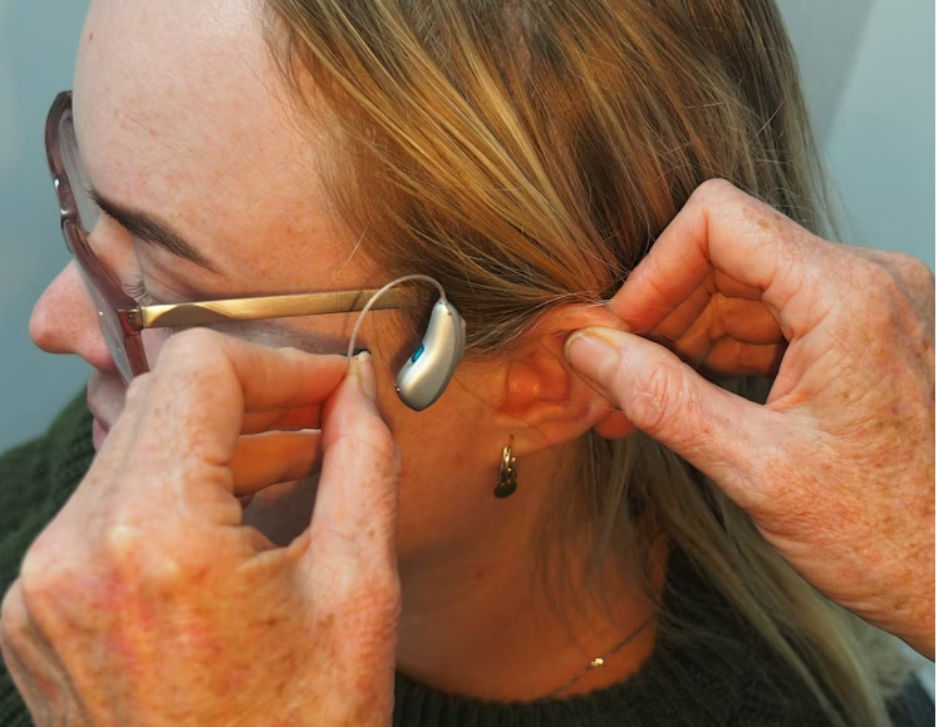
Several types and levels of hearing loss require diverse types of hearing aids.
Sensorineural hearing loss affects the auditory nerve or inner ear. Conductive hearing loss usually impacts the outer or middle ear. It is often an infection or earwax build-up that blocks these parts of the ear. Mixed hearing loss is a blend of these two losses.
As for the levels of hearing loss, they include mild, moderate, and severe. Mild hearing loss makes it difficult to hear soft sounds and conversations, while moderate loss makes it almost impossible to follow normal speech. As with severe hearing problems, you can barely hear loud sounds or speed.
Understanding each type is important to choosing the best corrective device. Leading industry providers of top-quality hearing aids can assess your condition and recommend advanced solutions. They prescribe brands with the latest AI assistant to guarantee 24/7 support to improve your hearing journey.
2. Type of Hearing Aid
Many hearing aids are available in diverse styles and designs. Behind-the-Ear(BTE) sits behind your ear and has a tube that connects to an earpiece. This hearing aid is the best for people with sensorineural hearing loss because it can amplify sound and process it clearly across frequencies. Receiver-in-Canal is another prevalent hearing aid with a smaller and more discreet design. The type is comfortable and lightweight. It is an effective device for sensorineural and conductive hearing loss. The devices transmit sound beyond the blockage, enabling the victim to hear it more clearly.
People with mixed hearing loss require more advanced In-the-Ear devices. These devices have custom molding that fits into the outer ear to balance power and visibility. Because of their effectiveness, the devices address volume and clarity issues.
As for hearing severity, you can manage mild hearing loss with small, discreet RIC or IIC devices. Severe and profound loss requires more powerful BTE models to guarantee better amplification and better sound processing.
3. Choose Advanced Technological Features
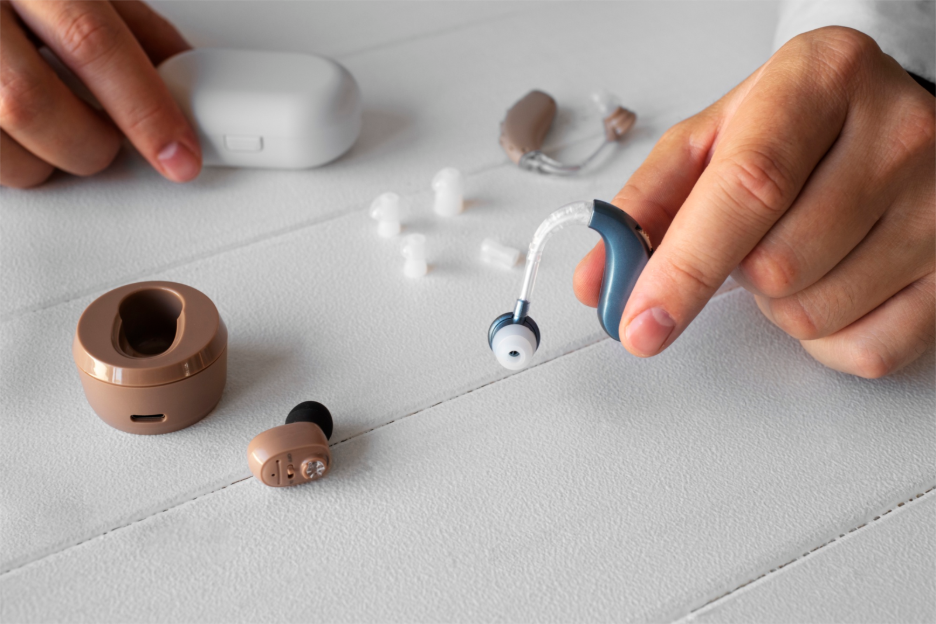
Many advanced hearing aids leverage state-of-the-art technologies. These features improve device performance and convenience. Bluetooth connectivity lets you link the hearing aid to a laptop, phone, or TV for efficient audio streaming. Mobile apps allow you to monitor usage, adjust volume, and switch modes from your smartphone.
Rechargeable batteries eliminate the need for frequent replacements. As for artificial intelligence, it makes the device adaptable to different environments, including noisy streets and quiet rooms.
4. Consider the Customization and Fitting
Do you know that your hearing aid has to fit snugly to deliver exceptional comfort and perform to the manufacturer’s expectations? Customization in a hearing aid improves the device’s fitting in your ear. It helps prevent issues with slipping out or ear pressure.
Many audiologists customize hearing aids to match the user’s specific needs. They can customize it to your ear size and shape, hearing loss level, and lifestyle needs. The goal is to give a well-fitted device to improve sound delivery and reduce feedback noise.
5. Lifestyle Needs and Preferences
Hearing aids should never make your life miserable. Instead, they should integrate into your current lifestyle to improve your experiences. Clients who frequent social gatherings, offices, and public spaces should get devices with directional microphones and noise reduction. Those who are frequently on calls or browsing social media should get devices with Bluetooth connectivity. Active personalities should consider devices with sweat-resistant and secure-fitting features.
The best hearing aid is one that meets your personal lifestyle and routine. Consider automatic hearing aids if you’re on a higher budget. If you are ever traveling or working long hours, get a device with a long battery life and a durable design.
6. Support and Aftercare Services

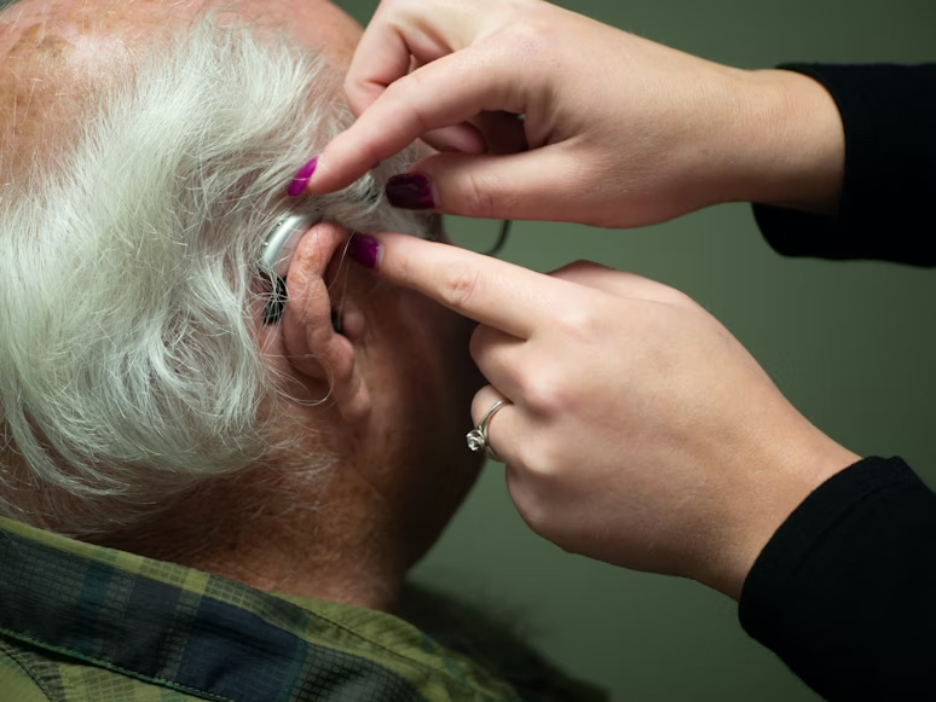
The hearing aid sale barely ends after the initial purchase agreement. Reliable companies offer quality support and aftercare services. Some audiologists offer follow-up appointments to fine-tune the device’s settings to match your evolving needs. Professional support, including performance checks, cleaning, and maintenance, can prevent issues. Remember, without reliable aftercare, high-quality hearing aids can become ineffective and uncomfortable.
Quality support services are integral to guarantee peace of mind. Best providers supplement their quality devices with user guidance, troubleshooting assistance, and software updates. They can effortlessly adjust the settings and add new features to improve your experiences.
Wrapping Up
When you decide to buy a hearing aid, ensure you get a comfortable and effective device. It should meet your hearing loss needs and lifestyle preferences. Buyers must choose the best style, ensuring the sound quality is impeccable. Also, ensure the device fits correctly while delivering optimal support.
Many advanced hearing aids are available today that suit diverse needs and budgets. You can seek professional guidance to avoid purchases.
-

-

-

-

-

-