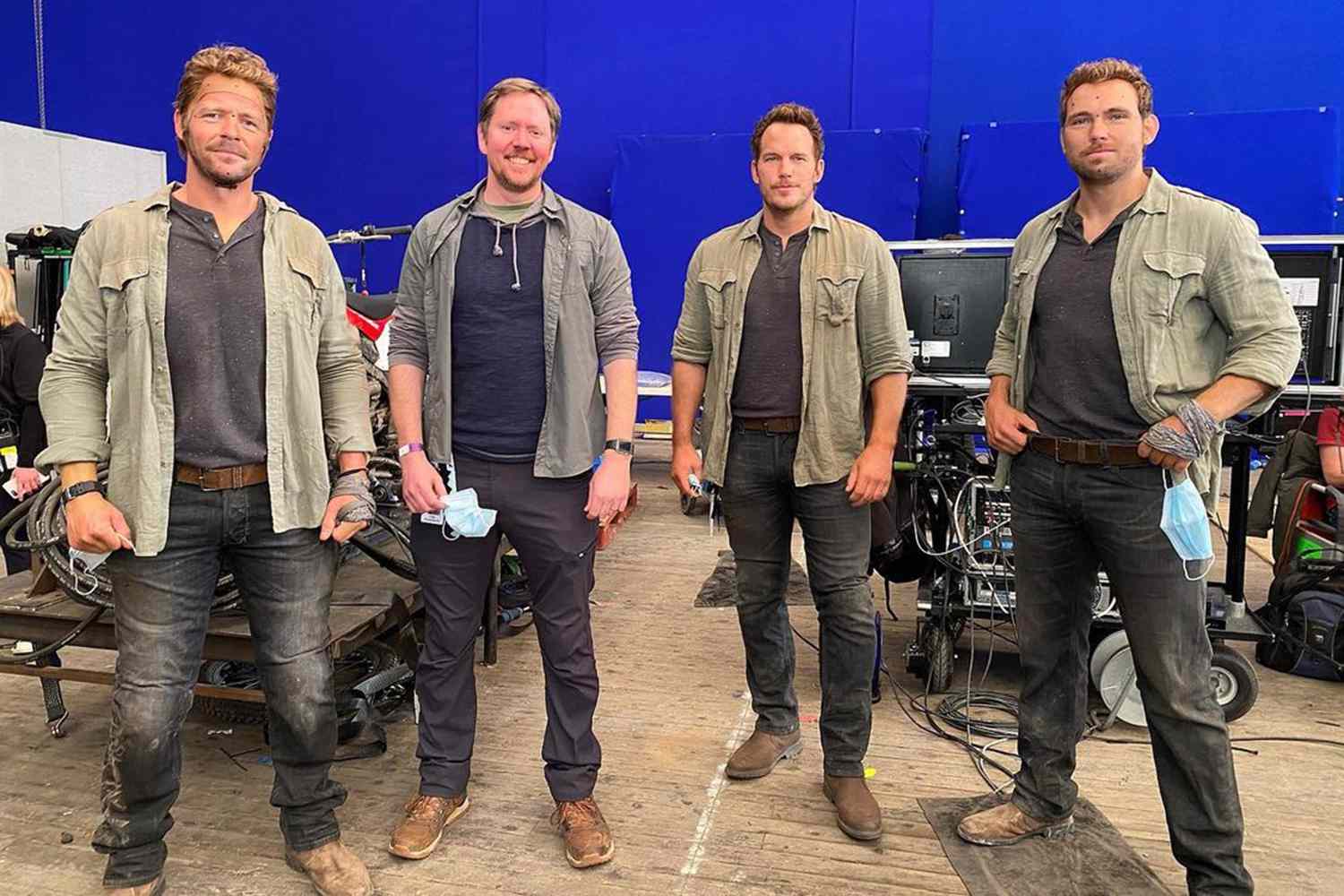
When people talk about addiction in entertainment, the camera almost always turns toward the famous face. The actor. The singer. The celebrity whose name trends before breakfast. Their public struggle becomes a headline, then a documentary, then maybe a comeback story.
But what about the person who took the fall?
Not metaphorically. Literally.
Stunt doubles crash through glass, roll across pavement, jump from platforms, get yanked by wires, and land hard so the star can look fearless. They do the dirty, dangerous, bruising work behind the action. Yet when the industry talks about substance use, pain, recovery, and mental health, stunt performers are often treated like background noise.
That silence matters.
Table of Contents
The Body Keeps the Score, Even When the Credits Roll
A stunt performer’s body is part of the job. It is the tool, the resume, and sometimes the paycheck. Every controlled fall still has impact. Every fight scene asks the body to sell pain while avoiding real damage. Every car hit, fire gag, and stair tumble comes with planning, training, and risk.
The audience sees ten seconds of action. The stunt team feels it for weeks.
That physical wear can create a dangerous pattern. Pain becomes normal. Ice packs become routine. Anti-inflammatory medication, pain pills, muscle relaxers, and sleep aids can slip into the rhythm of work. Not always in a dramatic way. Often, it starts quietly.
A performer gets hurt but doesn’t want to lose the next job. Someone keeps working through a shoulder injury because another double is waiting for the call. Someone says, “I’m fine,” because the production day is expensive and nobody wants to be the reason a scene gets pushed.
Honestly, that kind of pressure can mess with your head.
In many recovery conversations, people picture addiction as chaos. Missed calls. Broken contracts. Public scenes. But stunt performers can be highly disciplined and still struggle. They can train hard, show up early, nail the choreography, and still depend on substances to manage pain, sleep, anxiety, or fear.
That is what makes the issue so easy to miss.
“Tough It Out” Is Not a Treatment Plan
Stunt culture has always had a tough streak. It almost has to. This is work built around impact, risk, and trust. If someone freezes during a gag, another person can get hurt. If timing is off by half a second, the whole setup changes.
So yes, toughness matters.
But here’s the thing: toughness can become a trap. When a workplace praises grit more than recovery, people learn to hide what hurts. They keep injuries private. They downplay symptoms. They joke about pain because joking feels safer than admitting fear.
And fear is a real part of the job.
A stunt performer can fear being replaced. They can fear being labeled difficult. They can fear that one injury will end a career they spent years building. Unlike lead actors, many stunt performers don’t have the same public protection, bargaining power, or soft landing. Their work depends on reputation, physical ability, and being ready when the phone rings.
That creates a strange contradiction. Stunt doubles are hired because they can handle danger, but that same expectation makes it harder for them to say, “I need help.”
Some performers also work job to job. That freelance rhythm can make health care, rest, and long-term support harder to manage. A big film set can have medics, coordinators, and safety teams, but the wider career still involves uncertainty. One month is packed. The next is quiet. Bills don’t wait for the next production schedule.
In that gap, coping habits can grow roots.
The Pain Is Physical, But It Doesn’t Stay There
Addiction risk in stunt work is not only about physical pain. It is also about emotional strain.
Think about the nervous system for a second. A stunt performer spends hours preparing the body to do something most people are wired to avoid. Fall backward. Get hit. Catch fire. Crash. Fly through the air. Even when everything is rehearsed, the body still reads danger. Adrenaline floods in. Muscles brace. The brain stays alert.
Then the scene wraps.
What happens after that?
Some people decompress with training, food, friends, or sleep. Others reach for alcohol, pills, or other substances because their system won’t come down. It is not always about partying. Sometimes it is about shutting off the noise.
This is where the entertainment industry misses the mark. It often treats addiction as a celebrity scandal or a personal failure. But for many workers behind the scenes, substance use can be tied to workplace stress, pain management, and the constant demand to be available.
People looking at broader recovery systems, including a Massachusetts rehab center, often see the same theme: addiction rarely appears from nowhere. It grows around pain, pressure, isolation, and repeated coping that stops feeling optional.
For stunt performers, those pressures come wrapped in applause. The better they are at hiding risk, the more invisible their struggle becomes.
The Star Gets the Story. The Double Gets the Bruises.
Celebrity addiction stories usually follow a familiar script. A famous person disappears from public life. Rumors start. A statement comes out. Then, if things go well, there is a polished interview about healing and second chances.
Stunt doubles rarely get that version.
They are close to fame but not always protected by it. They work near red carpets, trailers, and major studios, yet many remain unknown to the audience. Their names appear in credits that most people skip. Their injuries can be serious, but their stories seldom drive the news cycle.
That invisibility affects addiction coverage too.
When the public thinks about substance use in Hollywood, it often imagines parties, fame, and too much access. That frame does not fully fit stunt performers. Their risk can come from a different place: pain, repetition, instability, and a body that has been asked to absorb too much.
There is also pride involved. Many stunt workers love the craft. They are not victims waiting for sympathy. They are athletes, artists, technicians, and problem-solvers. They study movement. They understand camera angles. They know how to make danger look real while keeping a set as safe as possible.
That skill deserves respect.
And respect means telling the whole story, not only the exciting parts.
When Mental Health Sits in the Back Seat
The mental health side of stunt work deserves more attention than it gets. Pain changes mood. Poor sleep changes judgment. Anxiety changes how people handle risk. A performer who feels trapped between injury and income can start making choices that look brave on the outside but feel desperate inside.
You know what? This is not unique to stunt work, but the stakes are sharper there.
A tired office worker sends a messy email. A tired stunt performer misjudges a landing.
That kind of pressure can create a loop. The body hurts, so sleep gets worse. Sleep gets worse, so stress rises. Stress rises, so the person uses something to calm down or push through. Then the next job comes, and the cycle repeats.
Mental health care can help break that loop, but access is not always simple. Some people worry about confidentiality. Others worry that admitting anxiety, depression, trauma, or substance use will make coordinators stop calling. In a field built on trust, image still matters.
That is why conversations around care need to include the whole entertainment workforce, not only the people on posters. Treatment and support spaces, including Laguna Beach mental health treatment, reflect a wider truth that applies here too: mental health and substance use often sit side by side, especially when stress and pain stay unspoken.
For stunt doubles, silence can look like professionalism. That is the scary part.
The Hidden Labor Behind “Action”
A good stunt scene looks effortless. That is the trick. The audience should not see the pads, marks, cables, rehearsals, or tiny safety choices that make the moment work. The stunt performer’s job is to disappear into the action.
But disappearing has a cost when it follows them off set.
The addiction conversation in entertainment needs more room for the people who make the industry move but do not always get the microphone. Stunt doubles face a mix of physical punishment, career pressure, pain management, and emotional strain that deserves serious attention. Not pity. Attention.
There is a difference.
Pity turns people into sad stories. Attention asks better questions. Who gets support after a hard stunt? Who checks in after injury? Who feels safe saying they are struggling? Who has to keep working because stopping feels more dangerous than the fall itself?
The public loves action because it looks impossible. A body hits the ground and gets back up. A person crashes, rolls, stands, and keeps moving. It is thrilling because it seems superhuman.
But stunt performers are human.
They ache. They worry. They heal slowly sometimes. They carry private stress into public spectacle. And when addiction coverage leaves them out, it misses one of the clearest examples of how substance use can grow from work that rewards pain tolerance and silence.
The next time a fight scene lands perfectly or a fall makes the whole theater gasp, it is worth remembering that someone trained for that moment. Someone trusted the team. Someone put their body between danger and the star.
That person belongs in the conversation too.
-

-

-

-
-

-