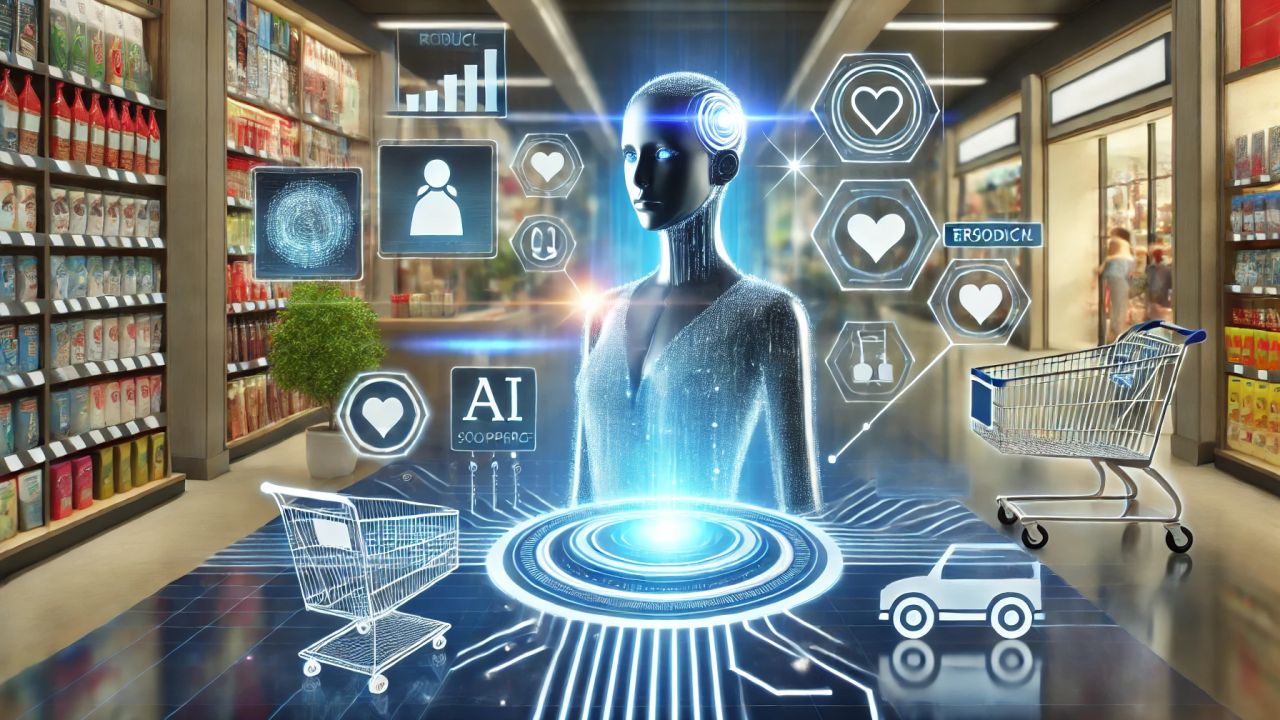
Personalized shopping has moved well past “recommended for you” blocks and basic segmentation. Retailers are now under pressure to create experiences that respond to shopper intent in real time, across search, product discovery, service, and follow-up. That is where AI Agents in Retail for Personalized Shopping Experiences have become a serious operating priority, not just a trend.
The opportunity is bigger than better recommendations. It is about helping customers find the right products faster, giving merchandising teams more control over relevance, and making each channel feel more connected.
In this guide, we’ll look at where AI agents matter most and what retail teams need to get right.
Table of Contents
Why Retail Personalization Is Entering the AI Agent Era
AI personalization is moving beyond static rules and delayed segmentation. Retailers now want systems that can interpret intent, respond instantly, and shape each shopping journey in the moment.
- From Segments to Intent: Traditional personalization groups shoppers by past behavior. AI agents respond to live signals, questions, context, and purchase intent as it forms.
- Real-Time Decisions: Retail teams need personalization that updates instantly, not after batch processing, delayed campaigns, or fixed recommendation rules.
- Conversation Becomes Commerce: Shoppers increasingly expect guided discovery, product comparison, and tailored suggestions inside natural interactions across channels.
- Broader Business Impact: Personalization now affects merchandising, service, conversion, retention, and basket growth, not just product recommendations.
- What This Shift Means: AI agents in retail personalization help retailers move from reactive targeting to active decision support.
This shift matters because personalization is becoming a live retail capability, not a static marketing feature.
Where AI Agents Can Improve the Shopping Experience First
AI agents create the most value when they reduce friction in high-intent shopping moments. The best starting points are journeys where faster decisions, better relevance, and smoother support can directly lift conversion.
- Product Discovery: Agents help shoppers narrow options faster using goals, budget, style, and use case instead of static filters alone.
- Comparison Support: They explain differences across products, reducing hesitation when customers are deciding between similar items.
- Basket Building: Agents can suggest compatible add-ons, bundles, and replenishment items based on real purchase context.
- Promotion Guidance: They surface relevant offers without pushing blanket discounts that hurt margin or train shoppers to wait.
With U.S. e-commerce sales reaching $1,233.7 billion in 2025, or 16.4% of total retail sales, these moments matter more than ever.
The New Personalization Stack Retailers Need Behind the Scenes
Behind every strong personalized shopping experience is a stack that can understand customer intent, connect retail data, and act in real time. Without that foundation, AI stays superficial.
- Structured Product Data
AI agents can only personalize well when product information is clear, consistent, and usable across channels.
- Clean catalog attributes: Titles, specs, use cases, compatibility, and merchandising tags need structure so agents can match products to shopper needs accurately.
- Context-rich product content: Agents perform better when product pages include benefit language, fit guidance, care details, and comparison signals, not just short descriptions.
- Unified Customer Context
Personalization improves when agents can read behavior, preference, and transaction signals together instead of treating every interaction as a fresh session.
- Cross-channel shopper history: Browsing, purchase, return, service, and loyalty activity should connect into one usable customer view across digital and store touchpoints.
- Preference memory: Agents need persistent signals like budget range, favorite categories, style patterns, and replenishment timing to make suggestions feel relevant over time.
- Real-Time Decision and Execution Layer
The stack must do more than generate answers. It needs to apply business rules, trigger actions, and stay aligned with commercial priorities.
- Decisioning with guardrails: Personalization should account for margin goals, promotion limits, inventory priorities, and brand rules before agents surface recommendations or offers.
- Connected retail systems: Agents need access to commerce, CRM, CDP, search, pricing, and service tools so they can personalize and complete useful actions.
This matters because shopper behavior is already shifting. In Adobe’s 2025 U.S. survey, 39% of consumers said they had used generative AI for online shopping. That raises the bar for AI agents in retail personalization, and it makes back-end readiness a revenue issue, not just a tech project.
How AI Agents Change the Role of Retail Merchandising
AI agents are pushing merchandising beyond assortment and placement decisions. Merchants now help shape how products are interpreted, recommended, ranked, and explained in live shopping moments.
- Merchandising Data Matters More: Product tags, attributes, use cases, and exclusions now directly affect how well agents match items to shopper intent.
- Ranking Gets More Dynamic: Agents can adjust product visibility based on context, not just fixed category rules or static bestseller logic.
- Storytelling Becomes Operational: Merchants need clearer product positioning because agents rely on that language to guide comparisons and recommendations.
- Margin and Inventory Stay Central: Merchandising teams still control what should be pushed, protected, bundled, or deprioritized based on commercial realities.
AI agents do not replace merchandising. They make merchandising inputs more visible, more immediate, and more influential across the customer journey.
What Good AI Agent Personalization Looks Like Across Channels
Strong personalization does not stop at the website. It carries customer context across every touchpoint, so the experience feels connected rather than fragmented.
- Website Guidance Feels Relevant: Agents help shoppers discover, compare, and decide using live context instead of generic recommendation blocks.
- Messaging Reflects Intent: SMS, chat, and app conversations should pick up from recent browsing, cart behavior, and service history.
- Service Supports Selling: Personalization should continue after purchase through order help, exchanges, care advice, and reorder prompts.
- Stores Gain Better Context: Associates can use agent-driven insights to serve shoppers based on preferences, purchase history, and product needs.
The goal is consistency. Good AI agent personalization makes every channel feel informed by the same customer understanding.
Where Retail Teams Still Need Human Control
AI agents can improve speed and relevance, but some retail decisions still need human judgment. Control matters most where brand risk, margin tradeoffs, and customer sensitivity are higher.
- High-Stakes Exceptions Need Review: Refund disputes, damaged orders, policy exceptions, and sensitive complaints still require people who can judge nuance and protect the relationship.
- Merchandising Priorities Stay Human: Teams should decide which products deserve visibility based on margin, inventory pressure, seasonality, and broader business goals.
- Promotional Boundaries Need Oversight: Humans must set discount guardrails to prevent agents from over-incentivizing shoppers or weakening the pricing strategy.
- Brand Voice Requires Judgment: Retail teams should monitor how agents explain products and handle objections so the experience stays on-brand.
Human control keeps personalization commercially sound. The strongest retail teams use AI for scale, but keep people in charge of judgment.
The KPIs That Matter More Than “Engagement”
Retail teams need proof that personalization is driving business outcomes, not just interactions. The most useful KPIs show whether AI agents improve shopping decisions and commercial performance.
- Conversion Rate Matters Most: Measure whether agent-assisted sessions lead to more completed purchases than standard shopping journeys.
- Basket Growth Shows Quality: Track average order value, attachment rate, and bundle performance to see if recommendations actually improve cart value.
- Time to Purchase Reveals Friction: Faster decision-making often signals that shoppers are getting clearer guidance and less confusion.
- Return Rate Tests Recommendation Fit: Lower returns can show that agents are matching shoppers with more suitable products.
- Repeat Purchase Proves Long-Term Value: Retention and reorder behavior show whether personalization is building trust, not just winning one sale.
Engagement can signal interest, but it does not prove impact. Retail leaders need KPIs tied to revenue, efficiency, and customer quality.
How Retail Leaders Should Prioritize AI Agents in 2026
In 2026, retail leaders should prioritize AI agents where they can improve shopping decisions, reduce friction, and support revenue quickly. McKinsey notes that AI agents are pushing commerce toward more delegated, intent-led shopping journeys.
- Start With High-Intent Journeys: Focus first on discovery, comparison, and service moments where better guidance can improve conversion and shorten the path to purchase.
- Fix Data Before Scaling: Product, inventory, pricing, and policy data need to be accurate before broader personalization can work reliably.
- Align Commercial Teams Early: Merchandising, ecommerce, CX, and data teams should share ownership so deployment reflects both customer and business priorities.
- Measure Revenue, Not Activity: Prioritize conversion, basket value, retention, and deflection instead of interaction volume or novelty metrics.
- Prepare for Agent-Led Commerce: Retailers need machine-readable catalogs and clearer decision logic as AI agents influence how shoppers find and choose products.
The retailers that move first on focused execution will be better positioned to scale personalized AI experiences through 2026.
Conclusion
AI is changing retail personalization from a marketing layer into a live shopping capability. The retailers that get ahead will be the ones that connect clean data, merchandising judgment, and real-time customer intent. AI Agents in Retail for Personalized Shopping Experiences is not about adding more automation for the sake of it. It is about making discovery easier, decisions faster, and experiences more relevant across every channel. The advantage will come from focused execution, not broad experimentation.
FAQs
- What are AI Agents in Retail for Personalized Shopping Experiences?
They are AI systems that help retailers tailor discovery, recommendations, support, and follow-up based on shopper intent, behavior, and context in real time.
- How do AI Agents in Retail for Personalized Shopping Experiences improve conversion?
They reduce friction during product discovery, comparison, and decision-making, which helps shoppers find relevant products faster and buy with more confidence.
- Do AI Agents in Retail for Personalized Shopping Experiences replace human retail teams?
No. They support scale and speed, but retail teams still need to manage merchandising priorities, exception handling, and brand-sensitive decisions.
- What data is needed for AI Agents in Retail for Personalized Shopping Experiences?
Retailers need clean product data, pricing, inventory visibility, customer behavior signals, and clear business rules for offers and recommendations.
- Which retailers benefit most from AI Agents in Retail for Personalized Shopping Experiences?
Retailers with large catalogs, multiple channels, and high customer choice complexity usually see the most value because personalization can directly affect conversion and basket size.
-

-

-

-

-

-