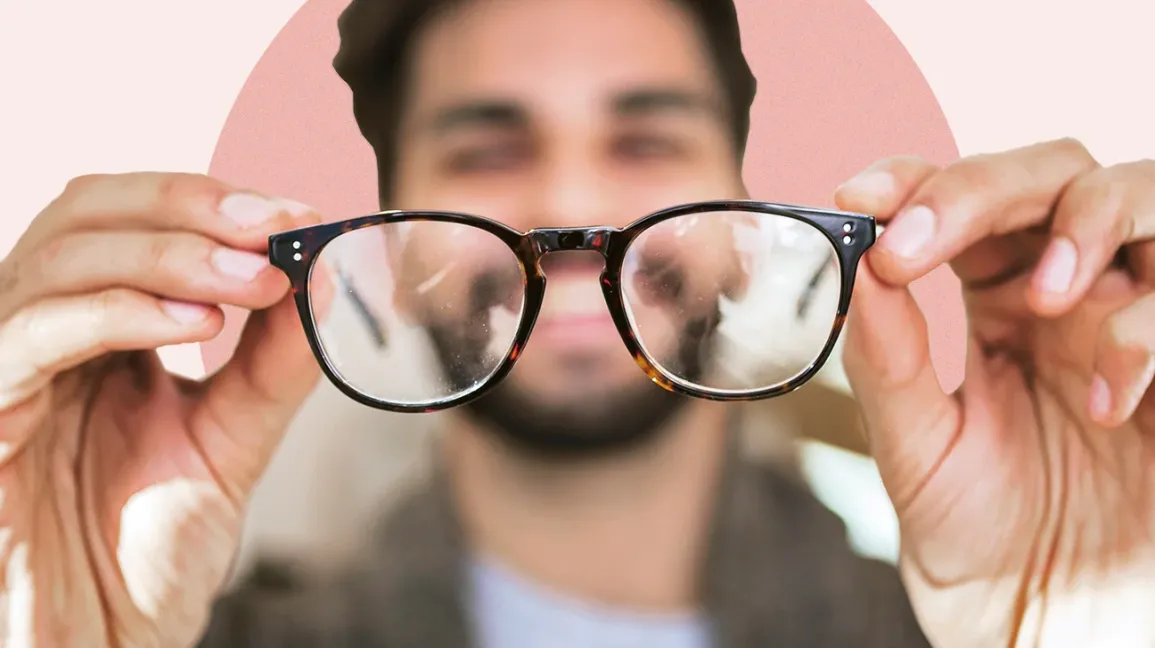
If you’ve ever walked into an optical store and felt your heart sink at the price tags, you’re not alone. For students and young adults already juggling tuition, rent, and daily expenses, spending hundreds of dollars on a single pair of glasses feels like an impossible ask. Yet clear vision isn’t optional—it’s essential for lectures, screen work, and everyday life. The good news? The landscape of eyewear has changed dramatically. Affordable prescription glasses now offer the perfect blend of style, quality, and function without demanding a painful sacrifice from your wallet. Whether you’re after trendy frames that express your personality or reliable lenses with full UV protection, budget-friendly options exist and they’re easier to find than you might think. In this guide, we’ll walk you through how to shop smart, debunk myths about inexpensive eyewear, and help you choose glasses that make you look and feel confident every single day. Let’s get started.
Table of Contents
The Evolution of Eyewear: Embracing Affordable Prescription Glasses
Not long ago, buying glasses meant visiting a brick-and-mortar optical shop, choosing from a limited selection, and paying markups that reflected expensive retail leases and middlemen. The industry operated on a model where a handful of manufacturers controlled production, distribution, and pricing—leaving consumers with few alternatives. That era is fading fast. The rise of direct-to-consumer brands and online retailers has fundamentally disrupted how we shop for eyewear. By cutting out intermediaries and operating primarily through digital storefronts, these companies pass significant savings directly to buyers. For budget-conscious students and young professionals, this shift means affordable prescription glasses are no longer a compromise—they’re a smart choice. One persistent misconception is that lower prices automatically signal inferior products. In reality, many online retailers source from the same factories that supply luxury brands, using identical materials like acetate frames and polycarbonate lenses. The difference lies in business model efficiency, not craftsmanship. Today’s consumers are empowered with transparency, comparison tools, and peer reviews that make it easier than ever to find glasses that deliver on both quality and affordability. The playing field has leveled, and your next perfect pair might cost a fraction of what you’d expect.
A Step-by-Step Guide to Buy Prescription Glasses Online
Ready to buy prescription glasses but unsure where to begin? Shopping online can feel overwhelming when you’re staring at thousands of frames across dozens of websites. The key is approaching the process methodically—matching your vision needs, personal style, and budget in a way that feels intentional rather than random. Many first-time online buyers worry about fit or quality, but with the right preparation, you can confidently select a pair that looks great and functions perfectly. The following steps break down the process into manageable actions, ensuring you don’t overspend or end up with frames that collect dust in a drawer.
Step 1: Get Your Prescription and Understand Frame Measurements
Before browsing any retailer, schedule an eye exam with a licensed optometrist or ophthalmologist. Your prescription should be current—typically less than two years old—and include details like sphere, cylinder, axis, and pupillary distance (PD). If your doctor doesn’t provide PD, you can measure it at home using a ruler and mirror or through apps designed for this purpose. Next, familiarize yourself with frame measurements, which are usually printed on the inside of your current glasses’ temple arm. Three numbers matter most: lens width (typically 45–58mm), bridge width (14–24mm), and temple length (120–150mm). These dimensions determine how comfortably frames sit on your face. A frame with a bridge too narrow will pinch your nose, while oversized lens widths can make your features appear disproportionate. Write these numbers down before you start shopping—they’re your blueprint for a perfect fit.
Step 2: Explore Styles and Filters Based on Your Budget
Once you have your prescription and measurements handy, head to reputable online retailers and put their filter tools to work. Start by setting a price range that aligns with your budget—most sites let you sort frames from lowest to highest cost immediately. From there, narrow results by frame shape (round, rectangular, cat-eye, aviator), material (acetate for bold colors, metal for minimalist looks, TR-90 for lightweight flexibility), and face shape compatibility. Don’t rush this stage. Save several options to a wishlist, then revisit them after a day to see which ones still appeal to you. Read customer reviews focusing on durability and true-to-photo accuracy. Many retailers also offer virtual try-on features using your phone camera, giving you a realistic preview of how frames complement your face before you commit to a purchase.
Uncovering Quality Eyewear Under $10: Myths and Realities
The idea of quality eyewear under $10 sounds too good to be true, and skepticism is understandable. Many people assume that single-digit price tags guarantee flimsy hinges, distorted lenses, or frames that snap within weeks. While caution is warranted, dismissing every ultra-affordable option overlooks a genuine segment of the market where real value exists. Retailers like EFE Glasses have demonstrated that streamlined operations and direct-to-consumer pricing can bring quality frames within reach of virtually any budget. The key is knowing what to look for and what to avoid.
Quality in eyewear boils down to three measurable factors: lens clarity, frame durability, and hinge construction. A well-made lens—even an inexpensive one—should provide distortion-free vision across its entire surface. Polycarbonate and CR-39 lenses at this price point can absolutely deliver sharp optics when manufactured to standard specifications. Frame durability depends largely on material choice; TR-90 nylon and spring-hinge metal frames hold up remarkably well under daily use, and both appear in budget collections. Hinges should feel firm without excessive resistance—loose screws or wobbly arms signal corners cut during assembly.
To separate genuine bargains from disposable junk, adopt a few practical habits. First, check return and warranty policies; retailers confident in their products typically offer at least a 30-day satisfaction guarantee. Second, read customer reviews with a critical eye—look for comments about longevity after several months of wear, not just initial impressions. Third, verify that lenses include anti-scratch coating at minimum. Some retailers bundle basic coatings into their lowest-tier pricing, adding tangible value without extra cost. Ultimately, sub-$10 glasses won’t rival premium titanium frames, but for students needing a reliable backup pair or anyone wanting variety without financial guilt, they represent a legitimate option when chosen carefully.
Expressing Yourself with Timeless Designs and Vibrant Color Options
Glasses sit on your face every waking hour, which means they communicate something about you before you even speak. Choosing timeless designs ensures your frames remain relevant season after season rather than feeling dated within months. Classic shapes—aviators, wayfarers, round Windsor styles, and rectangular silhouettes—have endured for decades because they harmonize with a wide range of facial structures and personal aesthetics. These aren’t boring choices; they’re versatile foundations that pair effortlessly with any outfit or occasion, from a job interview to a weekend brunch.
Color options add another dimension of self-expression without requiring you to abandon timeless structure. When selecting frame color, consider your skin’s undertone as a starting point. Warm undertones pair naturally with tortoiseshell, honey, gold, and olive hues, while cool undertones are complemented by black, silver, clear, and jewel-toned frames like deep blue or burgundy. Neutral undertones enjoy the widest flexibility. Beyond skin tone, think about your wardrobe’s dominant palette—frames that echo your most-worn colors create a cohesive look without effort. If your closet leans monochrome, a bold frame color can serve as your signature accent piece. The beauty of affordable eyewear is that you’re not locked into one choice. Owning two or three pairs in different colors lets you rotate based on mood, season, or setting, giving you creative freedom that once belonged only to those with unlimited budgets.
Beyond Style: The Critical Role of UV Protection in Eyewear
Looking good in your glasses matters, but protecting your eyes from ultraviolet radiation is a non-negotiable health priority that deserves equal attention. Prolonged UV exposure contributes to serious conditions including cataracts, macular degeneration, and photokeratitis—essentially a sunburn on the surface of your eye. What many people don’t realize is that UV damage accumulates silently over years, meaning the habits you establish now as a student or young adult directly impact your long-term vision health. Clear prescription lenses can and should block harmful rays just as effectively as tinted sunglasses.
Verifying UV protection is straightforward when you know what to look for. Reputable retailers clearly state whether their lenses block 100% of UVA and UVB rays, often listed in the product specifications or lens feature descriptions. If this information isn’t prominently displayed, contact customer service before purchasing—any company worth buying from will answer confidently. The encouraging reality is that UV-blocking coatings are inexpensive to manufacture, which means even the most affordable prescription glasses frequently include full UV protection as a standard feature rather than a premium add-on. When comparing options across retailers, prioritize those that bundle UV protection into their base lens package. This single feature costs you nothing extra in many cases yet delivers decades of cumulative eye health benefits. Style draws you to a frame, but UV protection is what makes wearing it a genuinely smart decision for your future self.
Your Path to Stylish, Budget-Friendly Eyewear Starts Now
Finding the right pair of glasses shouldn’t feel like choosing between your budget and your confidence. As we’ve explored, the eyewear industry’s shift toward direct-to-consumer models means affordable prescription glasses now deliver the same materials, craftsmanship, and style that once carried luxury price tags. Armed with your current prescription and frame measurements, you can navigate online retailers strategically—filtering by budget, shape, and material to land on frames that genuinely reflect who you are. Even ultra-affordable options under $10 can surprise you with solid lens clarity and durable construction when you know how to evaluate them. Timeless designs and thoughtful color choices ensure your glasses remain a confident style statement long after trends fade, while built-in UV protection safeguards your vision for years to come. The takeaway is simple: affordability, quality, and self-expression aren’t competing priorities—they coexist in today’s eyewear market. So take that first step. Update your prescription, explore your options, and invest in a pair (or two) that makes you feel unstoppable every time you put them on. Clear vision and personal style are yours to claim, starting today.
-

-

-

-

-

-